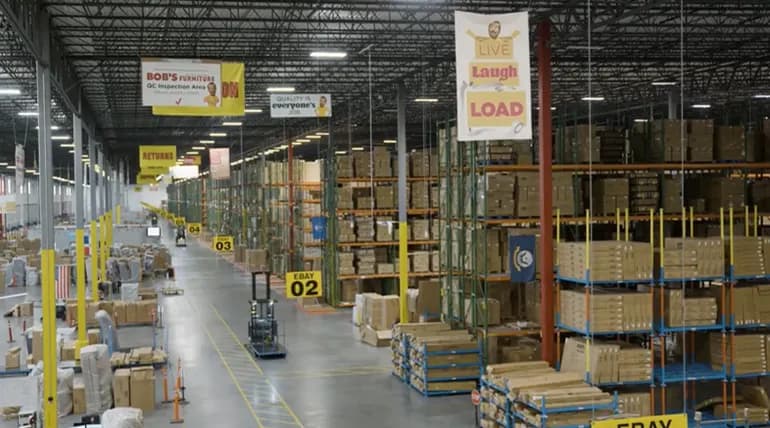
Target plans $2 billion store overhaul, raising stakes for Big Lots
Target is pouring $2 billion into stores, payroll and AI, a reminder that brick-and-mortar now has to work harder, not just look better.

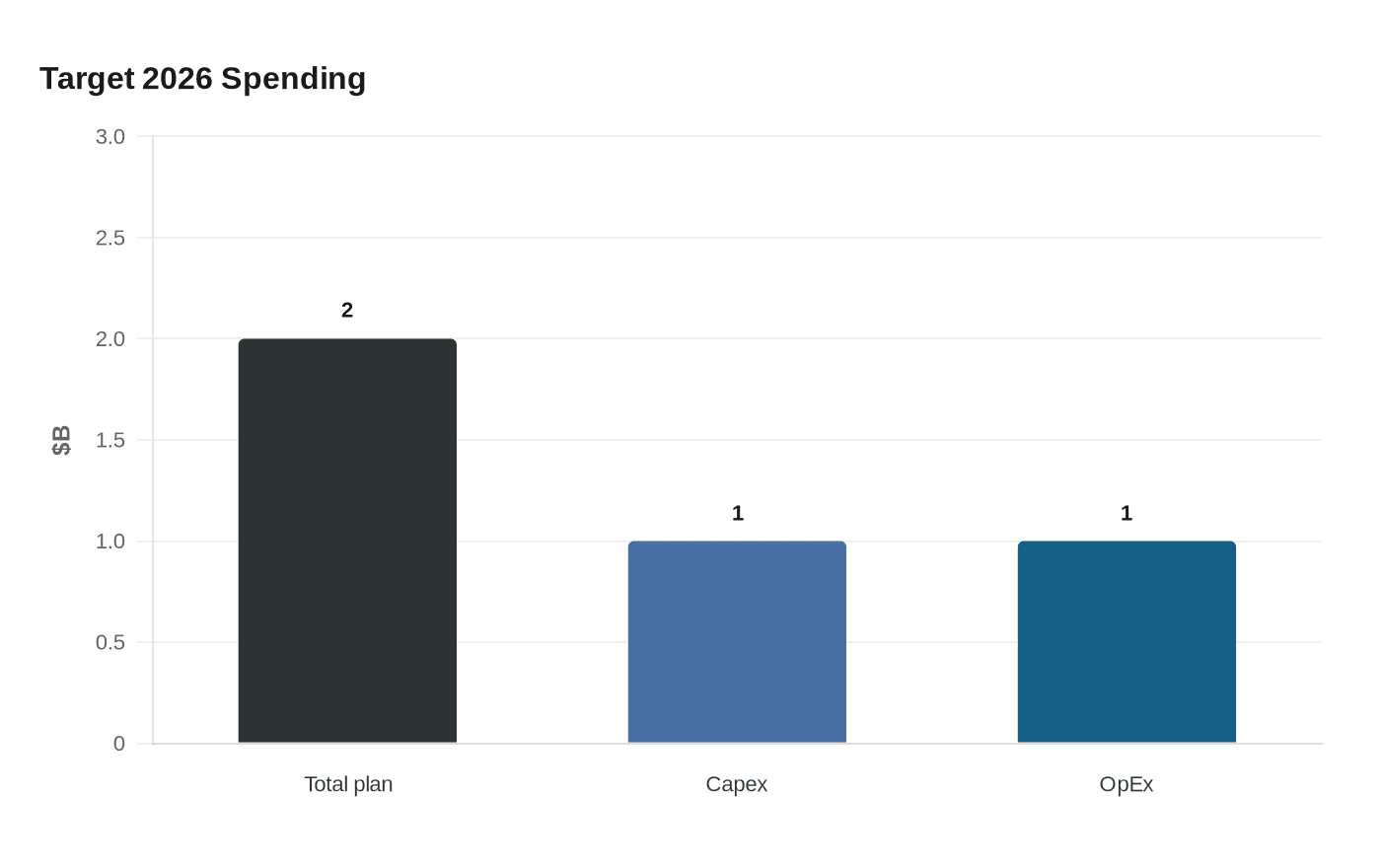
Target is betting that stores still win when they do more than sit pretty. The retailer said it would add an incremental $2 billion in 2026, including more than $1 billion in capital spending and $1 billion in operating investments, to transform floor plans and displays, increase payroll and training, and speed up technology including AI.
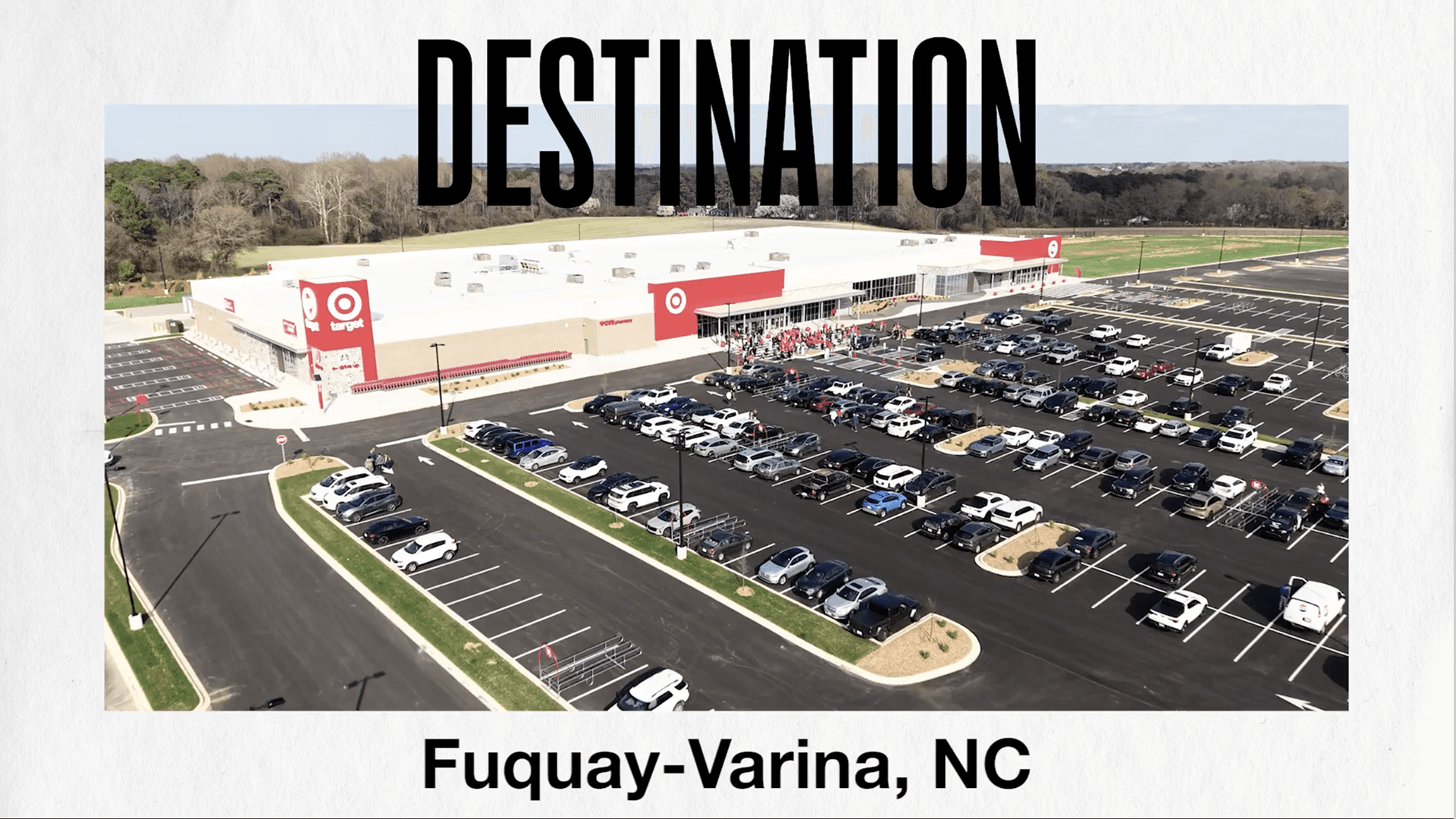
That money is not just going into paint and fixtures. Target’s 2026 store work includes updated layouts, expanded grocery sections in some locations and redesigned checkout areas meant to improve traffic flow and order pickup services. The chain said it would open more than 30 new stores in 2026, including its 2,000th U.S. store in Fuquay-Varina, North Carolina, and it has said it still wants to add more than 300 stores over 10 years. Trade coverage has described the effort as Target’s largest store transformation in a decade.
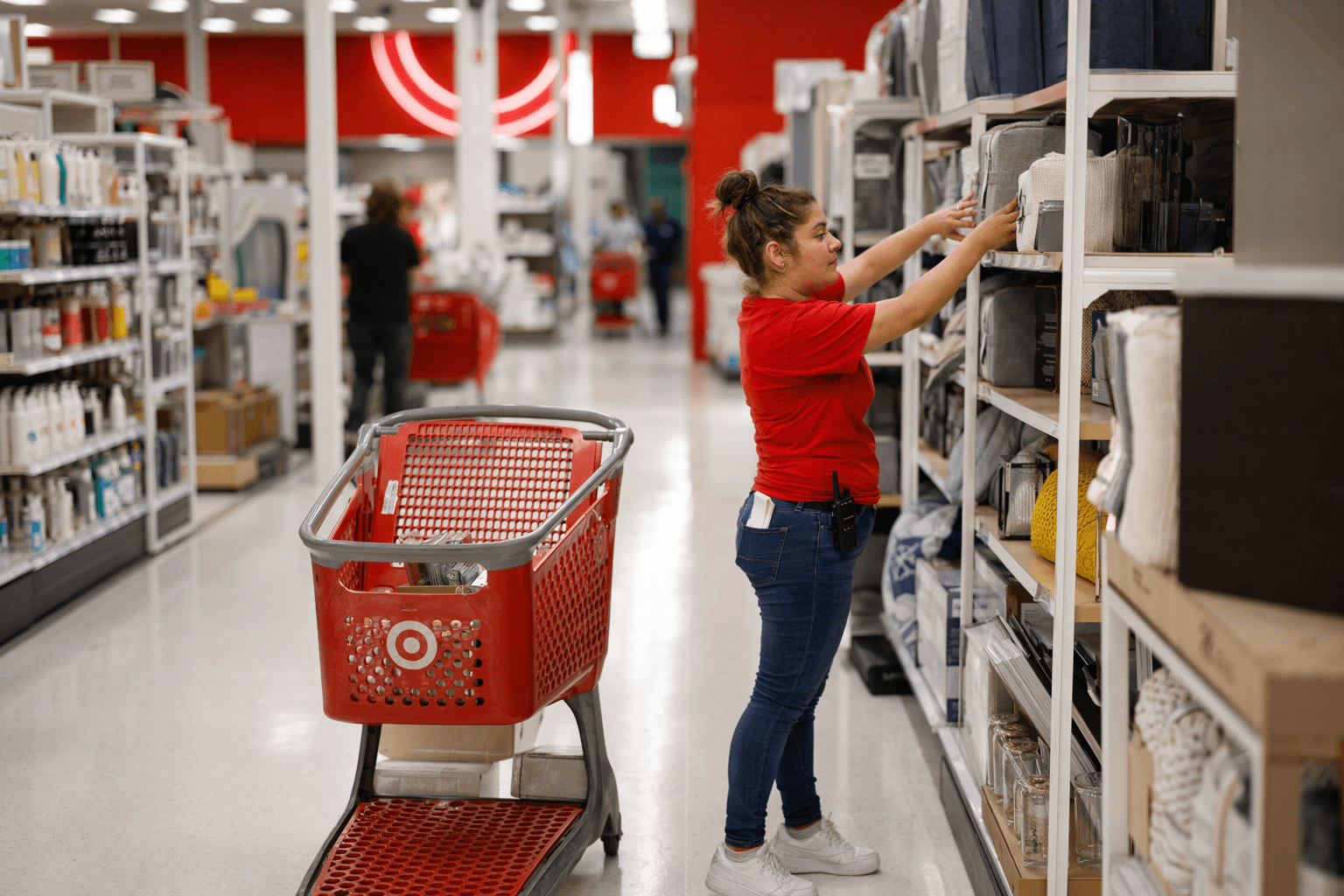
For Big Lots workers, the message is hard to miss: stores are being treated as operating systems, not just selling spaces. A retailer does not commit that kind of money to floor plans, payroll and training unless it believes the physical store has to carry more of the load, from assortment planning to fulfillment to customer traffic. That means the day-to-day pressure lands on the basics employees know well: whether the front end moves, whether high-demand items are where shoppers expect them, whether the store can handle pickup orders without slowing down the rest of the floor.
The contrast with Big Lots is stark. Big Lots filed for Chapter 11 bankruptcy on September 9, 2024, in the U.S. Bankruptcy Court for the District of Delaware and later entered a sale agreement with Nexus Capital Management LP. Court records listed liabilities in the range of $1 billion to $10 billion and between 5,001 and 10,000 creditors. A May 4, 2024 SEC filing said Big Lots operated 1,392 stores in 48 states.
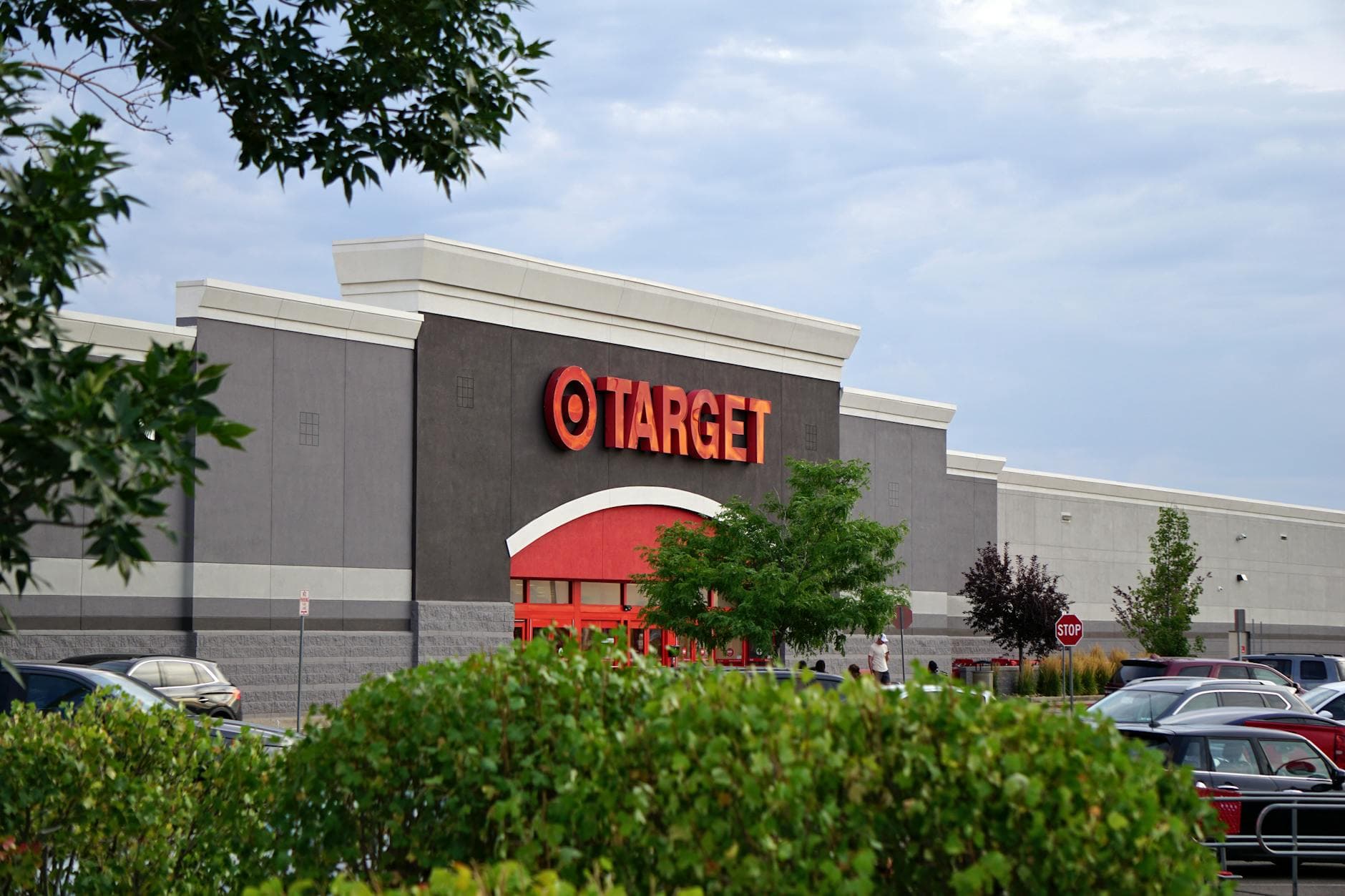
That history is why Target’s overhaul matters beyond one rival’s balance sheet. The strongest chain-store models are still built on physical locations, but only when the stores are refreshed enough to absorb traffic, support pickup, and keep labor focused on selling instead of fixing avoidable friction. Target is making that case with cash. For Big Lots, where every hour and every square foot matters more than ever, it is a sharp reminder that store strategy and store execution now live in the same lane.
Know something we missed? Have a correction or additional information?
Submit a Tip