UBS warns of 40,000 store closures, Big Lots workers should pay attention
UBS now sees more than 40,000 U.S. store closures in five years, a warning Big Lots workers know too well after the chain shrank from 1,392 stores to 219.
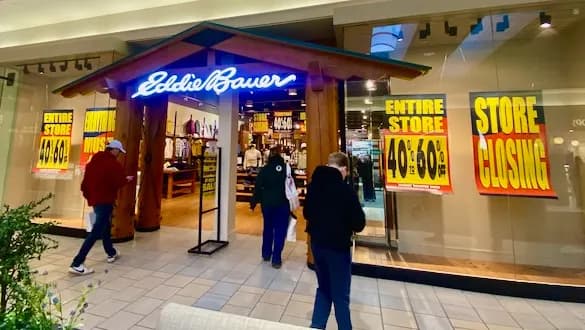
UBS’s latest retail outlook is a blunt reminder that the store base is still shrinking, and that is not just a Wall Street headline for Big Lots workers. The bank expects more than 40,000 U.S. store closures over the next five years, with department stores and specialty retailers most exposed while off-price chains are more likely to keep expanding.
That matters at Big Lots because the company has already lived through the kind of contraction UBS is describing. Former BL Stores, Inc., formerly Big Lots, Inc., filed voluntary Chapter 11 proceedings on Sept. 9, 2024, in the U.S. Bankruptcy Court for the District of Delaware after high interest rates and a sluggish housing market hit demand for low-priced furniture and home decor. At the time, Big Lots said it operated 1,392 stores in 48 states and an e-commerce platform. The company now says it was purchased out of bankruptcy in 2025 by Variety Wholesalers and will operate 219 stores in 15 states across the Midwest, Southeast and Mid-Atlantic.
UBS’s warning is not only about how many stores disappear. It is about which formats survive. The firm said e-commerce growth, aided by AI, plus tariff pressure and immigration-related policy pressure, continue to reshape retail. It also said speed, location, assortment, experience and price are the key differentiators now, and that consumers are putting more money toward experiences than goods. Large chains such as Walmart, Costco and Target are positioned to gain, while smaller independents are under more pressure.
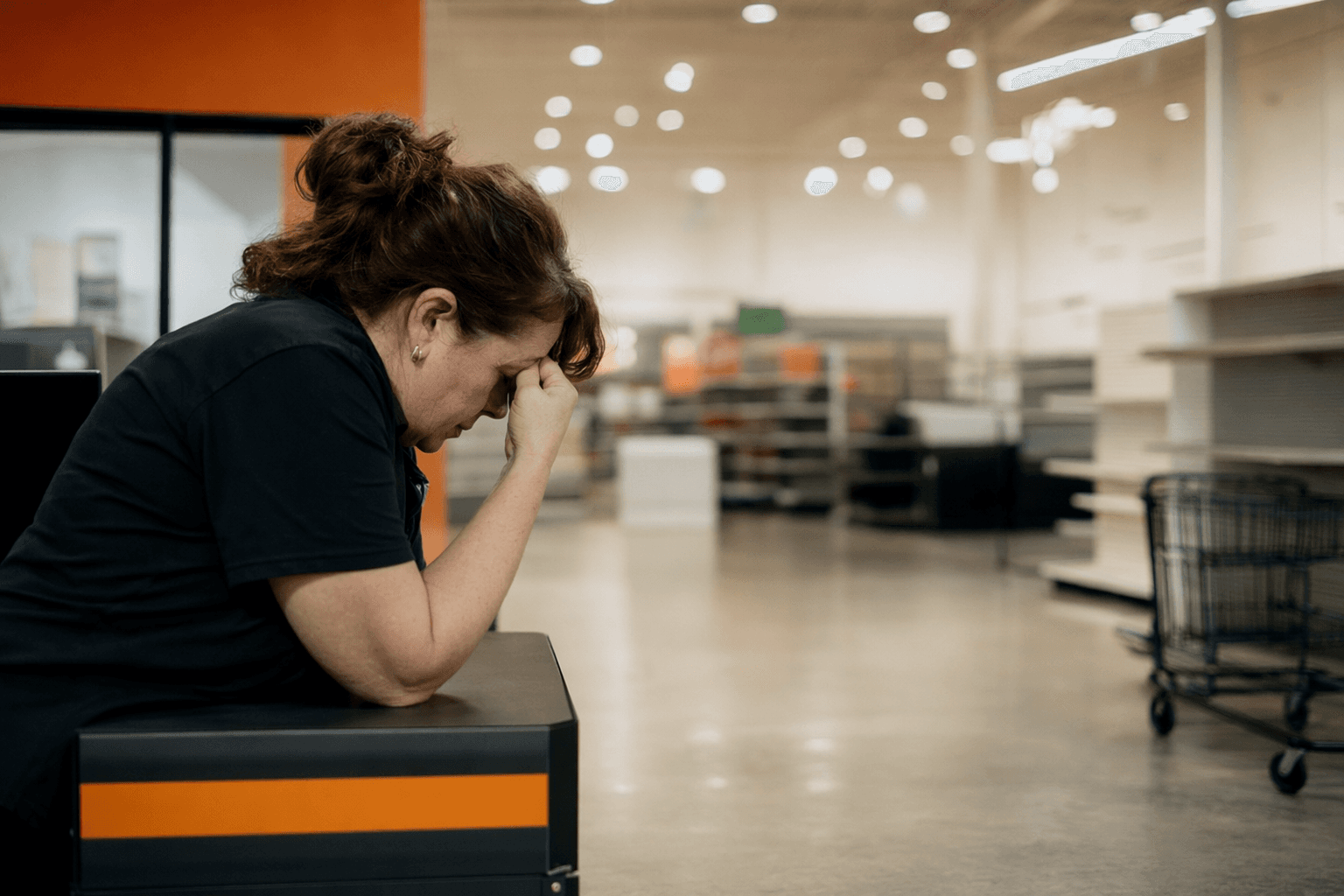
For Big Lots employees, that translates into a tougher, more selective market for labor and merchandising. Stores that can justify their rent with traffic and sharp pricing will get the most attention. Associates are likely to see more frequent changes in assortment, signage and floor set priorities as chains fight for every visit. Managers may be asked to run leaner schedules and keep inventory moving faster.

The most durable skills are also the most portable: reading local traffic patterns, explaining value to shoppers, keeping a store reset quickly, and understanding which products move in a given neighborhood. The most exposed work is tied to oversized footprints, slow-turn inventory and locations that no longer pull enough customers through the door. Gordon Brothers said its purchase helped preserve the Big Lots brand and keep hundreds of stores in operation, a sign that distressed retail assets are not simply vanishing, but being carved up and handed to operators who think a smaller chain can still work.
UBS had already warned in 2023 that as many as 80,000 U.S. retail stores could close over five years. The newer estimate is lower, but the message is the same: in a consolidating retail sector, workers who understand how to keep a smaller store productive will be the ones with the most value.
Know something we missed? Have a correction or additional information?
Submit a Tip