UPS profit rises, but lower U.S. volume may tighten retail logistics
UPS’s U.S. domestic revenue fell 2.3% even as revenue per piece rose 6.5%, a mix that can squeeze store replenishment and delivery timing.
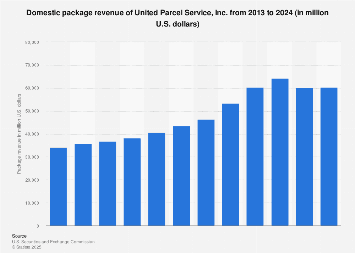
UPS turned in a stronger bottom line in the first quarter, but the details point to a freight market that may get less forgiving for retail stores that live and die by on-time replenishment. The company said on April 28 that first-quarter 2026 revenue reached $21.2 billion, operating profit was $1.27 billion and diluted earnings per share came in at $1.02. At the same time, U.S. domestic revenue declined 2.3% from a year earlier even as revenue per piece rose 6.5%.
For Big Lots, that combination matters more on the receiving dock than on a balance sheet. Lower parcel volume with higher revenue per piece usually signals a carrier pushing harder on pricing and network efficiency, and that can show up as tighter shipping costs, less flexible delivery windows and more pressure to plan around exact arrival times. When a store is waiting on seasonal goods, bulky home items or replenishment cartons, a small shift in carrier behavior can mean the difference between shelves being ready for customers and pallets sitting in the backroom.

Carol Tomé framed the quarter as a transition point, saying UPS executed major strategic actions and expects to return to consolidated revenue and operating profit growth in the second quarter. For stores and distribution teams, that kind of transition can make logistics harder to read in the short term. Carrier networks do not just move boxes; they set the pace for labor scheduling, dock appointments and the sequence of work that store managers have to line up before a truck arrives.
That is the operational ripple Big Lots workers know well. If a shipment lands late, or lands incomplete, the work does not disappear. It moves onto the store team, which has to adjust backroom labor, shift priorities on the sales floor and keep inventory counts aligned with what actually showed up. In a business built on close attention to cost and fast turnover, freight pricing and carrier strategy are no longer background issues. They shape how smoothly product reaches the floor and how much strain the store absorbs when it does not.
This article was produced by Prism’s automated news system from verified source data, official records, and press releases, then run through automated quality and moderation checks before publishing. The system is built and supervised by the people who set the standards it runs under. Read our full AI policy.
Did this article answer your question?