U.S., China discuss limited trade deal that may affect Big Lots costs
A limited U.S.-China tariff deal could steady Big Lots’ imported home goods, but only in pockets. Store teams may see fewer pricing shocks, not a full reset.

A narrower U.S.-China trade thaw could show up first in Big Lots stores, where imported home goods, seasonal items, toys and small appliances are often the first categories to feel tariff pressure, freight swings and sourcing delays.
U.S. and Chinese negotiators were discussing a managed-trade mechanism for non-sensitive goods worth about $30 billion in imports. The idea was first raised in March by U.S. Trade Representative Jamieson Greer as a possible summit deliverable for Donald Trump and Xi Jinping. But the plan would leave sensitive, national-security-linked sectors outside the deal, which means any relief for retailers would likely be selective rather than broad.
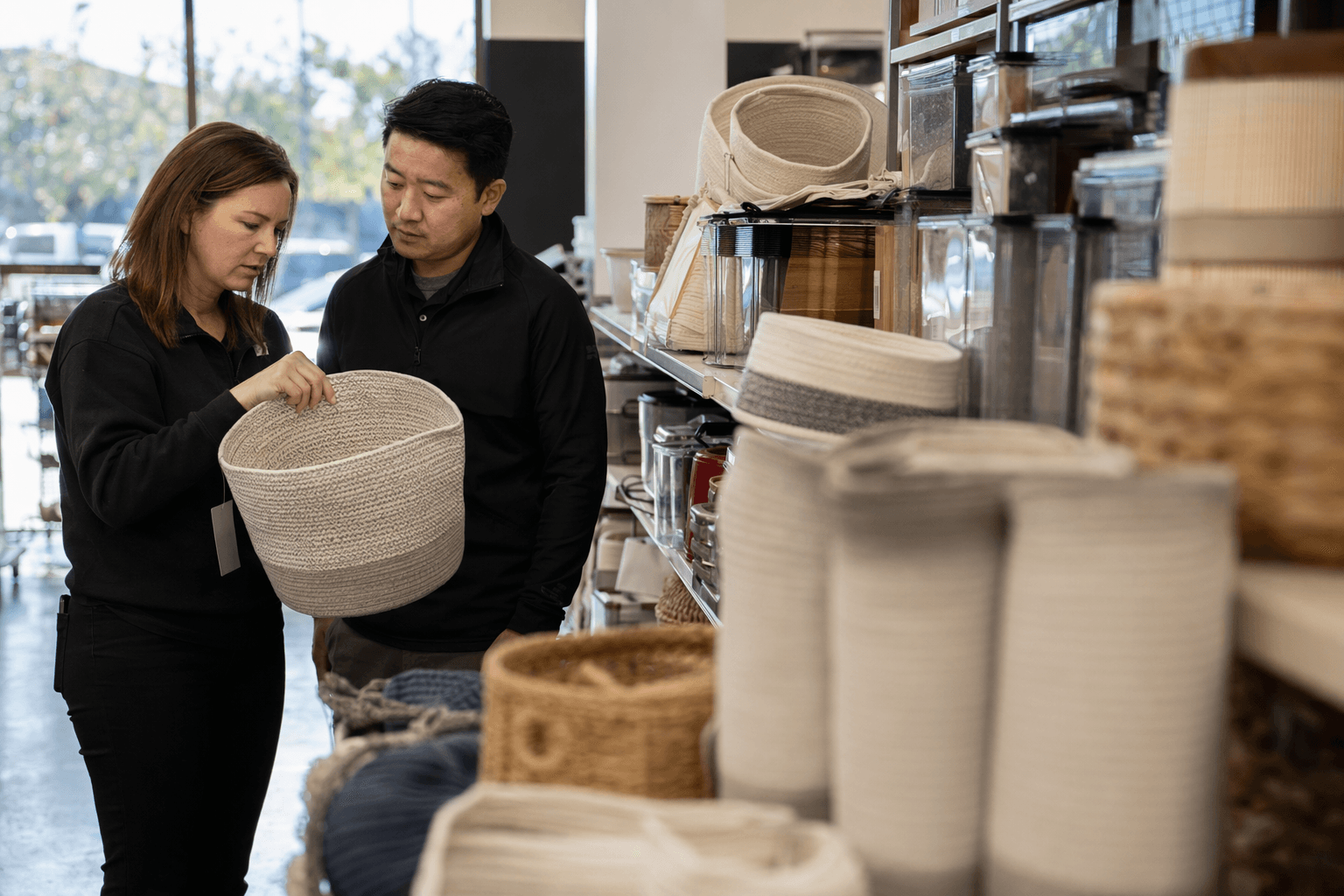
That distinction matters for Big Lots workers because the company’s own SEC filing says it relies on manufacturers in foreign countries, including China, for significant amounts of merchandise. Big Lots’ hard-home business includes small appliances, table top, food preparation, home maintenance, home organization, toys and electronics, all categories where import costs can move quickly from the dock to the sales floor.
Big Lots has already tried to widen its sourcing map. In 2024, the company opened Asia-based buying offices in Shanghai and Ho Chi Minh City to expand procurement across furniture, seasonal items and soft home goods. Big Lots said the move was designed to broaden sourcing and create significant operating cost savings beginning in fiscal 2024. For buyers and store leaders, that kind of setup can help keep deals flowing, but it does not erase inventory already purchased or freight costs locked into earlier orders.
The practical effect for associates is that promotions and assortment could become a little more predictable in some departments while staying tight in others. A better sourcing lane for one aisle does not mean the whole store suddenly gets relief. It can also mean more work for managers trying to explain why one category is loaded with value while another is thin or substituted.
Big Lots is also coming from a weaker financial position than many retailers. The company and its subsidiaries initiated voluntary Chapter 11 proceedings on September 9, 2024, in Delaware, with assets and liabilities each in the $1 billion to $10 billion range. It entered the process after citing inflation, high interest rates and sluggish consumer spending, and it agreed to a proposed sale to Nexus Capital Management. That makes any tariff relief more of a sourcing buffer than a turnaround.
Big Lots also relies heavily on imports from China and Vietnam, with about 90% of imports coming from Southeast Asia, according to supply chain reporting. In a business built on surprise value, even a limited tariff break could help store teams hold the line on pricing. It will not solve the bigger pressure on the chain, but it could make the selling floor a little less volatile.
This article was produced by Prism’s automated news system from verified source data, official records, and press releases, then run through automated quality and moderation checks before publishing. The system is built and supervised by the people who set the standards it runs under. Read our full AI policy.
Did this article answer your question?