Why Big Lots jobs require workers to know many product lines
Big Lots workers cover furniture, food, toys, and seasonal goods in the same shift, so every reset or closure changes the floor fast. The chain’s 219-store comeback shows why that broad skill set still matters.
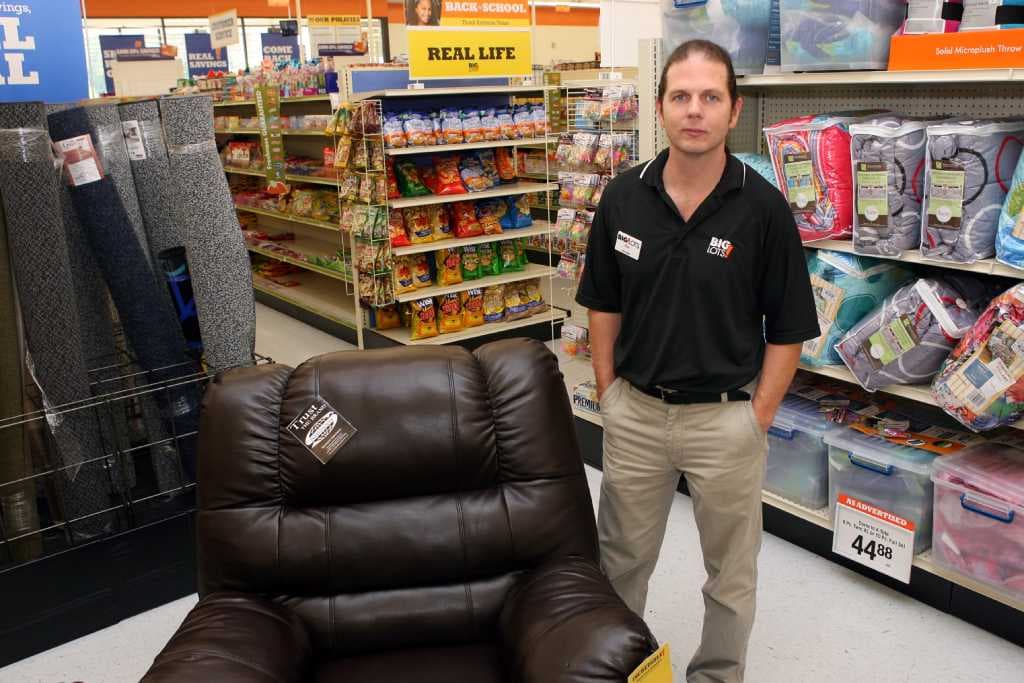
At Big Lots, one associate may help with furniture in the morning, paper goods after lunch, and toys or seasonal merchandise before closing. General merchandise stores sell a large variety of goods from one location and rely on display equipment and workers trained to explain many product lines. That mix is also what makes the job unstable when the chain stumbles, because the same broad floor that creates cross-training can disappear quickly when stores close or get reshaped.
Why Big Lots workers have to know so much
Big Lots sits inside the general merchandise part of retail trade, the final step in the distribution of merchandise, where retailers sell goods in small quantities to the public. The industry includes both store and nonstore retailers, but Big Lots fits the store-based side of that world: a single location can carry everyday consumables, housewares, toys, food, and seasonal goods under one roof.
That business model changes what a shift looks like. A Big Lots associate is not just watching one department; the work often means answering customer questions across several categories, helping reset aisles, and keeping displays coherent when the assortment changes. In practical terms, broad-category retail creates faster cross-training than a single-line store, which can make workers more adaptable and more useful to management when staffing is tight.
The bankruptcy turned store knowledge into a survival skill
The stakes around those jobs became clear when Big Lots filed for Chapter 11 bankruptcy in September 2024. The chain had about 963 U.S. stores at the time, and the company said on December 19, 2024, that it would close all remaining stores after a failed sale to Nexus Capital Management. For workers, that was not an abstract corporate event. It meant lost shifts, uncertain transfers, and a fast-moving scramble over whether stores, departments, and whole local career paths would still exist.
A later asset transfer reopened part of the chain under new ownership. Variety Wholesalers bought 219 Big Lots stores out of bankruptcy. Big Lots says the revived chain operates in 15 states, and its store locator lists 219 locations. The reopening began in April 2025 and rolled out in phases through the spring, with stores returning across the Midwest, Southeast, and Mid-Atlantic.
Store closures at a chain like this do more than cut one payroll. They erase training ladders in local markets, push experienced workers back into the job hunt, and can leave a city with one fewer place to learn general merchandise retail from the ground up. When a store returns under new ownership, it can restore some of those openings, but it also resets expectations about hours, staffing, and what product lines matter most.
What the labor numbers say about the sector
The broader labor picture helps explain why Big Lots is a useful barometer for this corner of retail. The Bureau of Labor Statistics tracks retail trade jobs, openings, turnover, and occupational employment change, and March 2025 showed how uneven the sector can be. Retail trade as a whole added 24,000 jobs that month, while general merchandise retailers lost 5,000.

It shows that even when retail is hiring overall, the kind of store Big Lots represents can still be under pressure. For workers, that means the category they know best may be shrinking even as other retail employers keep adding staff. For local labor markets, it means one chain’s closure can hit a neighborhood’s mix of available hours, weekend shifts, and entry-level openings even when national retail numbers look healthy.
How merchandising shifts change the daily job
Big Lots has long leaned on closeout and value retailing, which makes the merchandise mix more important than it might be at a single-category chain. Its assortment is built around everyday consumables, housewares, toys, and seasonal goods. Under Variety Wholesalers, the revived stores have also added family apparel and electronics, widening the set of questions workers have to answer and the speed at which they have to learn new product lines.
That kind of shift changes the floor:
- Associates have to move quickly between categories, because customer traffic can swing from furniture to food to holiday goods in the same hour.
- Managers need flexible teams who can reset aisles and keep displays readable when the assortment changes.
- Workers who can speak confidently about multiple lines become more valuable when staffing is thin or when a store is remerchandised.
The filing came as high interest rates and a sluggish housing market hurt demand for low-priced furniture and decor. A Big Lots associate is often working at the intersection of household budgets, mortgage rates, and whatever the store is trying to push that week. When furniture slows, the rest of the floor often has to absorb the traffic.
This article was produced by Prism’s automated news system from verified source data, official records, and press releases, then run through automated quality and moderation checks before publishing. The system is built and supervised by the people who set the standards it runs under. Read our full AI policy.
Know something we missed? Have a correction or additional information?
Submit a Tip