CDC finds handwashing gaps at restaurants, a warning for Chipotle crews
CDC data show handwashing still breaks down on busy restaurant lines, a risk that maps directly to Chipotle’s fast, high-touch assembly model.
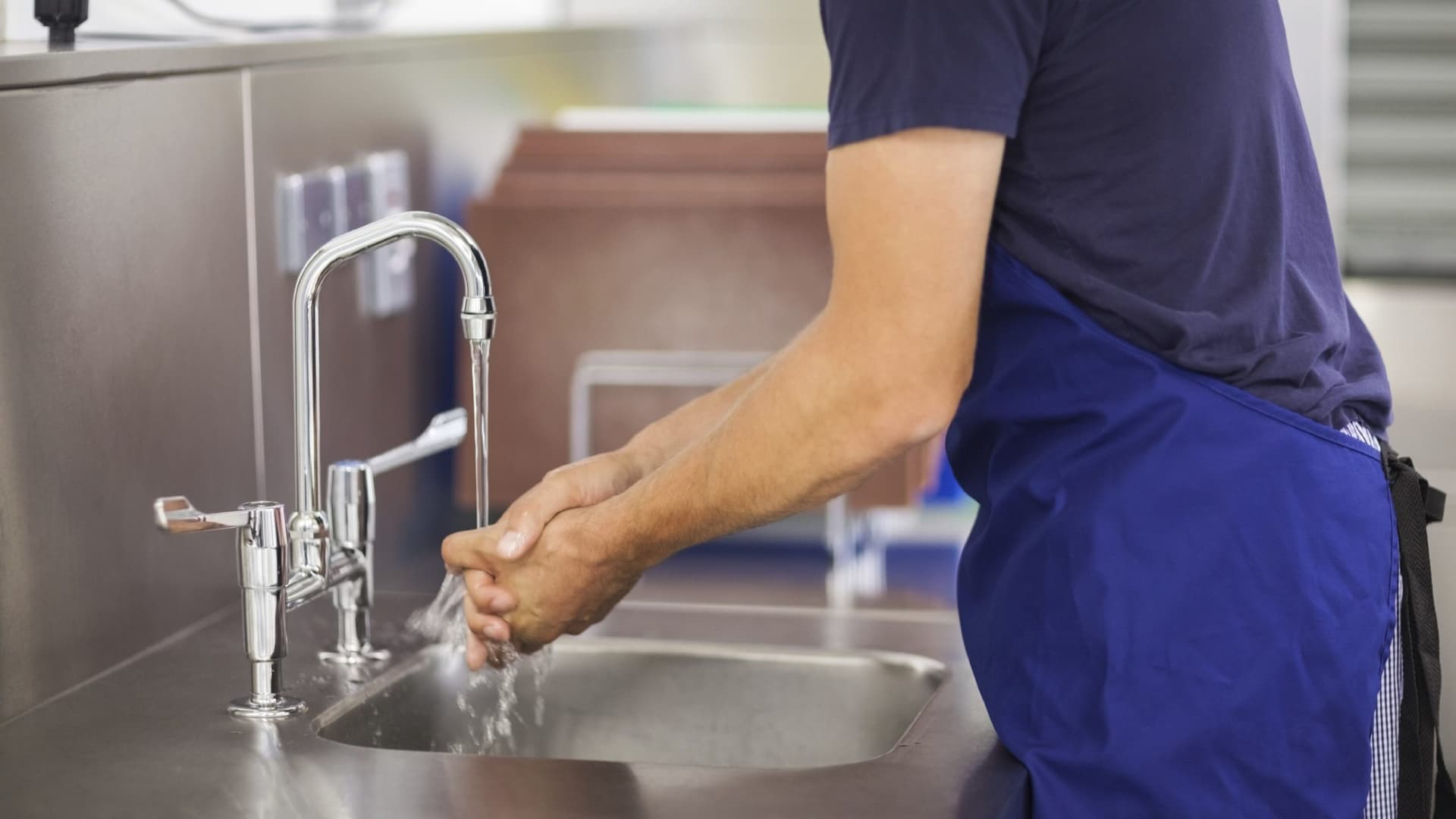
Handwashing is one of the simplest restaurant habits, but the Centers for Disease Control and Prevention says it still falls apart when lines get busy. The agency found that germs spread from workers’ hands to food in a common cause of restaurant outbreaks, and that this route was involved in nine out of 10 outbreaks where food was contaminated by workers. In observations of restaurant staff, workers washed when they should have only about one-third of the time.
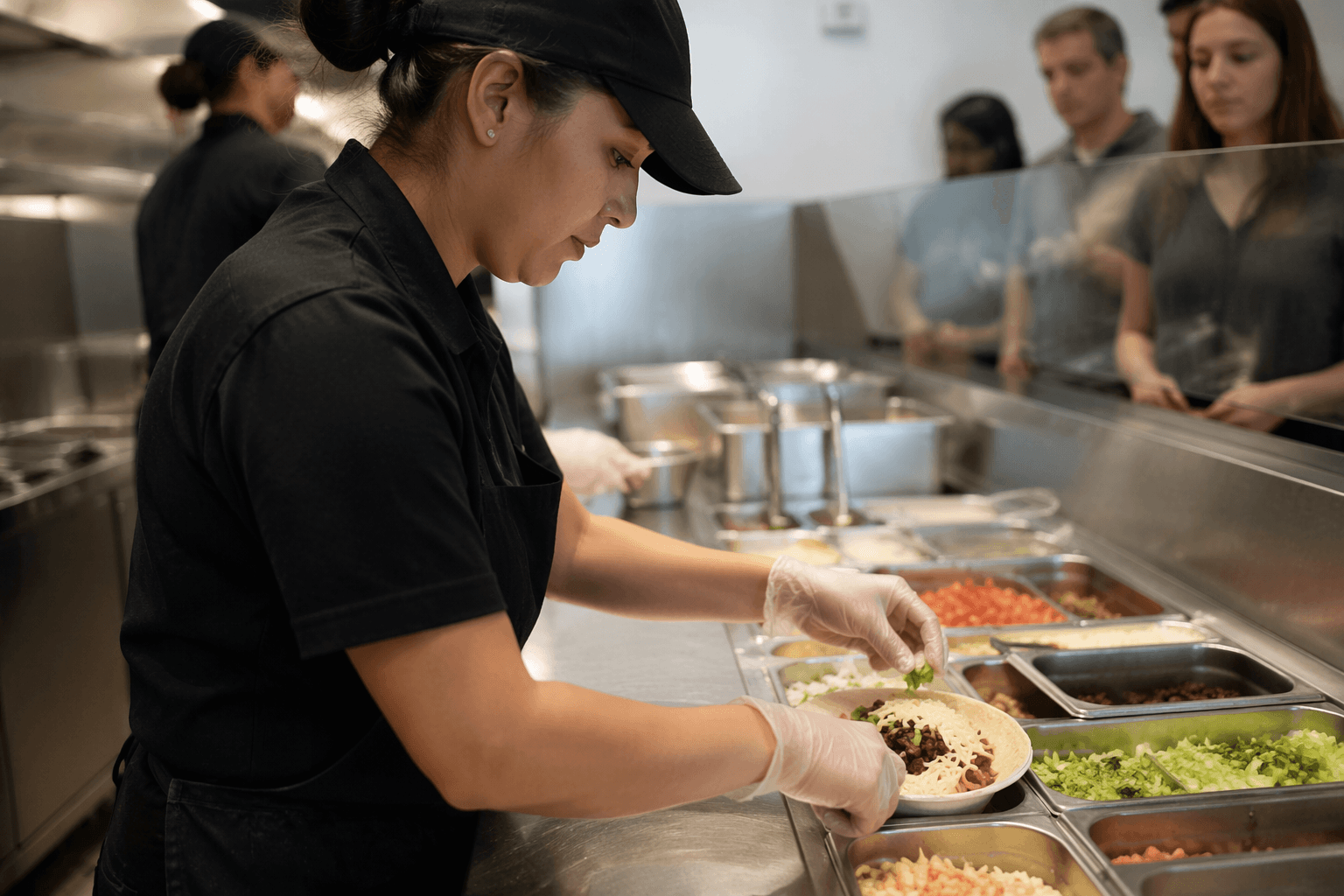
That gap matters at Chipotle Mexican Grill, where crew members handle ready-to-eat ingredients, multiple utensils, and constant guest-facing service in the same rush. The CDC says restaurant managers should train workers on handwashing, especially younger workers, and remove barriers that make compliance harder, including blocked sinks, time pressure, and weak training. It also found that visible sinks and fewer obstacles improved handwashing, which turns basic hygiene into an operations issue, not just a personal reminder.
The public-health stakes are larger than one chain. The CDC says more than half of all foodborne illness outbreaks in the United States are tied to restaurants, delis, banquet facilities, schools, and similar institutions. In 2017, the agency logged 841 foodborne illness outbreaks in the United States, and in retail food establishment data reported through the CDC National Environmental Assessment Reporting System from 2017 through 2019, norovirus accounted for 47.0% of outbreaks with a confirmed or suspected agent, while Salmonella accounted for 18.6%.
Chipotle has spent years trying to convince workers and regulators that food safety is now built into the company’s culture. The company says its Food Safety team manages food safety in restaurants and supply chain, while its Food Safety Advisory Council and Board of Directors oversee policies and practices. That effort followed the 2015 outbreak crisis, which led to a 2020 settlement with the U.S. Department of Justice. DOJ said more than 1,100 people were sickened from 2015 to 2018, and that a December 2015 norovirus incident at a Boston restaurant sickened 141 people and was likely linked to an ill apprentice manager who kept working after vomiting.
Chipotle later said it increased handwashing to at least every 30 minutes during the pandemic, and in April 2023 it added former Food and Drug Administration Deputy Commissioner Frank Yiannas to its Food Safety Advisory Council. For crew members, kitchen managers, service managers, apprentices, and general managers, the lesson is blunt: handwashing fails when the line is designed to fail. Sink access, staffing pressure, training quality, and supervisor enforcement decide whether the basics hold up when the lunch rush hits.
This article was produced by Prism’s automated news system from verified source data, official records, and press releases, then run through automated quality and moderation checks before publishing. The system is built and supervised by the people who set the standards it runs under. Read our full AI policy.
Did this article answer your question?