Chipotle faces tighter summer hiring as wages become more important
A thinner summer labor pool could give Chipotle crew members more wage leverage while managers face tougher scheduling, overtime pressure, and harder recruiting.
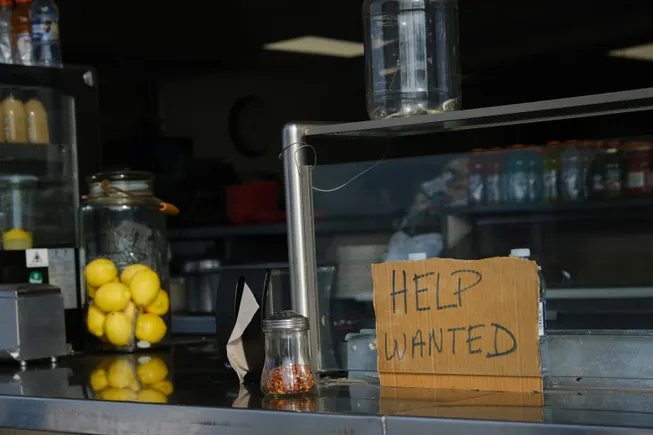
Chipotle and other restaurant operators are heading into summer with 300,000 fewer young workers in the labor force than in 2025, a shift that could make hiring harder in seasonal markets and push wages higher. For crews already working on tight prep times and digital order load, that usually means fuller shifts, more callout coverage, and more pressure on the people already on the line.
Bureau of Labor Statistics data put the civilian labor force at 128.69 million in March 2025 and 123.84 million in March 2026, and the labor force participation rate was 61.9% in March before slipping to 61.8% in May, the lowest since October 2021. Teen participation, a key summer hiring pool for restaurants, peaked at 38.2% in October 2023 and dropped to 34.8% in August 2024.

Chipotle's labor costs were 26.1% of total revenue in the first quarter of 2026, up from 25.0% a year earlier. In the fourth quarter of 2025, labor costs were 25.5% of revenue, compared with 25.2% in the same period of 2024. The company attributed those increases to wage inflation, lower average restaurant sales volumes and higher benefits expense, and its SEC filings identify a competitive labor market as a factor that can affect its ability to attract and retain qualified employees.

Managers have to recruit harder, offer more competitive hourly pay, and use schedules more carefully to keep service from slipping when callouts hit. Chipotle’s throughput model leaves less room for sloppy onboarding or weak shift coverage, so workers who can cross-train, stay reliable and handle rush periods become more valuable.

Chipotle has scheduled its second-quarter 2026 earnings release for July 29, which will give another read on whether wage pressure is still building as the summer hiring squeeze sets in.
This article was produced by Prism’s automated news system from verified source data, official records, and press releases, then run through automated quality and moderation checks before publishing. The system is built and supervised by the people who set the standards it runs under. Read our full AI policy.
Did this article answer your question?