Chipotle faces tougher competition as Founders Table buys Hopdoddy
Founders Table’s Hopdoddy buy adds a 47-unit burger chain to a 200-plus restaurant platform, raising the bar for speed, labor discipline, and expansion.
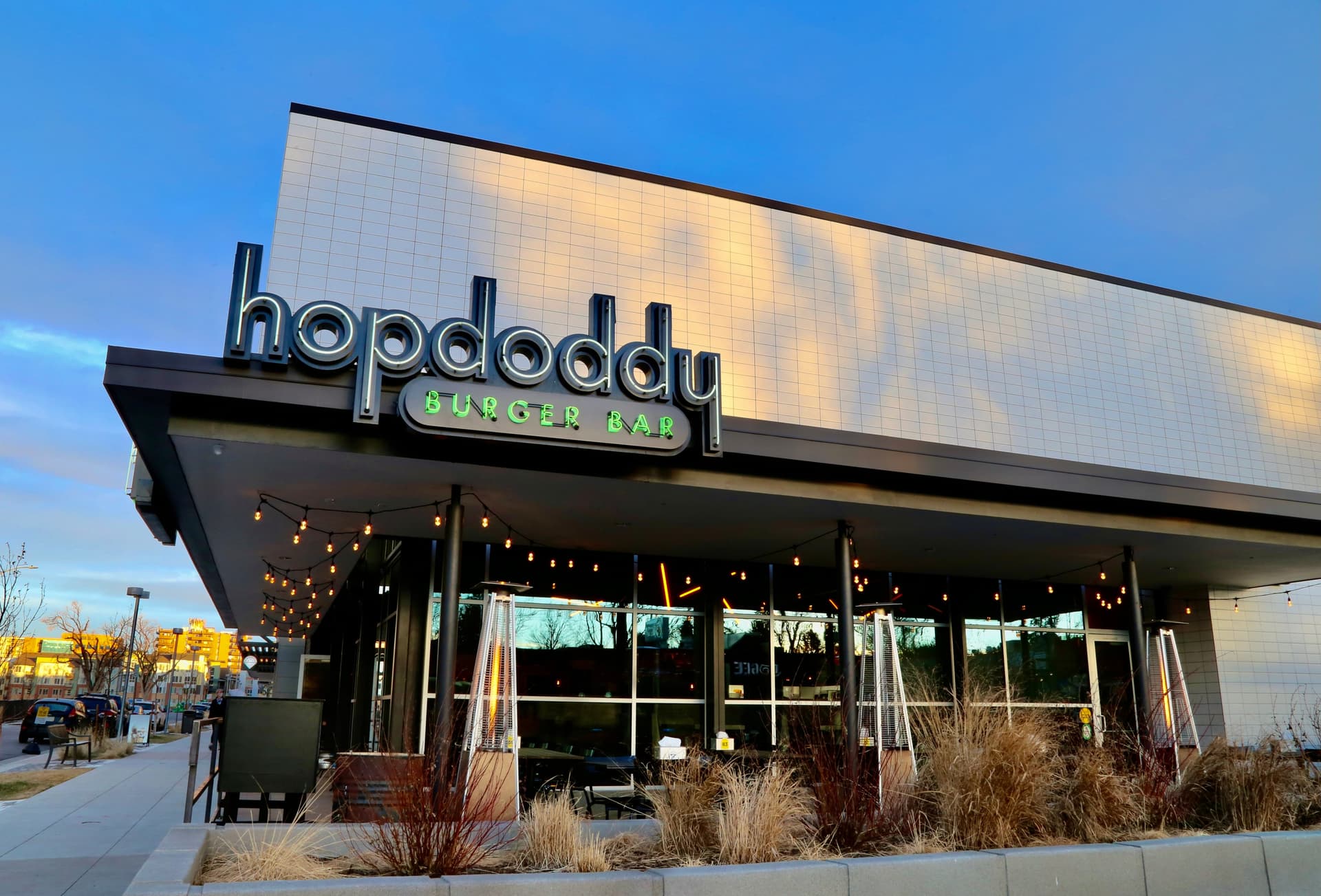
Founders Table Restaurant Group said June 24 that it is buying Hopdoddy Burger Bar, a deal that pushes another fast-casual brand into a larger operating platform built around shared systems, faster expansion and tighter control of costs. The transaction terms were not disclosed.
Hopdoddy, founded in Austin in 2010, has 47 U.S. locations, including more than 30 in Texas and about 10 in the Houston area. Technomic data cited in the deal coverage put the chain at $138 million in system sales and nearly $2.9 million in average unit volume, numbers that help explain why a brand with a premium burger identity is attractive to a multi-brand buyer looking to scale.
Founders Table already owns Chopt Creative Salad Company, Dos Toros Taqueria, Field Trip, Protein Bar & Kitchen and Sweet Chick. The company launched in January 2020 to create, acquire and cultivate founder-led restaurant concepts, and today says its platform spans more than 200 restaurants across 18 states with nearly $500 million in systemwide revenue. That kind of footprint matters on the floor: when one owner can spread technology, real estate and supply-chain costs across several concepts, the pressure usually moves down into labor targets, menu discipline and throughput expectations.
The group also said the Hopdoddy purchase will extend its non-traditional licensing and franchising program, which it says has more than 50 locations open or in development. Founders Table has pointed to healthcare, education and transportation venues as growth channels, and has cited LaGuardia Airport Terminal C as a place where Chopt, Dos Toros and Protein Bar have worked together in a co-location model. For restaurant workers, that is a sign the competitive set is widening beyond the usual burger, bowl and salad rivals into operators that can run in airports, hospitals and campus settings with the same basic playbook.
Chipotle is already moving in the same direction. On February 3, 2026, Chipotle Mexican Grill launched its Recipe for Growth strategy after full-year 2025 revenue rose 5.4% to $11.9 billion and comparable restaurant sales fell 1.7%. In the first quarter of 2026, Chipotle reported 0.5% comparable restaurant sales growth, 7.4% revenue growth to $3.1 billion and a return to positive transactions.
Chipotle also opened 49 company-owned restaurants in the quarter and said it was on track to open 350 to 370 restaurants in 2026. The Hopdoddy sale shows why that race is getting harder: the brands that can combine guest appeal with centralized systems, speed and consistency are the ones setting the new standard for everyone else.
This article was produced by Prism’s automated news system from verified source data, official records, and press releases, then run through automated quality and moderation checks before publishing. The system is built and supervised by the people who set the standards it runs under. Read our full AI policy.
Did this article answer your question?