Chipotle highlights people-first culture, growth and promotion from crew to manager
Chipotle's people-first pitch only matters if it shows up in shifts, coaching and the climb from crew to manager.
Chipotle sells itself as a "food-focused, people-first company," but the real test for workers is whether that promise shows up on the line: in how shifts are staffed, how people are coached, and who gets pushed up the ladder. Its values page says the purpose is to cultivate a better world, and the careers site says that purpose is supposed to shape hiring, teamwork and the day-to-day work environment, not just the brand story.
What the values page is really saying
For crew members and managers, the values language matters because it gives you a plain-English read on what the company says it rewards. Chipotle says its mission includes hiring passionate people, investing in their future, championing diversity, celebrating inclusion, and fostering employee and environmental well-being, which is a strong signal that performance is supposed to be measured by more than speed and throughput alone. That is the promise employees can use to judge whether a restaurant really feels supportive when the pace gets intense.
The careers homepage makes that promise more personal through employee stories. Nakeysha Washington says she went from crew member to general manager and mom of three, Osiris Reading says he went from no restaurant experience in the Dominican Republic to general manager in two years, and Skye in Jacksonville says Chipotle is covering 100% of her tuition while she works toward a molecular biology degree. For applicants, those stories matter because they show the path the company wants people to see when they look beyond the first paycheck.
How Chipotle turns crew into leaders
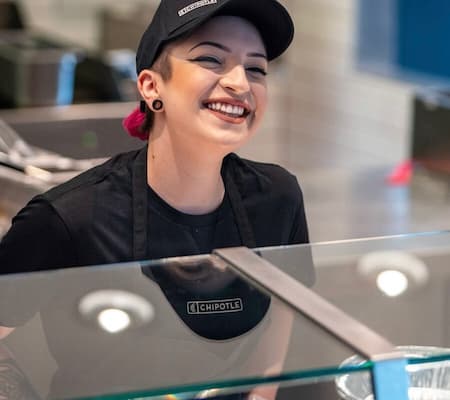
Inside the restaurants, the company frames crew work as a training ground, not just a starter job. Chipotle says being part of the crew means learning the skills to grow as a person and a leader, and its crew listings describe work across grill, cashier, prep, salsa and expo, with the added detail that you will not find freezers or microwaves in the usual fast-food sense. That tells workers the job is built around pace, station rotation and cross-training, which is exactly where culture either holds together or falls apart.
The company is even more explicit about what it expects from management. A Service Leader listing says managers monitor crew breaks, shift changes, shift meetings and line schedules, help with crew performance reviews, cross-train front-of-house crew, and develop future Service Leaders. In other words, the values page should show up in the most practical parts of the job: who gets time to breathe, who gets coached, and whether scheduling feels fair when the restaurant is slammed.
Chipotle says more than 80% of its managers are promoted from Crew, and the in-restaurant careers page says the path to leadership can take as little as 18 months through programs like Cultivate U. The company has also said crew can rise to Restaurateur, its highest general manager level, in as little as 3.5 years, and an Apprentice General Manager listing says Apprentices are meant to learn how to hire, train and run a strong business while delivering a "Guest Obsessed" experience. That is a fast-track model, but it only works if the training is real and the bar for promotion is transparent.
The promotion story is not just marketing copy. Chipotle's 2025 proxy statement said it grew the careers of 24,000 team members in its restaurants and that 90% of restaurant management roles were internal promotions. Its 2025 annual report added that nearly all newly promoted General Managers completed training focused on fostering a positive people culture where employees feel supported, heard and able to grow with Chipotle. For workers watching the next rung on the ladder, that is the clearest evidence that the company wants to keep management homegrown.
What the pay and benefits tell workers
Compensation is part of the culture story too. Chipotle's wage announcement said starting hourly wages ranged from $11 to $18 per hour, while the careers site later said the national average hourly wage had risen above $15. That range suggests pay is shaped by role and market, not a single flat floor, which matters in a chain that posts openings city by city across states as different as California, New York and Virginia.
The benefits page adds another layer for workers thinking about staying and moving up. Chipotle says students can get up to $5,250 a year toward education goals and can access its Debt-Free Degree program, and a Service Leader posting lists Digital Tips, free food, paid time off and advancement opportunities alongside tuition assistance. For a crew member deciding whether the job is just temporary or a path upward, those details are part of the total package, especially when the company is asking people to buy into its long-term culture.
Where the promise gets tested
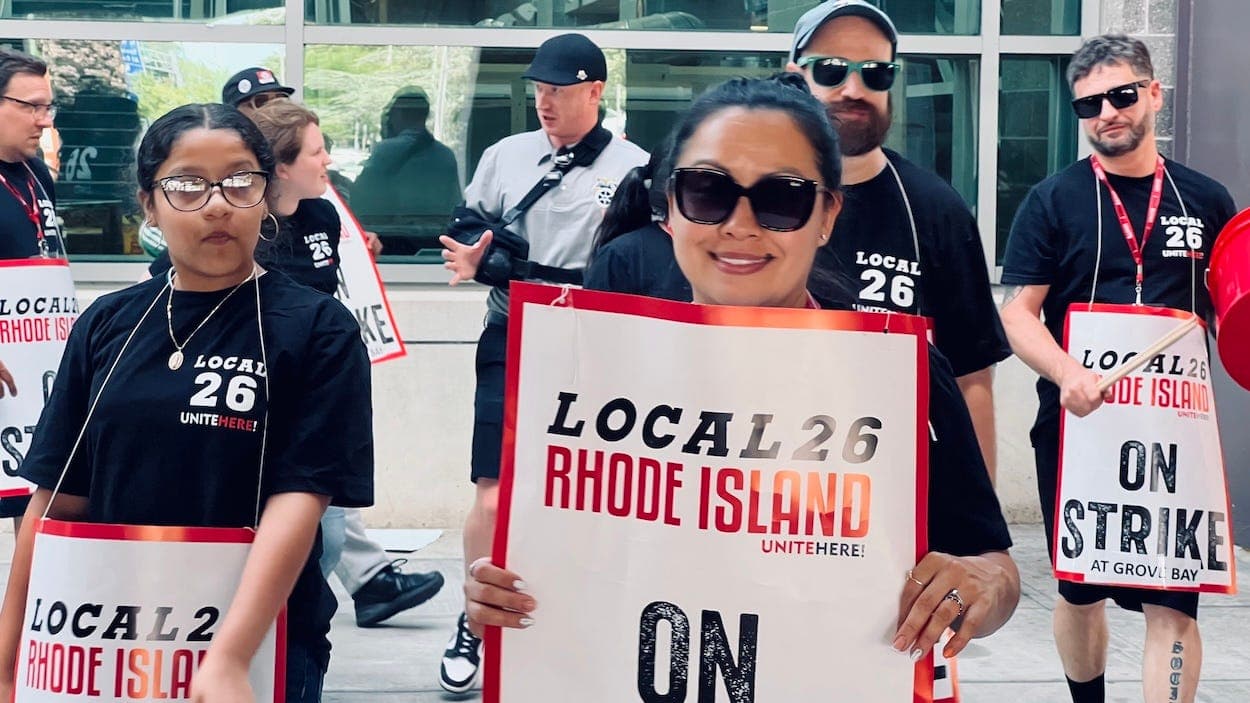
The sharpest test of a people-first culture comes when labor and pay collide. Reuters reported that Chipotle's first unionized U.S. restaurant in Lansing, Michigan, alleged the company refused raises after workers organized, and later reporting said National Labor Relations Board prosecutors found merit in those claims. That is the kind of conflict that turns a values page from a slogan into a stress test, because workers start asking whether growth and fairness apply equally once they organize or push back.
At the same time, Chipotle's public message has leaned harder into hospitality. Scott Boatwright said the company was building a "guest-obsessed" culture in Q1 2025, with an emphasis on better hospitality as customer traffic softened. That push makes operational sense in a restaurant chain, but it also raises the stakes for hourly teams, who are the ones expected to absorb the pressure of service targets, speed, food quality and guest satisfaction all at once.
Scale makes those questions more important, not less. As of December 31, 2025, Chipotle said it had 4,056 restaurants, including 14 international partner-operated locations, and it still says its long-term goal is 7,000 restaurants in the U.S. and Canada. As the chain keeps adding units, the values page will be judged less by its language and more by whether the same standards hold from one restaurant, one shift and one promotion decision to the next.
This article was produced by Prism’s automated news system from verified source data, official records, and press releases, then run through automated quality and moderation checks before publishing. The system is built and supervised by the people who set the standards it runs under. Read our full AI policy.
Did this article answer your question?