Chipotle kitchen leader role blends cooking, safety and management
Kitchen Leader is Chipotle’s back-of-house proving ground, where cooking, safety and coaching stack into the path toward Apprentice or GM work.
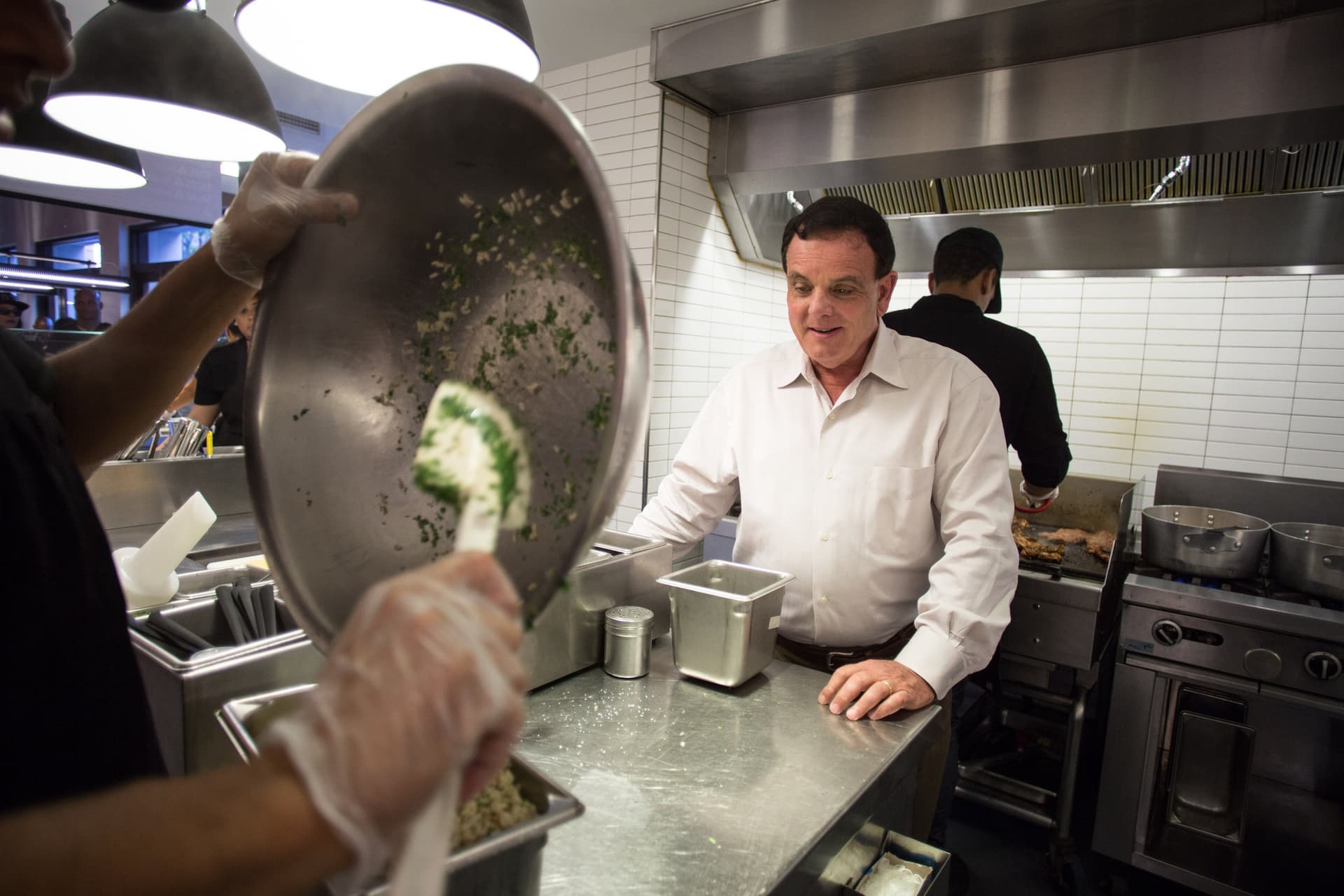
Chipotle’s Kitchen Leader role is the cleanest window into how the company turns kitchen execution into management training. The job is built around cooking to order, keeping food quality high, and making sure the kitchen is organized, safe and stocked, but it also asks the person in the role to coach others and keep the line moving. That is why this job matters to crew members who want to stay on the kitchen side of the restaurant and still build a real path into leadership.
What the Kitchen Leader actually owns
The postings are explicit about the breadth of the job. A Kitchen Leader learns how to prepare food, grill meats and sauté vegetables, while also ordering food and training future Kitchen Leaders. The role includes monitoring food waste and inventory levels, resolving food quality issues, cleaning and sanitizing the kitchen, and keeping equipment in good repair. In other words, this is not a narrow cooking role. It is a station leader job that blends prep discipline, inventory judgment and day-to-day operational control.
Just as important, Chipotle frames the Kitchen Leader as a bridge between the back of house and the front of house. Current postings say the role supports a strong team dynamic between both sides of the restaurant, communicates with crew members and customers to protect service and throughput, and serves as a role model for Crew members. The safety side is just as real: the job includes making sure there are no injuries or accidents, along with paperwork such as Material Safety Data Sheets and FIFO inventory rotation. That is a useful reminder for anyone trying to move up at Chipotle that leadership is measured in clean lines, tighter waste control and a calmer shift, not just in speed.
Why it matters in Chipotle’s leadership ladder
This role sits inside a company that has built its restaurant careers around promotion from within. Chipotle’s in-restaurant careers page says crew members learn skills to grow as people and leaders, that leadership programs can take as little as 18 months, and that 90% of restaurant management roles were internal promotions. Chipotle also says more than 80% of its managers were promoted from Crew, which explains why the Kitchen Leader is such a meaningful stop for someone eyeing bigger responsibility.

For workers aiming higher, the Kitchen Leader is a practical rehearsal for the next two rungs up the ladder: Apprentice and General Manager. Chipotle’s current job board lists both Apprentice and Apprentice General Manager openings, and the company has said Apprentices want to grow into General Managers by helping run the day-to-day operation, hire and train people, and deliver the guest experience. Chipotle has also said crew members can reach its highest GM title, Restaurateur, in as little as three and a half years, with about $100,000 in average compensation while running a multi-million-dollar business. The Kitchen Leader role gives you the habits that make that leap believable.
How the money works on the ground
Chipotle’s pay picture is local, not uniform, and current postings show why workers need to read the fine print by city. A Goleta, California crew posting listed hourly pay of $20 to $21 plus digital tips, while a New York posting listed $17 to $18 plus digital tips. Both said compensation depends on skill level, experience or education, and both tied pay to local wage and hour laws. That is the reality of Chipotle’s restaurant labor market: the title may be the same, but the paycheck can move meaningfully from one city to another.
Chipotle has also publicly described a broader wage floor story. The company said in an earlier wage announcement that it was moving toward a $15 average hourly wage, with starting wages for hourly crew ranging from $11 to $18 at the time. Put together with the current city-specific ads, the message is straightforward: hourly work at Chipotle is still tied to market conditions, local rules and role complexity, not one national rate card. For crew members, the kitchen ladder can mean better pay, but not the same pay everywhere.
The benefits package is part of the pitch
Chipotle uses benefits and education to make the internal ladder easier to climb. Its careers site says the company is a food-focused, people-first employer, and its benefits pages say crew across more than 3,200 restaurants get wellness benefits, bonuses and educational assistance. Current crew postings say tuition assistance can reach $5,250 a year, with 100% tuition coverage for select degrees, and list medical, dental and vision insurance, digital tips, paid time off, holiday closures, free food and vacation and sick-time accrual. For a worker balancing rent, school and a restaurant schedule, that package is not decoration. It is part of how Chipotle keeps people in the system long enough to move up.
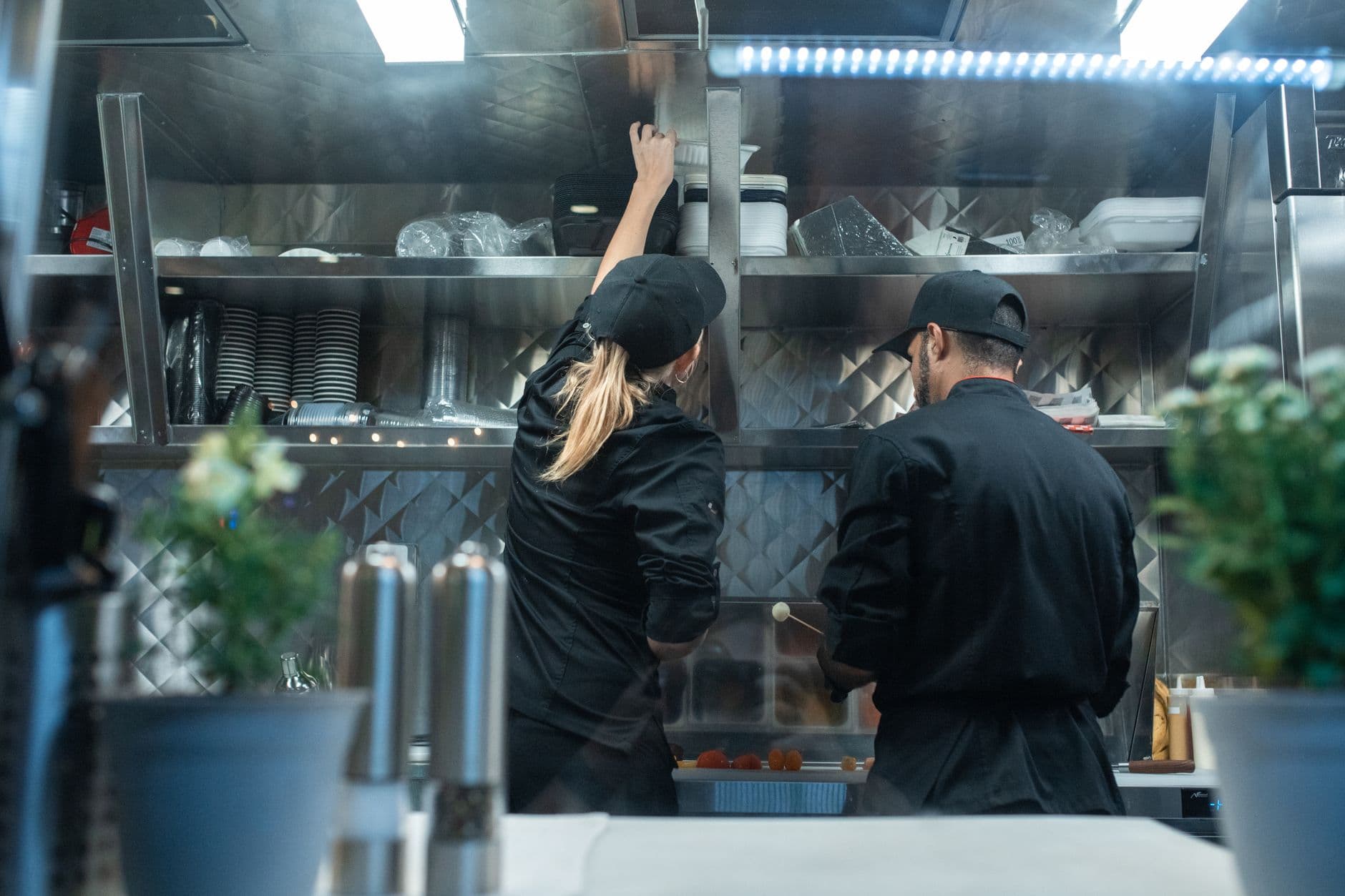
That matters because the Kitchen Leader role is designed to develop people, not just hold a station together. Chipotle’s postings say Kitchen Leaders train others to become future Kitchen Leaders, and the company’s broader career pages reinforce a culture of promotion from within. If the kitchen is stable, the whole restaurant usually runs better: waste is tighter, food quality is more consistent and the line is less likely to buckle when the rush hits. That is why Kitchen Leader is more than a job title. It is Chipotle’s most legible test of whether someone can turn operational discipline into leadership.
Why Chipotle cares so much about this role
The company’s scale makes that bench strength even more important. As of December 31, 2024, Chipotle said it owned and operated over 3,700 restaurants and was working toward a long-term goal of 7,000 restaurants in North America. In 2025, it said it had more than 130,000 team members and purchased over 50 million pounds of local ingredients, up 3.0 million pounds from 2024. Its food safety programs, the company says, are meant to keep it in compliance with food safety regulations and establish it as an industry leader in food safety.
That scale also helps explain why Chipotle pushes so hard on systems and standardization. In the fourth quarter of 2024, digital sales represented 34.4% of total food and beverage revenue, and the company opened 119 company-owned restaurants, 95 of them with Chipotlanes. Chipotle’s 2024 sustainability reporting said it achieved its targets across Food and Animals, People and Environment. Taken together, those numbers show a company leaning hard on repeatable execution, and the Kitchen Leader sits right where that discipline meets the guest experience.
For crew members thinking about their next step, that is the real lesson: the Kitchen Leader job is not just a cooking role with a fancier name. It is Chipotle’s most visible apprenticeship in operational leadership, where food quality, prep habits, inventory control and coaching all live in the same shift.
This article was produced by Prism’s automated news system from verified source data, official records, and press releases, then run through automated quality and moderation checks before publishing. The system is built and supervised by the people who set the standards it runs under. Read our full AI policy.
Did this article answer your question?