Chipotle managers can use FDA food code to improve safety
Chipotle’s food-safety risks usually show up in the rush, not in the manual. The FDA Food Code offers managers a practical way to control cross-contact at setup, on the line, and during handoffs.
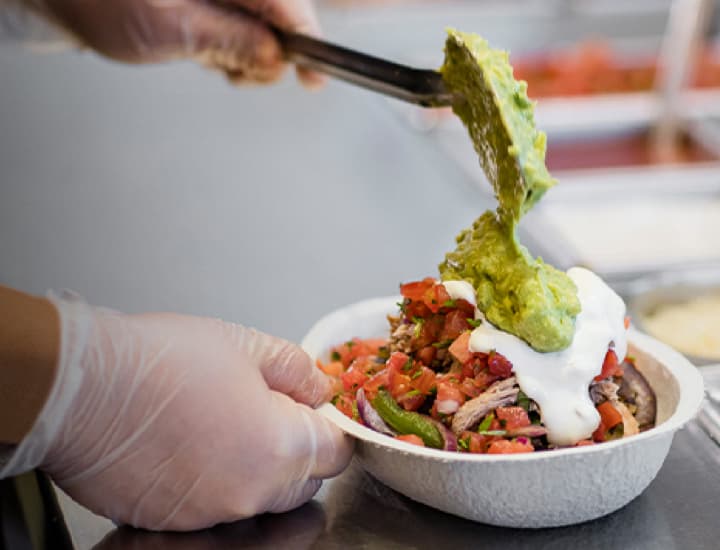
At Chipotle, allergen cross-contact can start before the first customer walks up, when pans, tools, and work flow are set for service. The FDA Food Code gives retail and food-service operators a uniform national standard for keeping food unadulterated and honestly presented, making it a useful guide to the moments when cross-contact happens inside a Chipotle restaurant.
What the Food Code is really for
The 2022 Food Code is the FDA’s model for safeguarding public health and reducing foodborne illness risk in retail food-service settings. It was originally posted on December 28, 2022. The most recent version is dated January 18, 2023. FDA also released a supplement to the 2022 Food Code based on recommendations from regulatory officials, industry, academia, and consumers at the 2023 Biennial Meeting of the Conference for Food Protection.
The Food Code supports standardized inspections and audits, giving operators and regulators a common framework instead of a patchwork of local habits. In a restaurant built around speed, that framework gives managers a standard for the line during lunch rushes.
Where cross-contact starts: before service begins
The highest-risk decisions often happen before the first bowl is built. Allergen cross-contact can be prevented by separating allergen-containing and non-allergen-containing materials in time and space, a simple idea with practical implications for line setup, prep, and restocking. At Chipotle, that means the first control point is not the guest with the allergy question, but the person setting the pans, tools, and work flow in the morning.
If ingredients, utensils, or surfaces are handled in the wrong sequence, the risk travels with the line. FDA food-allergy guidance stresses careful assessment and management of allergen hazards, and the agency pairs that with ingredient-labeling rules for packaged foods and broader guidance for industry and consumers. For managers, that means the prep area has to be treated as a system, not a collection of individual actions: set up, label, separate, clean, then serve.
What Chipotle tells crews to assume
Chipotle’s allergen materials warn that individual foods may come into contact with one another during preparation. The company cannot guarantee the complete absence of eggs, mustard, peanuts, tree nuts, sesame, shellfish, or fish in its restaurants, and it warns that cross-contact with milk, soy, meat, or grain ingredients can happen in its kitchens. That is the operational reality crews need to work from, not a promise that an item is safe just because it looks separate on the line.
Guests should inform staff before ordering if someone in the party has a food allergy. That instruction should not be treated like a customer-service script. It is the cue for a different pace of work, a tighter handoff, and a manager who knows the restaurant cannot improvise its way around a serious allergy concern.
The shift moments where controls matter
Cross-contact prevention is not one big policy. It is a series of small, repeatable behaviors at the moments when hands, tools, and food keep changing places. A manager who wants fewer mistakes should focus on four pressure points: line setup, utensil swaps, glove changes, and handoffs during rush periods.
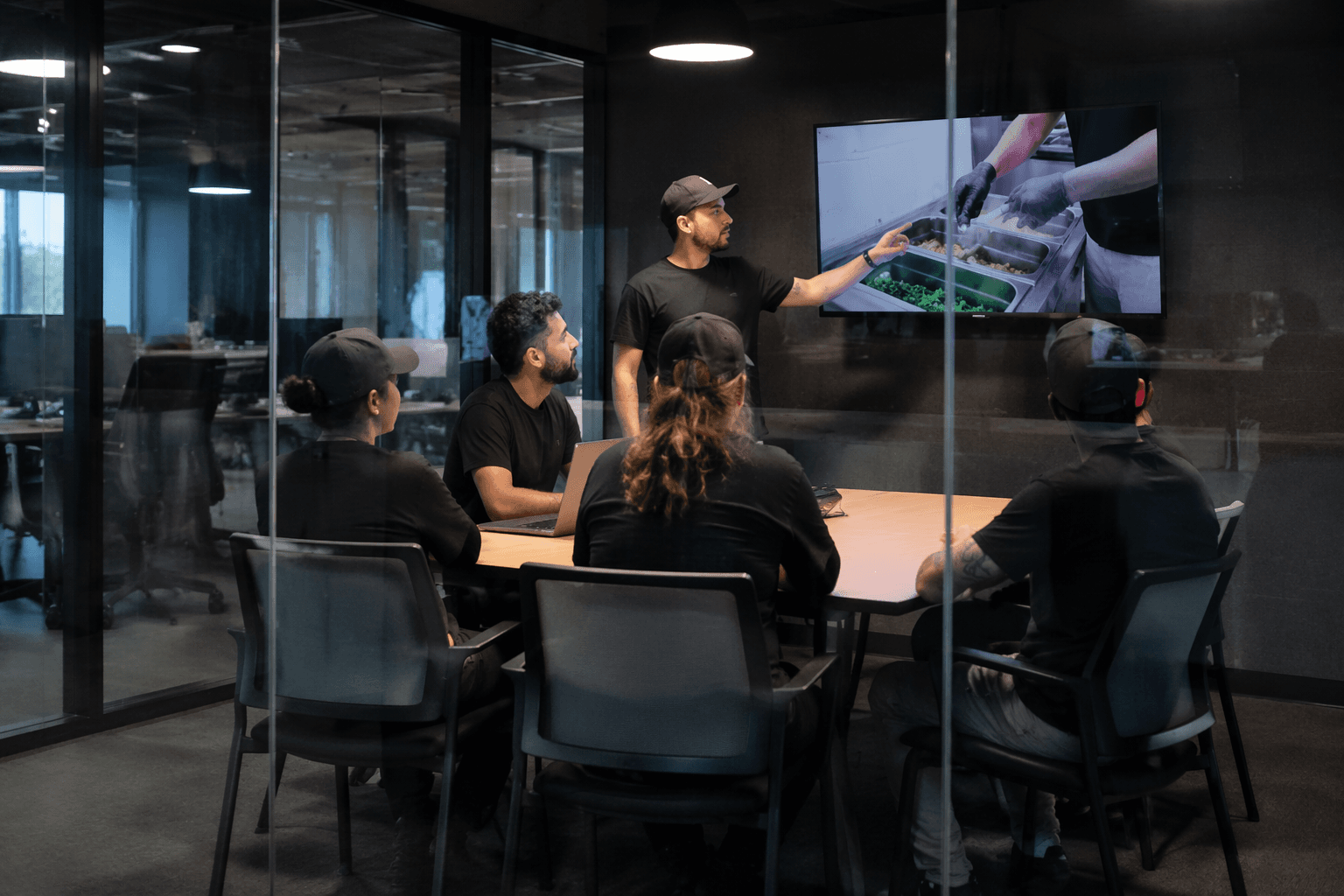
- Line setup: keep allergen-containing and non-allergen-containing items separated in time and space, especially when the station is being stocked and re-stocked.
- Utensil swaps: do not move a spoon, tongs, or scoop from one ingredient to another without a cleaning step that resets the tool and the surface.
- Glove changes: changing gloves only works if crew treat it as a reset, not a costume change. If the glove touched a risky item or a contaminated surface, the next task starts with clean hands and a clean pair.
- Handoffs: the moment food leaves one person’s control and enters another’s is where shortcuts happen. In a fast line, the safest handoff is the one that is deliberate, brief, and consistent every time.
Peak periods are where these habits either hold or fall apart. Lunch and dinner rushes reward speed, but food safety can’t depend on whether the restaurant is busy.
Why this is also a labor issue
Food safety protects guest trust, and it also protects the crew from the operational chaos that follows a preventable contamination event. A line that has to be stopped, cleaned, or explained to guests in the middle of a rush slows every ticket, strains the team, and puts managers in damage-control mode.
Kitchen leaders and service leaders need to treat safety as part of throughput, not as a separate compliance chore. The FDA Food Code turns a vague expectation into a consistent operating standard, and Chipotle’s allergen warnings make clear that the restaurant’s prep environment requires discipline every day.
What managers should enforce every shift
Managers should make sure every shift starts with a clean setup, a clear plan for separating allergen and non-allergen materials, and a shared understanding that utensils, gloves, and surfaces all carry risk if they are moved casually.
This article was produced by Prism’s automated news system from verified source data, official records, and press releases, then run through automated quality and moderation checks before publishing. The system is built and supervised by the people who set the standards it runs under. Read our full AI policy.
Did this article answer your question?