Chipotle tests crispy chicken, happier hour, and catering expansion
Chipotle is broadening the playbook with crispy chicken, happier hour, and catering. The real question for crews is whether more traffic can land without clogging the line.
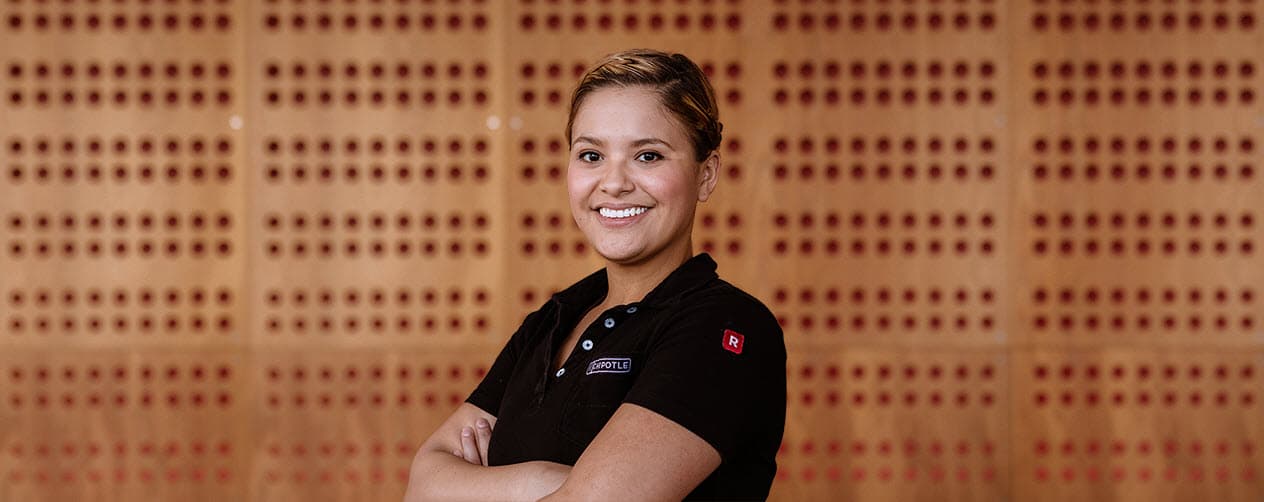
Chipotle is turning its turnaround into a live stress test of the line. Crispy chicken, a lower-priced happier hour, bigger catering bets, and renamed group meals could lift traffic, but they also push more prep, tighter timing, and more pressure on already packed shifts.
A growth strategy built after a weak year
This push did not come out of nowhere. Chipotle said full-year 2025 same-store sales fell 1.7 percent, the first annual decline since 2016, and then laid out its “Recipe for Growth” plan on Feb. 3, 2026 to drive transactions with more limited-time offers, more menu innovation, faster unit growth, and a revamped rewards program. By April 29, the company was pointing to a better read on traffic, with first-quarter revenue up 7.4 percent to $3.1 billion and comparable restaurant sales up 0.5 percent on positive transactions.
For restaurant workers, that matters because the company is no longer treating innovation as a one-off marketing burst. Chipotle said in January it would pursue three to four limited-time protein offerings in 2026, plus new sides and dips, which means crews are being asked to absorb change as part of the normal operating rhythm rather than as an occasional campaign.
What crispy chicken means on the make line
The biggest operational question is whether a crispy chicken item can scale without making the line messy. A new protein can change prep load, equipment use, and how fast crews have to move guests through the line, especially if it requires fryer space, a plancha, or a different holding rhythm than the standard chicken build. Chipotle’s existing protein tests show the company already sees menu novelty as a traffic lever: Chicken al Pastor returned Feb. 10, and Chipotle Honey Chicken launched in April, with the company calling Honey Chicken its best-selling limited-time offering in a market-wide test.
That history suggests Chipotle is not just chasing buzz. It is trying to find menu items that can create new occasions while still fitting the assembly-line model that defines the brand, which is why managers and apprentices should watch the effect on throughput, expo communication, and food quality closely if crispy chicken expands beyond test stores.
Happier hour is a traffic play, and a labor test
Scott Boatwright has been unusually direct about the value play. He said the planned “Happier Hour” could include tacos and beverages, likely priced under $10, and positioned it as a way to pull more guests into the afternoon daypart, especially between 2 p.m. and 5 p.m. QSR Magazine reported the same timing window, which tells crews exactly where the pressure is likely to land: not at the lunch rush or the dinner bell, but in the gap when stores often try to recover.
That kind of promotion can smooth demand if managers staff it properly. It can also backfire if a store keeps weekday labor tight while discounts draw guests into a period that used to be quieter. For crew members, the difference shows up in the pace of line communication, the speed of beverage and taco builds, and whether the shift feels steady or suddenly short-handed. Chipotle’s job postings also show “Digital Tips” in the compensation mix for some restaurant roles, which means any traffic gain can affect not just sales but the customer-facing tip environment tied to app and register prompts.
Catering and group meals are the other half of the bet
The company is also leaning harder into bigger orders. On May 11, Chipotle highlighted Chipotle U Rewards data on college-town ordering, including top group-order campuses and delivery hotspots, and that lines up with the renamed group meal effort and expanded catering push now in the mix. In plain operational terms, that means more pickup labels, more expo coordination, and more chances for a single order to swallow the bandwidth of a whole rush.
That can be good business if the restaurant can keep the handoff clean. Group and catering orders usually raise average checks, but they also require better forecasting, more disciplined prep, and clearer communication between the front line and the kitchen so individual guests are not slowed down while bigger orders are being staged. Chipotle’s own digital and rewards strategy points in the same direction, with the company using loyalty data to target behavior it thinks can be scaled across more occasions.
What it means for crews, apprentices, and managers
This is where the workplace angle gets sharpest. Chipotle says it has more than 4,100 restaurants and more than 135,000 employees as of March 31, 2026, so even a modest change in menu mix can become a major training and labor issue fast. The company also says 80 percent of managers started as Crew, and its career ladder still advertises a path to Restaurateur, the highest General Manager role, in as little as three and a half years, with a potential compensation package of about $100,000. That is real upward mobility, but it also means today’s crew mistakes can become tomorrow’s management lesson if the rollout is sloppy.
Pay still varies by market, and that matters when Chipotle layers on more complexity. The company’s 2021 wage push set starting crew pay in a range of $11 to $18 an hour, and current wage trackers show California crew averages around $17.71 an hour and New York State around $17.17, with New York City a bit higher. In practice, that means the same happier hour or crispy chicken test can land differently depending on whether you are working in a high-cost city, a lower-cost suburb, or a market where premium pay and shift differentials are part of the local labor mix.
The next checkpoint is already on the calendar. Chipotle is set to report second-quarter 2026 results on July 29 at 4:30 p.m. ET, and that call should show whether these experiments are building durable traffic or just adding another layer of complexity to the make line. For the people running the stores, that is the real test: whether Chipotle can create new occasions without asking crews to absorb more friction than the operation can safely carry.
This article was produced by Prism’s automated news system from verified source data, official records, and press releases, then run through automated quality and moderation checks before publishing. The system is built and supervised by the people who set the standards it runs under. Read our full AI policy.
Did this article answer your question?