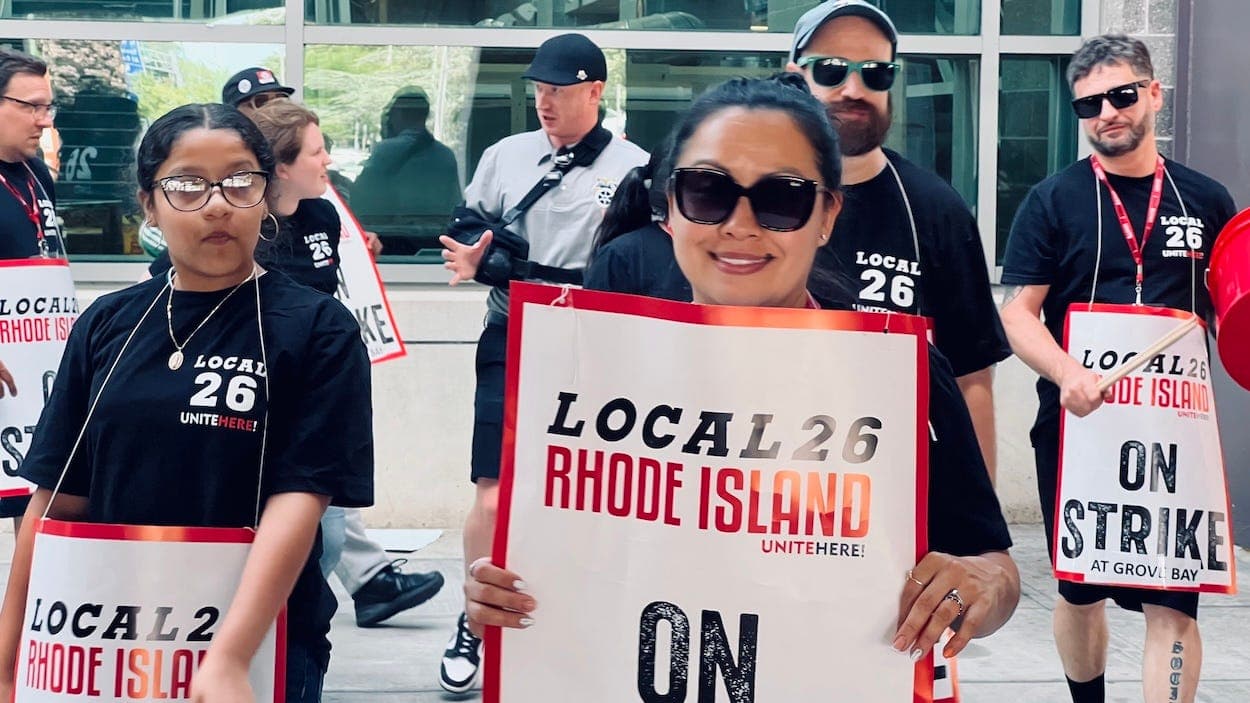
Chipotle workers face meal skipping as financial stress rises
Sixty-one percent of hourly restaurant workers skipped meals because they could not afford food, a warning sign for crews already living paycheck to paycheck.
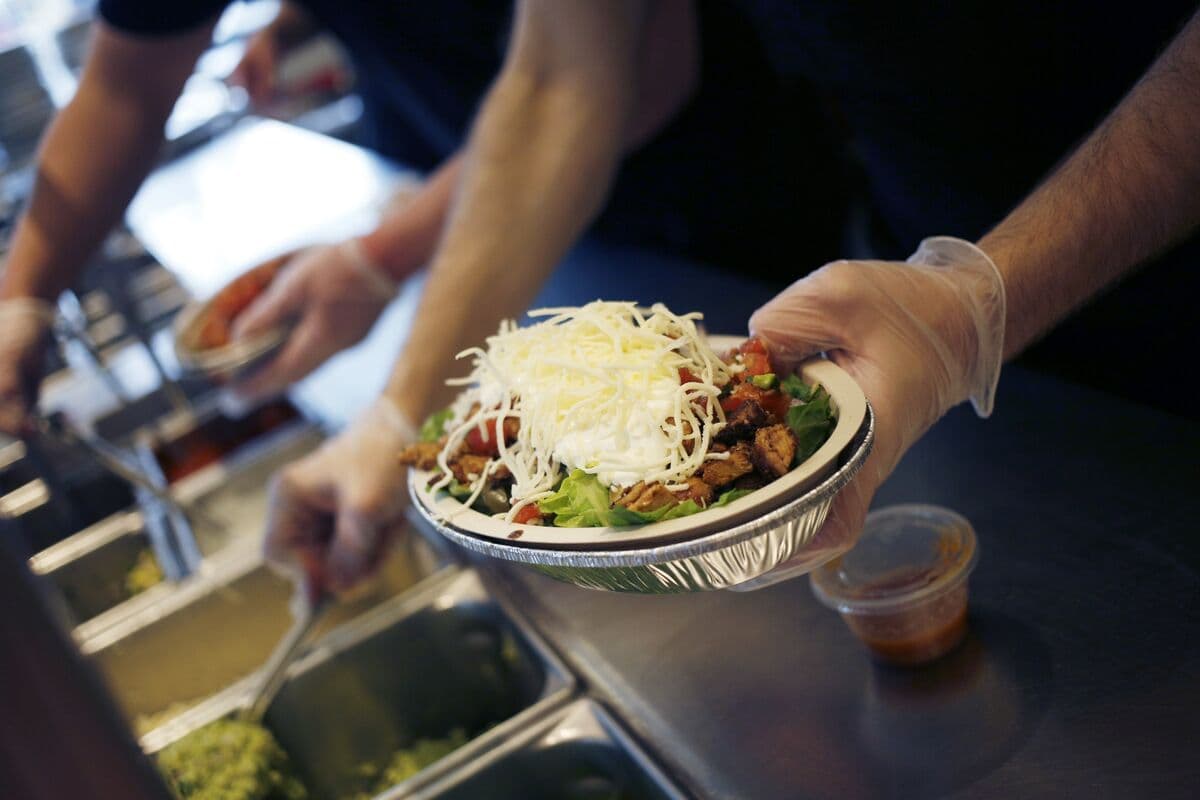
A 2026 survey of 750 hourly restaurant and foodservice employees found that 61% skipped more than one meal a week or went without a meal in the past week because they could not afford food. The same study found 75% were living paycheck to paycheck, a blunt measure of how quickly a short week of shifts can turn into a food problem for people who cook, serve and clean for a living.
The findings land hard inside Chipotle Mexican Grill, where crew schedules can rise and fall with demand and where the company has built part of its employment pitch around keeping workers steady enough to stay. Chipotle says crew members across its 3,200-plus restaurants get physical and mental health benefits, bonuses and educational assistance, along with a free meal for every daily shift. For eligible employees, the company says that package also includes up to $5,250 a year for education, 401(k) matching after one year and student loan matching through 401(k) contributions.
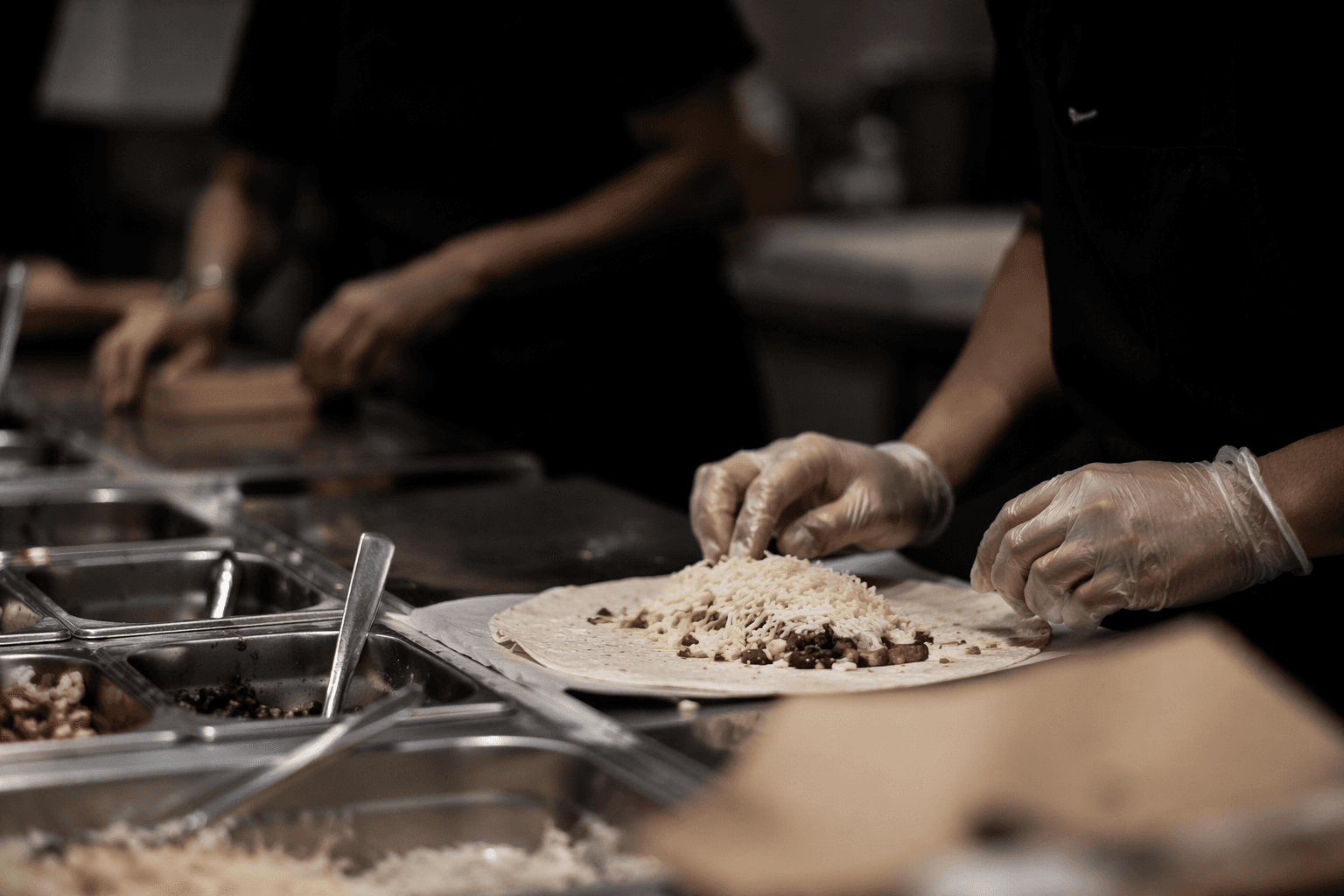
Guild, Chipotle’s education partner, says the chain also offers 100% tuition-paid program options and splits tuition assistance into two half-year funding periods. Those benefits matter because the survey’s message is not just that workers are hungry. It is that financial pressure reaches into attendance, focus and retention, especially in restaurants where a missed shift or an unexpectedly light schedule can immediately change what lands in a bank account.
Chipotle’s own first-quarter 2026 results show how expensive that environment has become. Labor costs rose to 26.1% of revenue, up from 25.0% a year earlier, as wage inflation, lower average restaurant sales volumes and higher benefits expense pushed costs higher. The company opened 49 company-owned restaurants in the quarter, 42 with a Chipotlane, and said digital sales made up 38.6% of food and beverage revenue. Those numbers point to a brand still expanding, even as the cost of staffing that growth keeps climbing.
The pressure is sharper in California, where Chipotle’s SEC filing says national restaurant chains were required in 2024 to pay at least $20 an hour to California restaurant workers, with annual increases set by a state-appointed council. For crews and managers alike, the lesson is straightforward: meal breaks, benefits, scheduling and base pay are now part of the same conversation. At Chipotle, the question is not only how to cover the line for lunch rush, but how to keep the people on it fed enough to come back tomorrow.
This article was produced by Prism’s automated news system from verified source data, official records, and press releases, then run through automated quality and moderation checks before publishing. The system is built and supervised by the people who set the standards it runs under. Read our full AI policy.
Did this article answer your question?