Chipotle workers face tighter schedules as restaurant labor shortages persist
Restaurant leaders say immigration shortages are squeezing Chipotle crews, tightening schedules and raising the risk of overtime, callout stress and burnout.
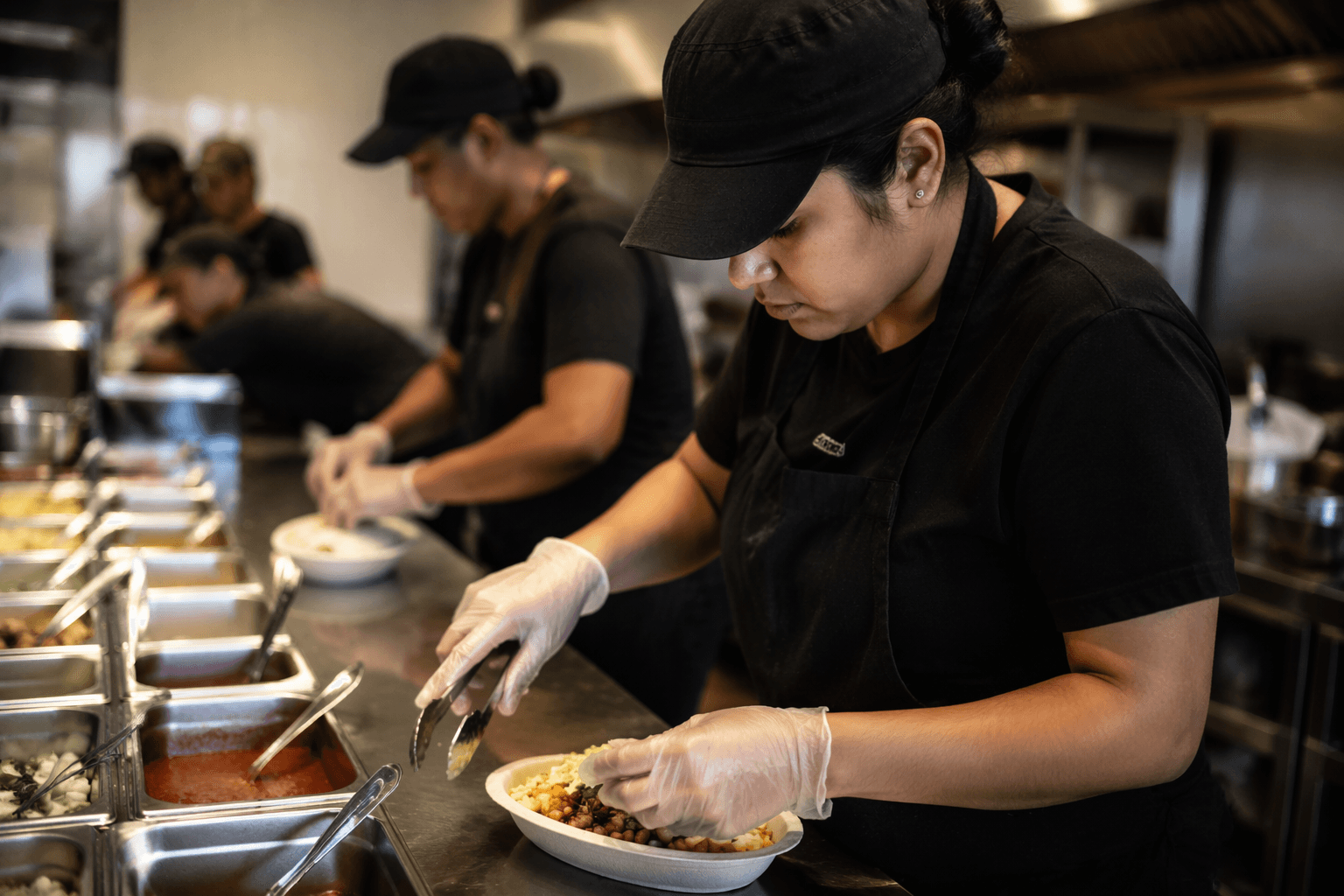
Chipotle’s line workers are operating with less room for error as immigration politics, wage inflation and a tight labor market collide inside fast-casual restaurants. When operators cannot easily replace a missing prep cook, cashier or line worker, the pressure shows up as tighter schedules, harder shift coverage and more strain on the people still on the floor.
That is why a June 8 Q&A on restaurant labor policy landed so directly for Chipotle crews. The National Restaurant Association’s chief advocacy officer argued that immigration reform is one of the industry’s biggest labor issues because restaurants depend on a baseline workforce that cannot be trimmed much further without hurting food production and service. The same discussion tied labor pressure to wage growth, price competition and the fight over tipped-subminimum wage rules, a mix that leaves operators little room to absorb absences, last-minute callouts or digital-order spikes.
Chipotle’s own numbers show how quickly that pressure adds up. In the first quarter of 2026, labor costs reached 26.1% of revenue, up from 25.0% a year earlier. The company said the increase was driven mainly by wage inflation, lower average restaurant sales volumes and higher benefits expense. In its 2025 annual report, Chipotle said it faced risks from wage inflation, a competitive labor market and occasional staffing shortages. Its 2026 annual report added state and local minimum-wage regulations and union organizing efforts to that list.
For crews, those risks are not just balance-sheet language. Chipotle had about 4,042 restaurants and digital sales around 36.7% of revenue in 2025, which means the brand is still depending on high-volume shifts that have to stay fast even when the store is short. By the end of 2023, Chipotle had started collecting throughput data and giving weekly feedback and coaching. It also began testing Hyphen, an automated digital makeline system, in the second quarter of 2022. That investment points to the same goal operators keep chasing on the floor: more speed from fewer mistakes, without adding people the market may not produce.
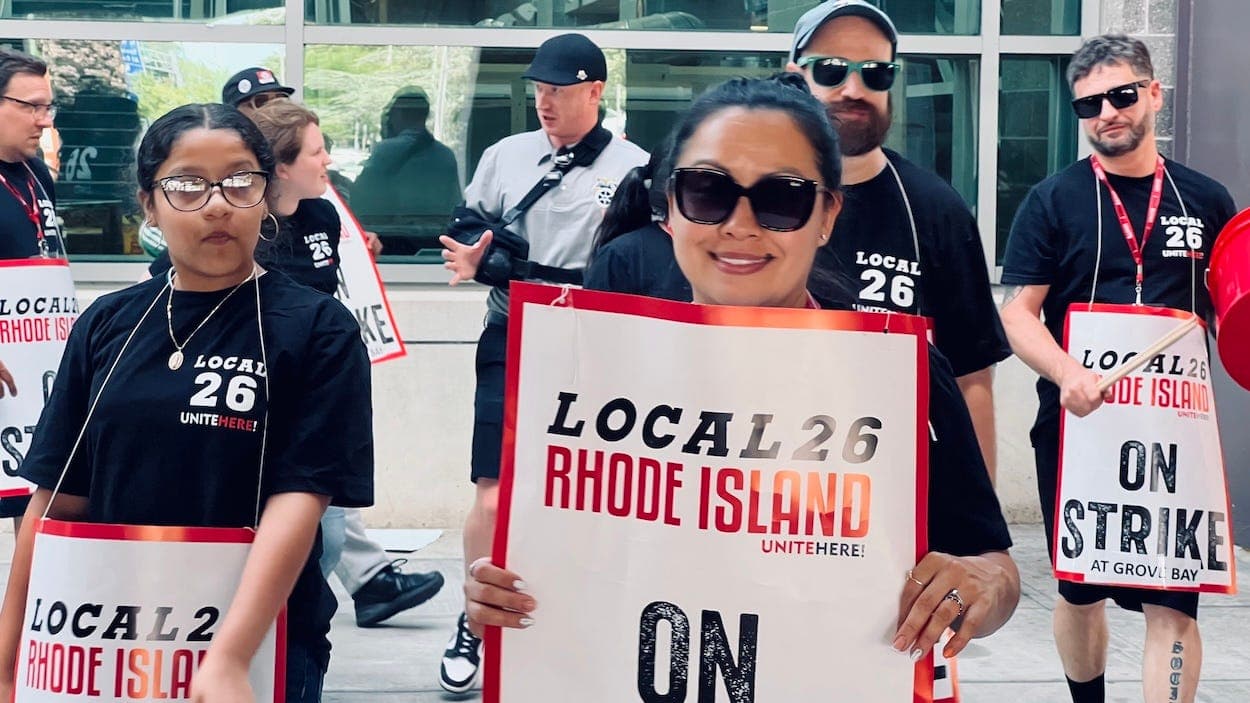
The staffing debate is also being shaped beyond Chipotle’s own walls. The National Restaurant Association said on April 10 that immigration is essential to the strength and stability of the restaurant workforce. Brookings reported in January 2026 that U.S. immigration entries dropped significantly in 2025 compared with 2024, helping explain why labor availability remains such a live issue for restaurants. At Chipotle, where the first unionized store organized with the International Brotherhood of Teamsters in 2022 still reportedly lacked a contract as of late 2025, workers have already linked staffing stability to wages, scheduling and the ability to keep restaurants running without burning people out.
This article was produced by Prism’s automated news system from verified source data, official records, and press releases, then run through automated quality and moderation checks before publishing. The system is built and supervised by the people who set the standards it runs under. Read our full AI policy.
Did this article answer your question?