Chipotle workers navigate food allergies, cross-contact risks at restaurants
When guests ask allergy questions at the line, Chipotle crews need more than speed: they need exact ingredient knowledge and an honest read on cross-contact risk.
Chipotle’s allergy moments usually start with a simple question and can turn serious fast. A guest wants to know what is in a salsa, whether a tortilla is safe, or whether the line has touched an allergen, and the right answer is never a guess. For crew members, the job is to slow the interaction down just enough to check the facts, because food allergy mistakes are not just service slips, they are safety risks.
Why the allergy question matters
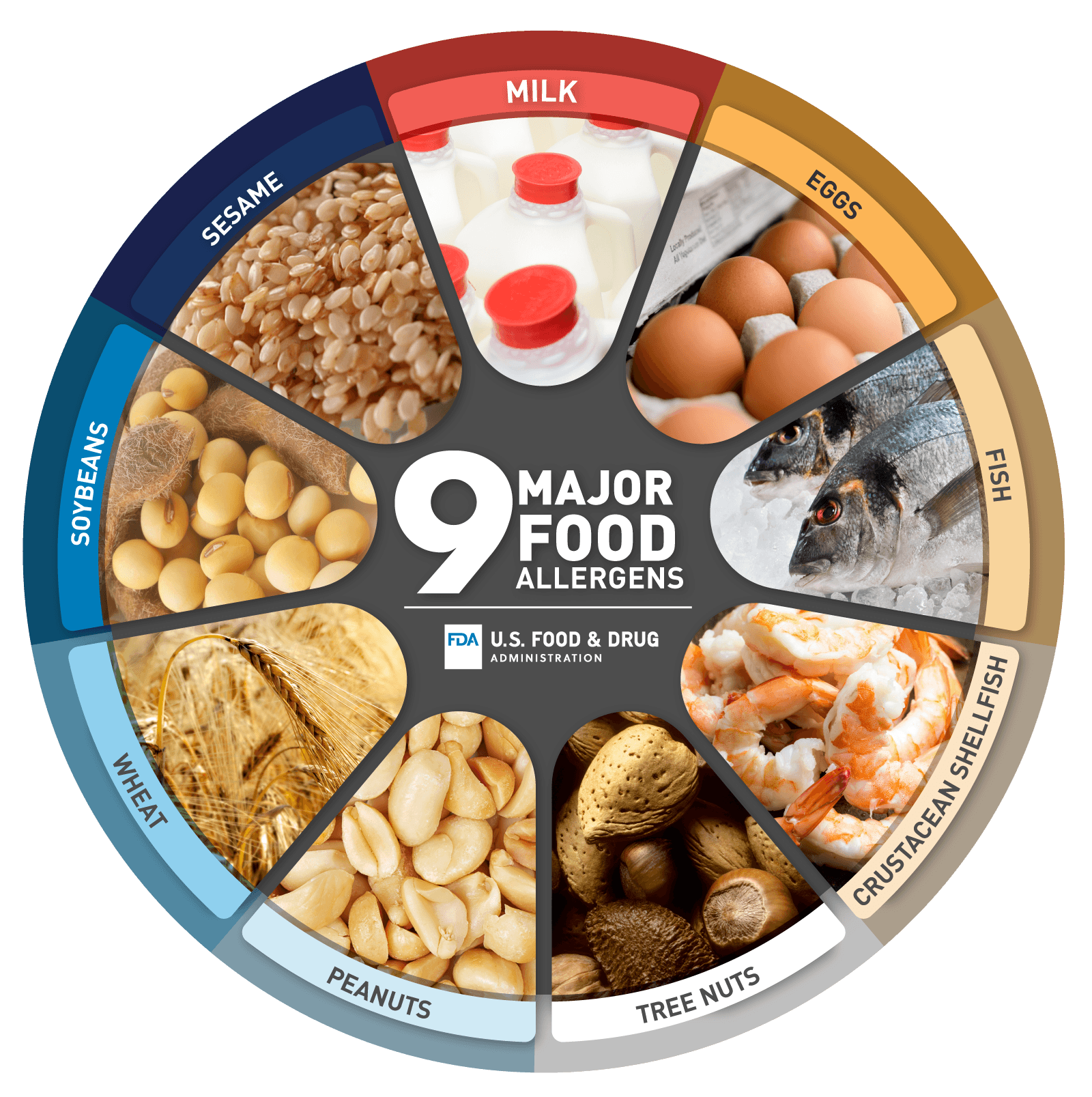
The FDA says the major food allergens are milk, eggs, fish, crustacean shellfish, tree nuts, peanuts, wheat, soybeans, and sesame. It also says food allergies affect millions of Americans, and reactions can range from mild symptoms to anaphylaxis, anaphylactic shock, and death. That is why allergy questions at the line deserve the same seriousness as any other safety issue in the restaurant.
The scale is larger than many workers realize. FDA-linked public health materials estimate about 32 million Americans have food allergies, including about 1 in 13 children. A major epidemiology review has also pointed to U.S. estimates of about 1 in 10 adults and 1 in 12 children with IgE-mediated food allergy. In other words, this is a routine part of restaurant work, not a rare edge case.
What Chipotle workers should do first
The safest response starts with verification, not memory. If a guest asks about allergens, check the ingredients list and the company’s nutrition materials instead of relying on what you think is in a dish. If the question requires more detail than you can confidently answer, pause and bring in a manager or a more experienced coworker.
Chipotle tells guests to inform staff if someone in the party has a food allergy, and that instruction should guide the counter conversation. The practical workflow is straightforward:
- Confirm what allergen the guest is avoiding.
- Check the ingredient guide rather than guessing.
- Use clean utensils and clean surfaces when possible.
- Watch for shared preparation areas where cross-contact can happen.
- Escalate the question if you are not fully sure.
That last step matters. The honest answer is not an improvised workaround. If an item is not safe for a particular guest, say so clearly and stop there. Trying to make it work on the fly invites mistakes that can affect both the guest and the team.
What not to say at the line
The biggest mistake is sounding certain when you are not. Do not say an item is safe unless you have checked the current ingredient information and understand the cross-contact risk. Do not minimize the concern by treating it like a preference, and do not assume a menu item is allergen-free just because it does not obviously contain a certain ingredient.
Chipotle’s own allergen page makes the same point from the company side. Individual foods may come into contact with one another during preparation, and the company says its allergen chart does not capture every possible cross-contact scenario. It also says it cannot guarantee the complete absence of eggs, mustard, peanuts, tree nuts, sesame, shellfish, or fish in its restaurants. That means a confident-sounding promise is worse than no answer at all.
Limited-time or test items can raise the stakes further. Chipotle notes that those items may include allergens not listed on its main page, so crews need to treat new menu items carefully and verify before speaking loosely. The line is no place for assumptions.
How FDA rules shape the job
This is not just a Chipotle policy issue. FDA guidance says the agency helps the food industry, consumers, and other stakeholders assess and manage allergen hazards. It also says inspections and sampling are used to check that major food allergens are properly labeled and that facilities have controls to minimize or prevent cross-contact.
The regulatory framework has tightened over time. Under the Food Allergen Labeling and Consumer Protection Act, food labels must identify the food source names of major allergens used to make the food. FDA guidance also notes that allergens can appear in ingredient statements or in contains statements, which is why employees should be looking at the actual label language instead of relying on shorthand.
Sesame is a good example of how quickly the landscape changes. Starting January 1, 2023, sesame became the ninth major food allergen in the United States after the FASTER Act was signed in 2021. For restaurant workers, that means allergy knowledge is not static. What was once an overlooked ingredient may now be central to the conversation.
Cross-contact is the real operational issue
At Chipotle, the biggest risk is often not a single ingredient but the way the line works. The company’s fresh-prep model depends on shared stations, shared utensils, and a fast-moving team. That is efficient, but it also means cross-contact is always a live possibility, especially when the line is busy and guests are asking detailed questions in real time.
FDA defines cross-contact prevention as keeping allergenic material from being unintentionally introduced by separating products in time and space. That idea should sound familiar to any kitchen manager: clean tools, clean surfaces, and clear station discipline are not extras, they are the mechanics of safe service. The faster the rush, the more important it is to keep that discipline intact.
For kitchen managers and service managers, the answer is training, repetition, and reminders at the start of shifts. Allergen handling should be part of onboarding and station refreshers, not a one-time mention. When the team practices the process often enough, it becomes less likely that a busy lunch rush turns into a preventable error.
The standard Chipotle workers should aim for
The best allergy handling at Chipotle is calm, specific, and honest. Know the ingredients. Know where cross-contact can happen. Know when to stop and get help. Speed still matters in a line restaurant, but not more than precision.
That is the real standard guests are asking for when they start asking detailed allergy questions. They are not looking for a sales pitch. They are looking for a crew that can tell the truth about what is in the food, what might have touched it, and where the limits of safety really are.
This article was produced by Prism’s automated news system from verified source data, official records, and press releases, then run through automated quality and moderation checks before publishing. The system is built and supervised by the people who set the standards it runs under. Read our full AI policy.
Did this article answer your question?