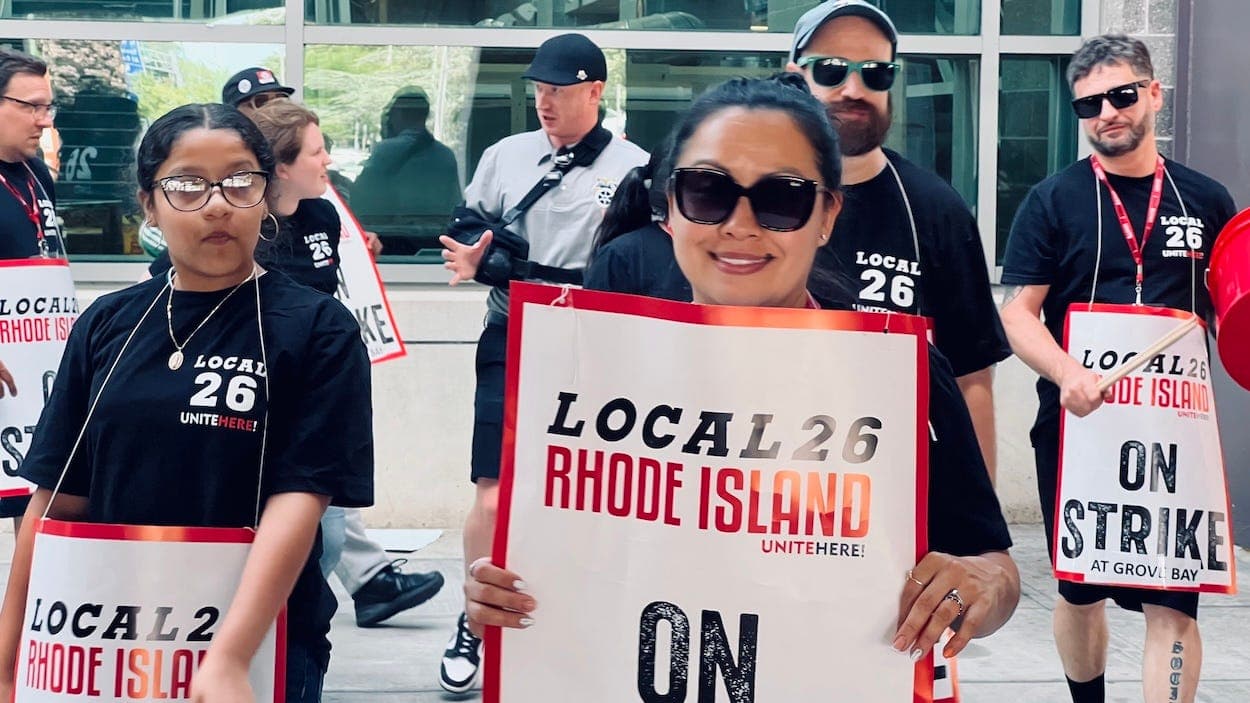
Chipotle workers should know federal law does not require lunch breaks
Many Chipotle workers assume lunch breaks are automatic. Federal law says they are not, and the real rules change with state law, company policy, and how the shift is coded.
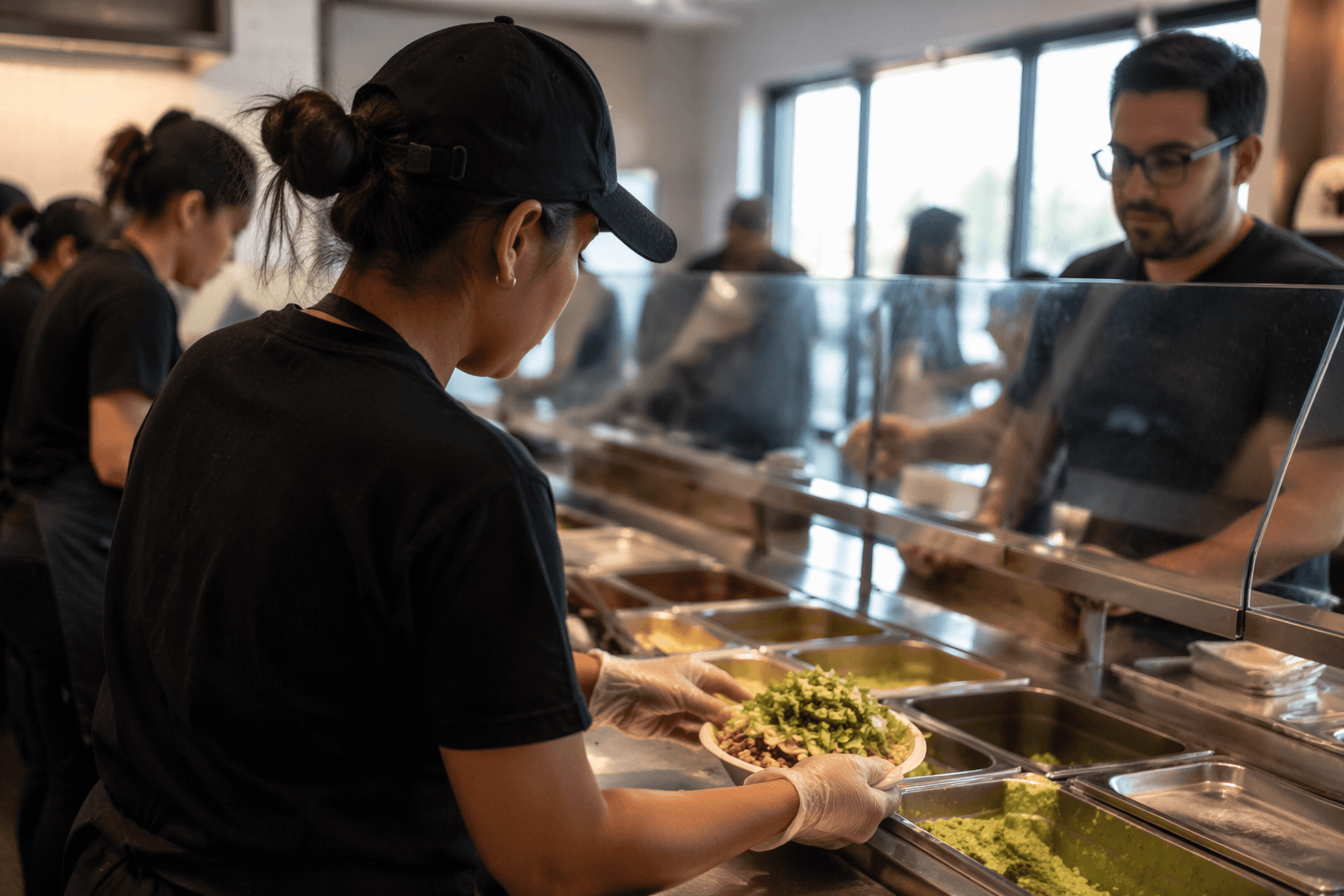
If you work a Chipotle line, prep station, cash register, or manager shift, the break question is not as simple as “lunch is required.” Federal law does not require employers to give lunch or coffee breaks, and that misconception can lead to bad schedules, missed pay, and payroll mistakes when a busy shift blurs the difference between a quick pause and a true meal period.
The practical problem is that restaurant work rarely feels like a clean clock-in, clock-out day. One minute you are wrapping burritos, the next you are on expo, dish, or manager coverage, and the pace can make a break seem more informal than it really is. But time still has to be classified correctly, because the way a break is treated affects wages, overtime, and how a manager builds the shift.
What federal law actually says
The Fair Labor Standards Act does not require employers to provide meal periods or rest breaks. The U.S. Department of Labor also says that when employers do offer short breaks, usually about 5 to 20 minutes, those breaks are generally compensable work time. That matters because a short break is not the same thing as an unpaid meal period, even if both happen during a fast-moving restaurant shift.
For Chipotle workers, the key point is that federal law sets a floor, not a full break policy. If a restaurant is only looking at federal rules, it can miss the separate rules that control how a break should be paid, whether it counts toward hours worked, and how it interacts with overtime. That is where confusion starts, especially when the line gets slammed and everyone is moving between prep, service, and cleanup.
The same federal guidance says that if an employee works in a state that does not require breaks or meal periods, those benefits become a matter of agreement between the employer and the employee, or their representative. In other words, if state law is silent, company policy and local practice matter a lot more than many workers realize.
Why Chipotle’s size makes this a live issue
Chipotle is large enough that these federal rules are not theoretical. The restaurant and fast-food industry is covered by the Fair Labor Standards Act when annual gross sales from one or more establishments total at least $500,000, and Chipotle easily sits inside that system. As of Dec. 31, 2025, Chipotle said it operated 4,056 restaurants, including 14 international partner-operated restaurants, and its careers page says the company has restaurants across 3,200+ locations.
That scale means a small misunderstanding in one store can turn into a payroll problem across a whole region if managers are not classifying time the same way. A crew member who thought a short reset was unpaid could find their timecard does not match federal rules. A kitchen manager who treats a meal break like a regular off-the-clock pause can accidentally create wage issues or staffing gaps later in the week.
This is why break rules are not just an HR detail. At a chain built around speed and throughput, the difference between a paid short break and an unpaid meal period affects how many people are on the line, when coverage has to rotate, and whether a shift still works when someone runs late getting back.
State law can be much stricter than federal law
California is the clearest example for Chipotle workers because state law goes beyond the federal baseline. The California Department of Industrial Relations says employers generally must provide an unpaid, off-duty meal period of at least 30 minutes to an employee who works more than five hours. That is a very different standard from federal law, which does not require meal periods at all.
California also treats meal and rest-break violations seriously. Regulators say a violation can trigger one additional hour of pay under Labor Code section 226.7, and that pay is treated as a wage subject to a three-year statute of limitations. For workers, that can change the value of a missed break. For managers, it raises the stakes of scheduling and timekeeping mistakes.
The state framework was clarified in Brinker Restaurant Corp. v. Superior Court, a California Supreme Court case that became a major precedent for meal- and rest-break obligations in restaurant workplaces. That case matters because it shaped how employers think about offering compliant breaks in busy, high-turnover settings where people are constantly covering for one another.
Local enforcement can add another layer
Chipotle has also faced scrutiny outside California. In 2024, the company agreed to pay $2.9 million in a Seattle labor settlement involving 1,853 employees across eight locations. The settlement is a reminder that city and local labor rules can create real costs when scheduling or break practices do not match what the law requires.
That is the part workers often miss. A schedule that looks normal in one state may be noncompliant in another, and a practice that seems harmless on the floor can become expensive once a city investigates. In restaurant work, the gap between “that is how we always do it” and “that is what the law allows” can be wide.
For employees, the practical takeaway is simple: do not assume your break status is correct just because the shift felt hectic or because the manager called it standard. The pace of a Chipotle store can make everything feel improvised, but the rules around pay and break time are still supposed to be precise.
What to verify instead of assume
Before you rely on a schedule, a timecard, or a manager’s quick answer, check three things:
- Whether your state requires meal periods or rest breaks
- Whether the break you took was a short paid break or a bona fide meal period
- Whether store policy matches both state law and your actual payroll treatment
That checklist matters because the law does not care how busy the line was. It cares how the time was classified. For Chipotle workers, that distinction can affect a paycheck, an overtime calculation, and whether a manager’s staffing plan holds up over the full week.
The larger lesson is not that every restaurant break policy is broken. It is that break rules are fragmented, and the burden often falls on hourly workers and front-line managers to know the difference. At a company with thousands of restaurants and a constant need for coverage, the safest assumption is the simplest one: verify the rules first, then trust the schedule.
This article was produced by Prism’s automated news system from verified source data, official records, and press releases, then run through automated quality and moderation checks before publishing. The system is built and supervised by the people who set the standards it runs under. Read our full AI policy.
Did this article answer your question?