Chipotle workers should know their rights under FMLA leave rules
FMLA can protect Chipotle workers when pregnancy, illness, or caregiving hits. Knowing the 12-week rule before a crisis can keep a job and health coverage intact.
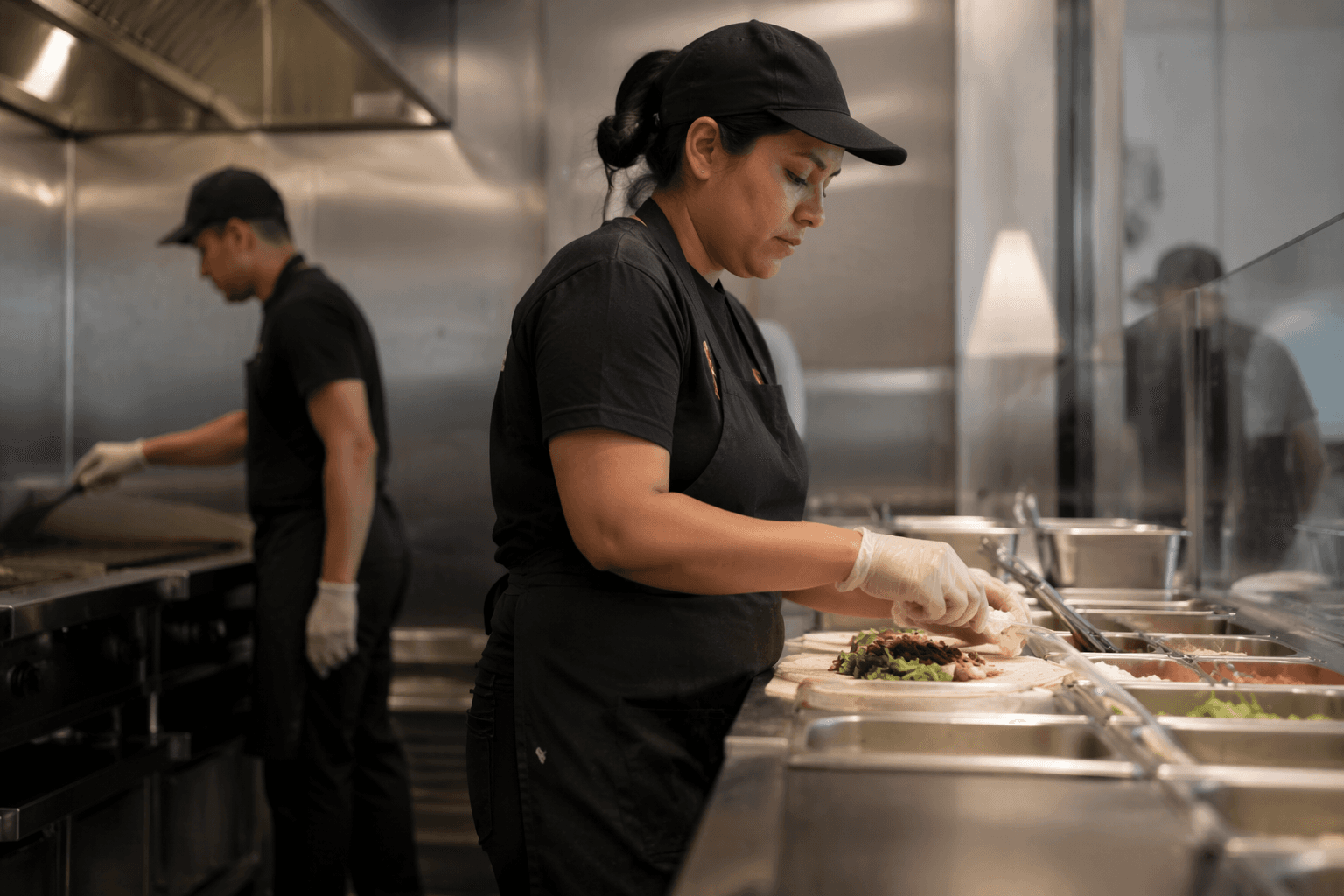
A sudden diagnosis, a pregnancy complication, or a family medical emergency can collide with a Chipotle schedule fast. For eligible U.S. workers, the Family and Medical Leave Act can provide up to 12 weeks of unpaid, job-protected leave and requires group health benefits to stay in place during that time. That matters in a restaurant where the line still has to move, shifts still have to be covered, and a missed paycheck can quickly become a crisis.
What FMLA does for restaurant workers
FMLA is one of the most important federal workplace protections to understand before you need it. The law was signed in 1993 by President Bill Clinton, and it was designed to give workers time away from work for family and medical reasons without losing their job protection. Clinton later said the law had already benefited more than 20 million Americans by 2000, and that more than 35 million working Americans had taken family or medical leave since 1993 by 2001.
For Chipotle workers, the law can matter during pregnancy, serious illness, caregiving, or recovery from a health condition. The key point is that FMLA is not paid leave, and it is not automatic. It sets a federal floor of protection, not a ceiling, so state or local laws may add more rights, but they do not replace the basic federal standard.
Who may qualify
The U.S. Department of Labor says employees are generally eligible only if they work for a covered employer, have worked there for at least 12 months, have at least 1,250 hours of service in the 12 months before leave starts, and work at a location where the employer has at least 50 employees within 75 miles. That last part matters in a restaurant chain as large as Chipotle Mexican Grill, which says it operates more than 3,200 restaurants.
For crew members, kitchen managers, service managers, apprentices, and general managers, those thresholds can determine whether a serious medical event becomes protected leave or simply a scheduling headache. The Labor Department’s worker materials also explain who may be covered, when an employee may be eligible, and how the leave request process works. Knowing those basics before an emergency hits can help workers ask the right questions instead of guessing under pressure.
Why this matters at Chipotle
Restaurant work is physical, fast-moving, and hard to step away from without ripple effects. That is exactly why leave rules matter in a Chipotle kitchen, where one absence can affect prep, service, closing, and the pace of the whole line. Managers benefit from knowing the rules too, because leave mistakes often happen when front-line leaders do not recognize that a health issue or caregiving situation may be protected.
Chipotle has also said it offers wellness benefits across its roughly 3,200-plus restaurants. In 2018, the company said it was expanding paid parental leave and other benefits for all 71,000 employees, including hourly managers and salaried workers. That does not replace FMLA, but it can help bridge the gap when unpaid leave would otherwise be hard to absorb.
Pregnancy, new parenthood, and other overlapping protections
FMLA is especially important for pregnant workers, new parents, and employees dealing with medical recovery. The Equal Employment Opportunity Commission says the Pregnant Workers Fairness Act took effect on June 27, 2023, and expands rights to reasonable accommodations for pregnancy, childbirth, or related medical conditions. The agency also says pregnant workers and new parents may have additional rights under FMLA, and some workers may also be protected under the Americans with Disabilities Act or Title VII.
That overlap matters in a workplace where a worker may need time off, a lighter duty assignment, or a schedule adjustment after a medical event. FMLA is one tool in that larger rights picture. It can protect time away from work, while other laws may protect accommodations or guard against discrimination tied to pregnancy or a medical condition.
Chipotle’s own sick-leave policy is part of the picture
Chipotle says restaurant employees are automatically given three days of sick leave from their first day of employment. The company says that policy helps reduce the risk of contamination from employee illness, which is a food-safety concern as much as a labor issue. For workers, that means the first response to a short illness may be a company sick day, while a longer medical problem may move into FMLA territory if the legal requirements are met.
That distinction is useful because not every health problem needs a federal leave request, but every worker should know when a short absence becomes something bigger. In a restaurant environment, the wrong assumption can cost time, income, or even job protection. Knowing the difference before you are exhausted, hospitalized, or caring for someone else can make the process far less chaotic.
What workers and managers should do before a crisis
The smartest time to think about FMLA is before the emergency. Workers should know their hire date, keep track of their hours, and understand whether their work location likely meets the 50-employees-within-75-miles threshold. If a serious health condition, pregnancy-related issue, or caregiving need arises, the next step is to ask informed questions quickly rather than assume leave will be denied or automatically approved.
Managers should treat leave requests as a compliance issue, not just a scheduling problem. In a restaurant that moves fast, it is easy to focus on coverage and forget that a family or medical issue may be protected. But FMLA exists to give workers time when they need it most, and for Chipotle employees that means a crisis should not force them to learn the rules from scratch while they are already under strain.
This article was produced by Prism’s automated news system from verified source data, official records, and press releases, then run through automated quality and moderation checks before publishing. The system is built and supervised by the people who set the standards it runs under. Read our full AI policy.
Did this article answer your question?