Department of Labor wage case warns Chipotle on overtime compliance
A federal court ordered four Washington restaurants to pay $750,000 after overtime and retaliation violations, a warning for Chipotle crews and managers.
A federal court in Eastern Washington ordered four Rancho Chico restaurants to pay $750,000 in back wages and damages to 42 workers after the Labor Department found overtime, retaliation and child labor violations. For Chipotle crew members and managers, the case is a blunt reminder that a shift that runs long, or a pay issue that is brushed off, can turn into a formal enforcement action fast.
The Labor Department said the restaurants failed to pay time-and-one-half for hours over 40 in a workweek, and that some nonexempt workers were paid on a salaried basis, which pushed pay below the federal minimum wage of $7.25 an hour. The order covered restaurants in Spokane, Colville and Omak, and it followed a default after owners Nolberto Rodríguez and Guillermina Rodríguez had already agreed to pay back wages. The agency also said investigators found unlawful retaliation after an employee filed a wage complaint, along with child labor violations tied to hazardous equipment.
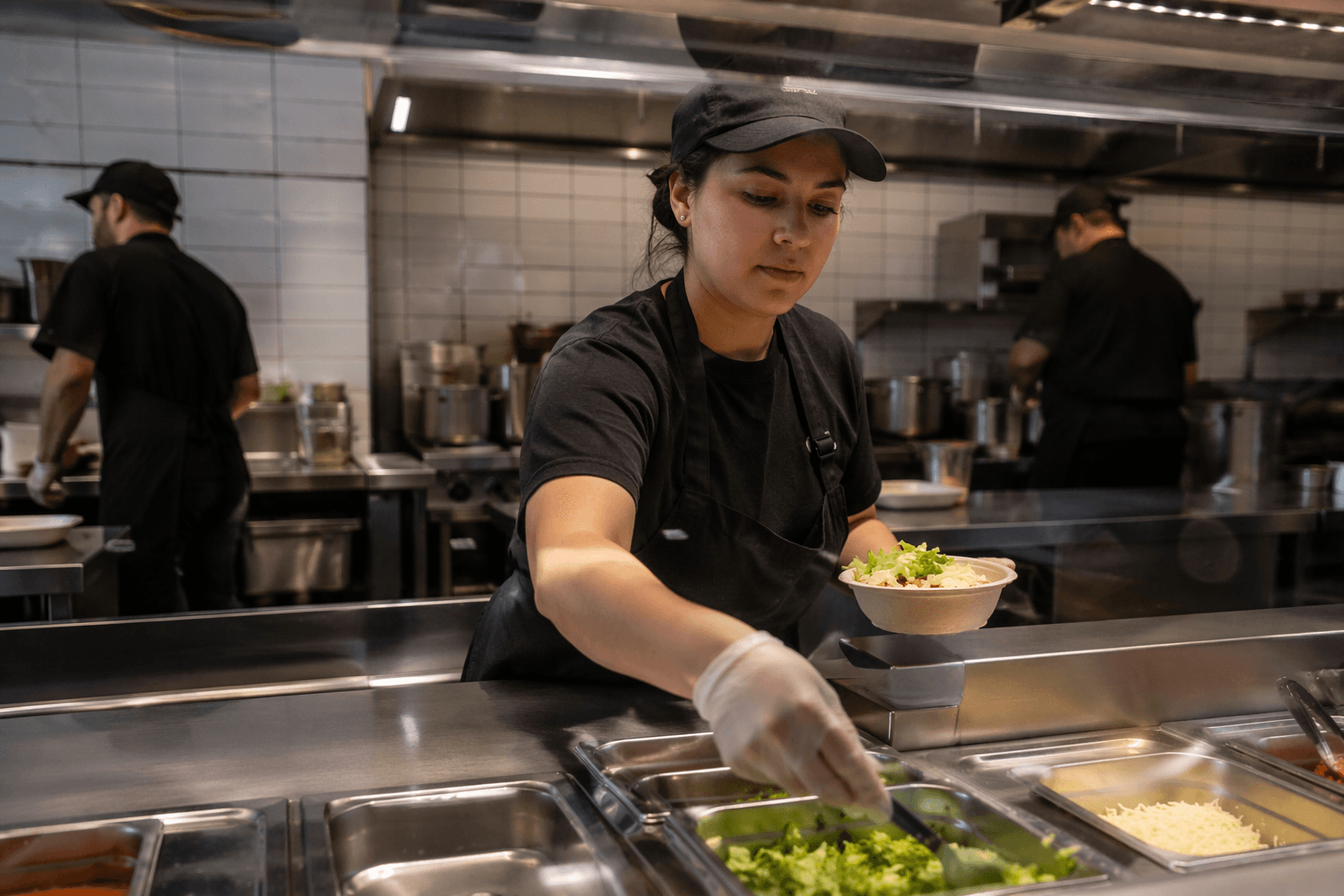
That mix of problems is the payroll breakdown restaurant workers should watch for: off-the-clock work, missed overtime, and records that do not match the real shift on the floor. In a Chipotle kitchen, where pace, throughput and digital orders can stretch a close well past the posted schedule, a line worker who keeps slicing, cleaning or restocking after clock-out can create the exact kind of wage claim that ends in back pay and penalties. Managers need timekeeping records, schedule swaps and break logs to line up with what actually happened, not what the schedule was supposed to say.
Chipotle has already faced that kind of scrutiny in Seattle. On April 11, 2024, the city’s Office of Labor Standards announced a nearly $3 million settlement with Chipotle Mexican Grill covering 1,853 employees across eight Seattle locations, the largest settlement under the city’s Secure Scheduling Ordinance since it took effect in July 2017. The city said the case involved secure scheduling, paid sick and safe time, retaliation and short-notice schedule changes, all issues that can start with a single bad shift change and spread across a store’s payroll.
A Seattle-area Chipotle worker filed a proposed class action in Washington state court in April 2026 alleging violations of Seattle’s predictable-schedule and timely-pay rules. That filing landed as Washington’s wage-and-hour enforcement got tougher: HB 2479 took effect on June 11, 2026, increasing penalties, expanding Labor and Industries’ investigative authority and creating a wage recovery program. For restaurant operators, the message is simple: the real risk is not one bad punch correction, but a system that keeps missing hours, breaks and overtime until a lawsuit forces the math.
This article was produced by Prism’s automated news system from verified source data, official records, and press releases, then run through automated quality and moderation checks before publishing. The system is built and supervised by the people who set the standards it runs under. Read our full AI policy.
Did this article answer your question?