DOL overtime ruling highlights bonus pay risks for Chipotle managers
The Labor Department’s $1.73 million back-pay case shows how missed bonuses can quietly shrink overtime, a risk for Chipotle’s bonus-heavy restaurants.
The Department of Labor recovered $1,730,598 for 1,666 hourly workers after finding that The State Group Industrial (USA) Ltd. Inc. left incentive bonuses out of the regular-rate calculation and underpaid overtime at Ford Motor Co.’s electric vehicle and battery manufacturing campus in Stanton, Tennessee. The June 23 announcement set average back wages at more than $1,000 per worker.
Restaurant and fast-food businesses with annual gross sales of at least $500,000 are covered by the Fair Labor Standards Act, and covered non-exempt workers are owed overtime at time and one-half their regular rate for hours over 40 in a workweek. Job titles alone do not determine whether a restaurant manager is exempt; duties and salary have to meet the test. The regular-rate formula cannot be avoided by agreement, and nondiscretionary bonuses generally must be included when overtime is calculated.
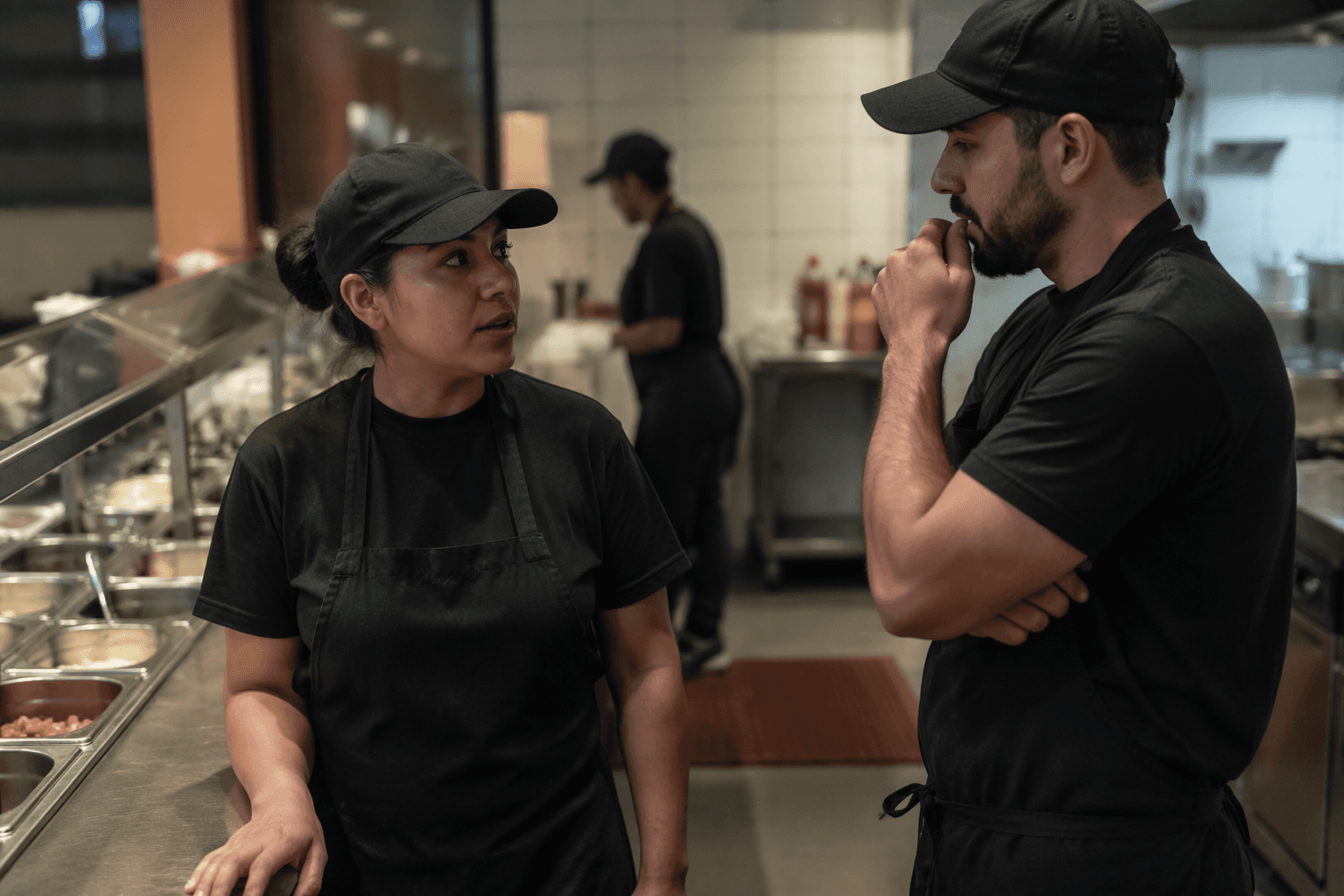
In restaurants that rely on changing schedules, premium shifts and incentive pay, bonuses can be easy to overlook even when they belong in the overtime calculation. Any pay structure that includes extra compensation tied to hours worked, performance or attendance, then fails to flow that money through the regular rate, can underpay overtime.
In January 2024, Chipotle employed more than 110,000 people and was hiring 19,000 additional workers for burrito season. In February 2025, it planned to hire 20,000 more for the same March-through-May rush. Chipotle says its all-crew bonus program allows restaurant employees to earn up to an extra month’s worth of pay each year.
Chipotle says crew members can reach a Restaurateur role in as little as 3.5 years with potential total compensation of about $100,000 while leading a multimillion-dollar business.
This article was produced by Prism’s automated news system from verified source data, official records, and press releases, then run through automated quality and moderation checks before publishing. The system is built and supervised by the people who set the standards it runs under. Read our full AI policy.
Did this article answer your question?