EEOC warns Chipotle and restaurants on harassment rules
EEOC says harassment is discrimination, and Chipotle's own code bans retaliation after reports. Recent cases show how fast a shift can turn illegal.
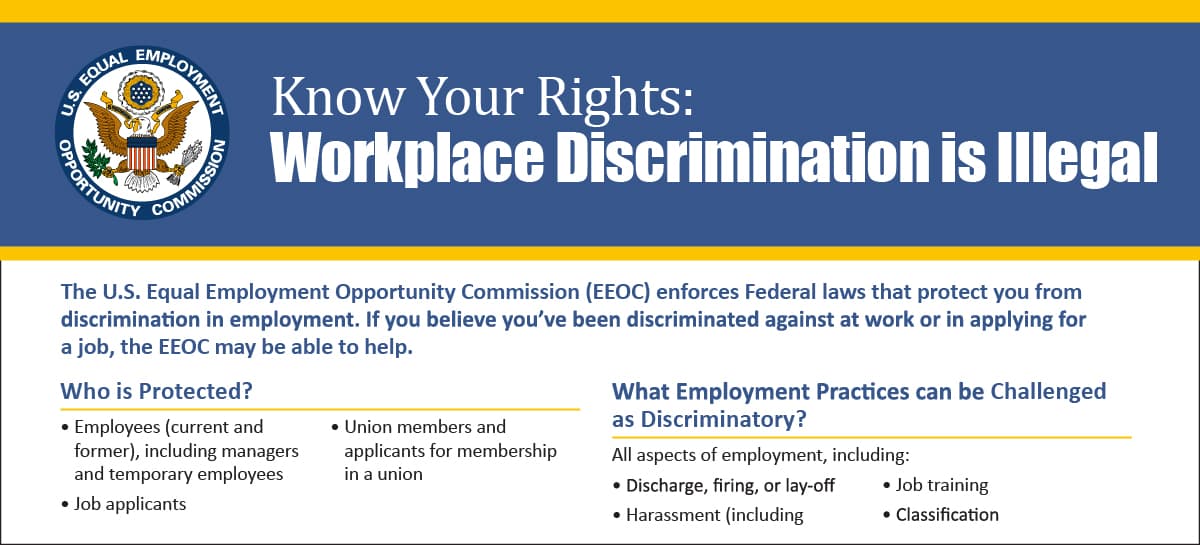
The Equal Employment Opportunity Commission treats harassment as a form of workplace discrimination, and in a restaurant that can turn a normal shift into a legal problem fast. In close quarters, under pressure and with managers controlling schedules, a hostile coworker or a bad supervisor can make the job feel intolerable long before a crew member walks off the line.
Federal law bars harassment tied to race, color, religion, national origin, sex, pregnancy-related conditions, sexual orientation, transgender status, disability, age 40 or older and genetic information. The EEOC says harassment becomes unlawful when enduring it becomes a condition of employment, or when it is so severe or pervasive that a reasonable person would see the environment as intimidating, hostile or abusive. Once an employer knows about the conduct, the agency says, it has to correct the situation and protect the worker from more harassment.

That warning lands sharply at Chipotle Mexican Grill, where the company’s code of conduct tells employees they can report discrimination or harassment without fear of reprisal. Chipotle also says retaliation against a worker who makes a good-faith complaint or cooperates in an investigation is prohibited, which gives crew members, kitchen managers, service managers, apprentices and general managers a concrete standard to hold the company to when a shift goes wrong.
The EEOC’s enforcement record shows why workers keep watching these cases closely. In fiscal year 2023, the agency said it received more than 7,700 sexual-harassment charges, the highest total in 12 years and up nearly 25% from the year before. Last fiscal year, it received 31,354 charges involving harassment, the highest since it began tracking those numbers in fiscal year 2010.
Chipotle has already faced recent scrutiny. In May 2024, the EEOC said Chipotle would pay $50,000 to resolve a sexual-harassment case involving a former crew member in Prattville, Alabama. The agency said the alleged conduct began in October 2019 and included daily unwanted sexual advances, sexual comments and sexually offensive conduct, including sexual contact. In August 2024, an Eighth Circuit opinion in Famuyide v. Chipotle described allegations of coworker harassment and rape in 2021, along with hostile-work-environment and retaliation claims. A separate Kansas federal case in 2024 and 2025 involved allegations of religious harassment and retaliation.
For a worker on the line, the first step is to document what happened, when it happened, who was involved and who saw it. Report it through the company’s channels as soon as possible, especially if a manager is involved. If the behavior continues, or if retaliation starts after the complaint, the EEOC’s guidance is clear: the company is supposed to act, and the law is designed to protect the worker from being punished for speaking up.
This article was produced by Prism’s automated news system from verified source data, official records, and press releases, then run through automated quality and moderation checks before publishing. The system is built and supervised by the people who set the standards it runs under. Read our full AI policy.
Did this article answer your question?