FDA pushes traceability rule as Chipotle food safety focus grows
FDA's traceability push turns Chipotle food safety into a records-and-training job, where labels, logs and lot numbers matter as much as prep.

On March 20, 2025, FDA said it intended to extend the Food Traceability Rule’s compliance date by 30 months. Even with that extension, FDA is sharpening the rules around traceability, allergen labeling, employee health, and retail-food documentation, which means the records behind the food now matter almost as much as the food itself. For crew members and managers, that changes what good work looks like on an ordinary shift.
What FDA expects restaurant teams to have in hand
FDA’s retail food protection page maps the agency’s restaurant-facing priorities. It pulls together the Food Code reference system, employee health and hygiene materials, foodborne-illness risk reduction guidance, food defense resources, emergency response references, and training tools for retail food stores and food service establishments.
The Food Code is the backbone of that system. The 2022 edition provides a uniform model for safe retail and food-service food handling, and FDA marked 30 years of the Food Code in 2023.
FDA’s Human Foods Program intends to make significant strides in 2026 to protect and promote public health. For restaurant teams, that signals more attention to the same issues that already show up in daily operations: temperature control, illness reporting, sanitation logs, supplier records, and the ability to explain what happened when a question comes in from a regulator, a customer, or a corporate auditor.
Why traceability is now a front-line restaurant issue
The Food Traceability Rule was finalized on November 21, 2022, and it applies to foods on the Food Traceability List. It requires additional recordkeeping beyond existing regulations so the chain of custody for covered foods can be reconstructed faster and more accurately if there is a safety problem.
That implementation has stayed active in 2026. FDA held a public meeting on June 15 focused on continued rollout of the rule, with specific attention to lot-level tracking and compliance flexibilities. Those are technical phrases, but the practical meaning is straightforward: if a product is questioned, the restaurant and its suppliers need to know not just what arrived, but which lot it came from, where it went, and what records prove it.
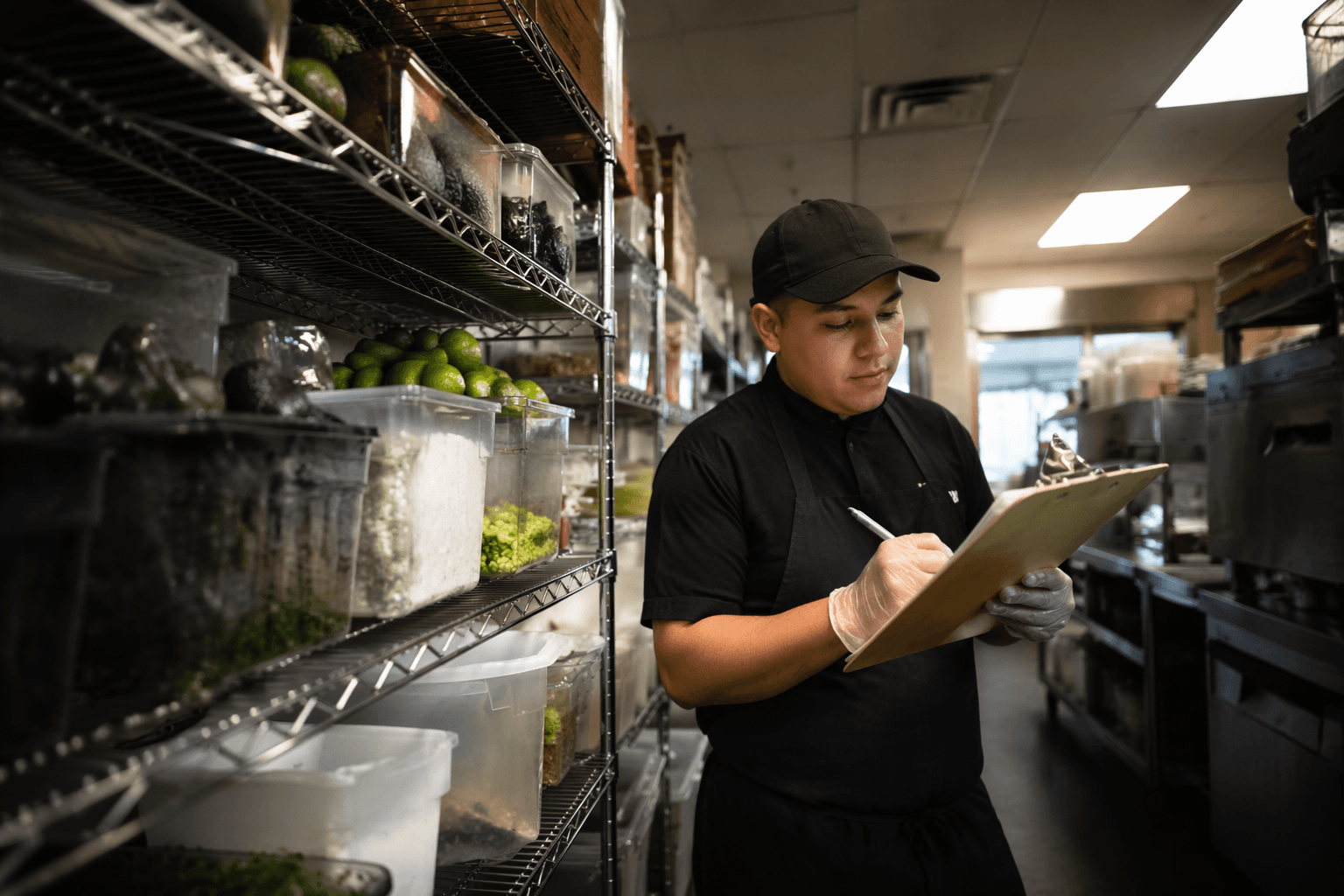
For Chipotle employees, that turns familiar habits into safety infrastructure. Receiving checks matter because the chain starts when product comes in. Storage labels matter because they connect ingredients to dates, lots, and handling rules. Cleaning logs matter because they show whether the kitchen followed process. Escalation matters because a problem that reaches the line without being reported quickly becomes harder to contain.
The daily routines that now carry more weight
The best way to think about FDA’s guidance is as a systems test. If a manager can match the Food Code framework with employee-health rules and traceability records, the restaurant is better prepared for audits, recalls, and day-to-day quality control. If those pieces live in different binders, different apps, or different heads, the gap shows up the moment an audit, recall, or other unusual question hits the store.
That is especially true in a brand that sells freshness as part of the experience. Chipotle’s food is assembled in public, but the safety picture is built out of earlier steps that customers do not see: supplier paperwork, lot tracking, illness reporting, and the discipline to keep logs current during a busy lunch rush.
Allergens now sit inside the same system
FDA added sesame as the ninth major food allergen under the FASTER Act, and foods packaged on or after January 1, 2023 must list sesame on the label. For restaurant teams, that is not a minor labeling footnote. It makes allergen handling part of the same documentation culture that traceability demands, especially when stores package food, handle prepared ingredients, or need to answer questions about cross-contact.
The agency hosted a webinar on December 18, 2024, focused on allergen labeling for retail food stores and food service establishments. In practice, that means Chipotle managers need to treat ingredient awareness, label review, and cross-contact control as routine parts of food safety.
Chipotle’s history makes the stakes obvious
These rules land differently at Chipotle because in 2015, CDC investigated two separate outbreaks of Shiga toxin-producing E. coli O26 linked to Chipotle restaurants.
Chipotle’s SEC filing is blunt about the risk: reports or rumors of food-borne illness such as E. coli, hepatitis A, norovirus, or salmonella could hurt reputation and sales. The company’s Food Safety team manages food safety in restaurants and the supply chain, and a Food Safety Advisory Council oversees policy and practice.
For crew members and managers, that means safety now touches the same core disciplines that shape the rest of store life: clear handoffs, accurate logs, fast escalation, and training that sticks on a rushed shift.
This article was produced by Prism’s automated news system from verified source data, official records, and press releases, then run through automated quality and moderation checks before publishing. The system is built and supervised by the people who set the standards it runs under. Read our full AI policy.
Did this article answer your question?