Luckin Coffee adds kiosks in New York, echoing Chipotle's digital shift
Luckin Coffee is adding kiosks in New York as Chipotle doubles down on digital orders, Chipotlanes and a floor built for speed.
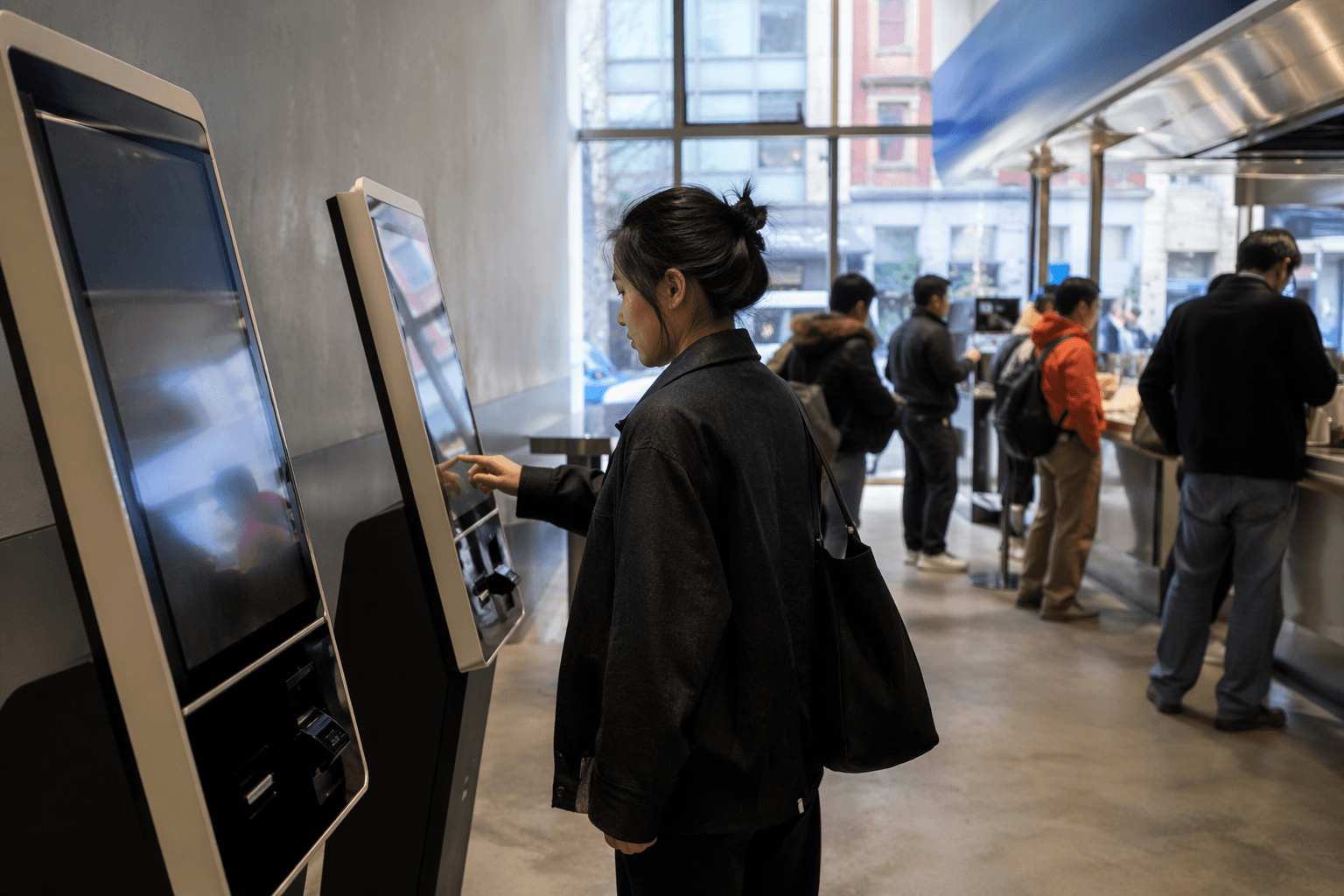
Luckin Coffee is adding self-ordering kiosks to its New York City stores as it opens two more locations, including one in Grand Central Terminal and another at 48th and 3rd. The fast-growing Chinese coffee chain now has around 20 New York City locations, less than a year after opening its first two U.S. stores in the city on June 30, 2025.
The new kiosks matter because they change who does the ordering work. Instead of every customer funneling through a phone app, Luckin is building a front end that can take pressure off mobile ordering and widen the pool of people who can buy without downloading anything first. For the floor, that usually means fewer cash-handling steps and more labor pushed toward drink production, recovery, and keeping the line moving when demand spikes.
That is the same basic labor question Chipotle has been living with as its digital business keeps expanding. In the second quarter of 2025, digital sales made up 35.5% of total food and beverage revenue, and the chain opened 61 company-owned restaurants, 47 with Chipotlanes. In the first quarter, digital sales were 35.4% of revenue, and 48 of 57 company-owned openings included a Chipotlane. In full-year 2024, Chipotle opened 304 company-owned restaurants, 257 with a Chipotlane, and reached its 1,000th Chipotlane milestone in November 2024.
Chipotle’s 2026 Recipe for Growth strategy puts the emphasis on transactions, accuracy, efficiency and speed. That is a useful lens for reading Luckin’s move. A kiosk does not erase labor in a restaurant; it shifts it. The work moves away from the register and toward the make line, where the real bottleneck is often whether a crew can build drinks or meals fast enough, with enough accuracy, when a rush hits. On a busy shift, the difference between a smooth front of house and a jammed one is often who is solving problems in real time, not who is greeting guests at the counter.
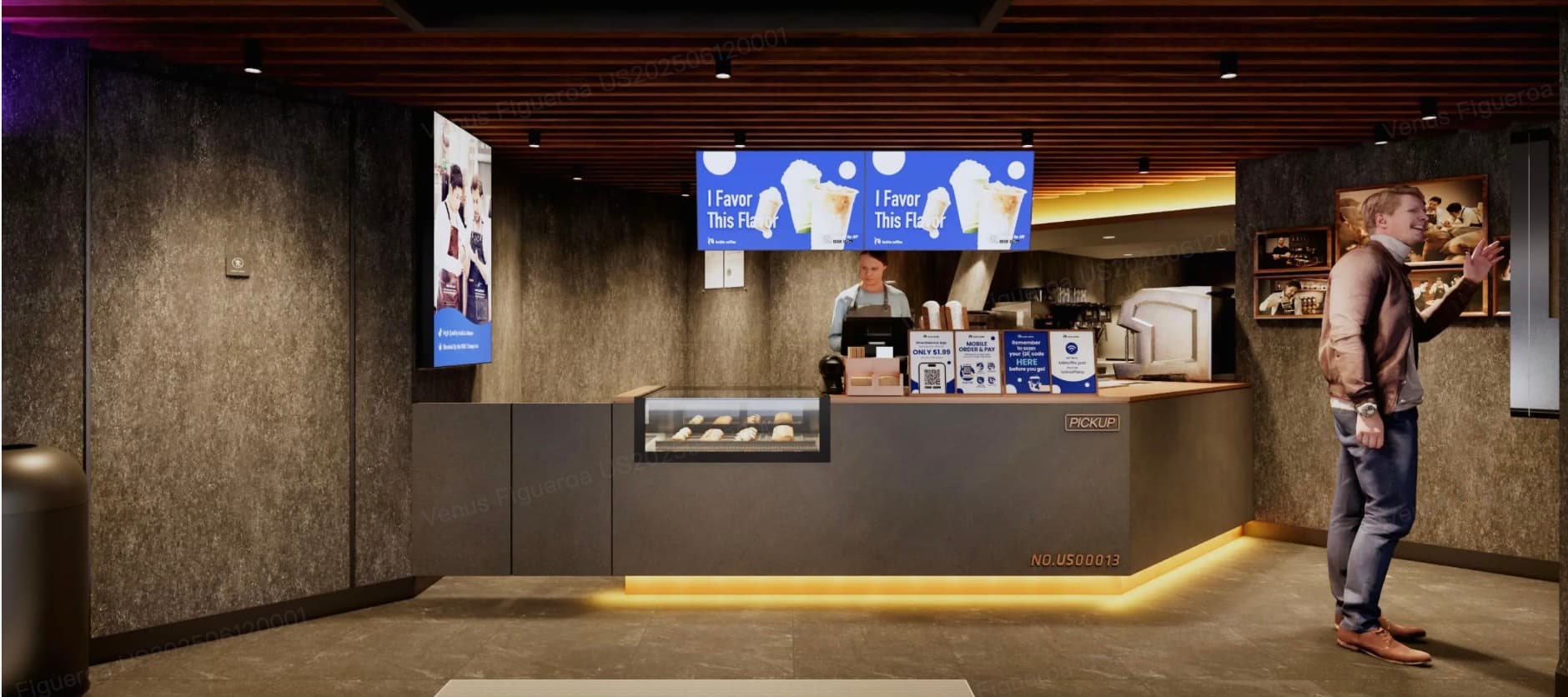
Chipotle has taken a different route, leaning on app ordering, delivery and separate digital production capacity rather than kiosks at the front. That makes Luckin’s New York rollout a sharper test case for the industry: self-service can make ordering simpler for guests, but it also changes where the pressure lands on the restaurant team. If the front end gets easier, the line has to get faster.
This article was produced by Prism’s automated news system from verified source data, official records, and press releases, then run through automated quality and moderation checks before publishing. The system is built and supervised by the people who set the standards it runs under. Read our full AI policy.
Did this article answer your question?