NLRB Starbucks rulings signal tougher labor scrutiny for Chipotle workers
NLRB rulings against Starbucks over interrogation and discipline show labor enforcement is still active, a warning for Chipotle workers watching union activity and retaliation cases.

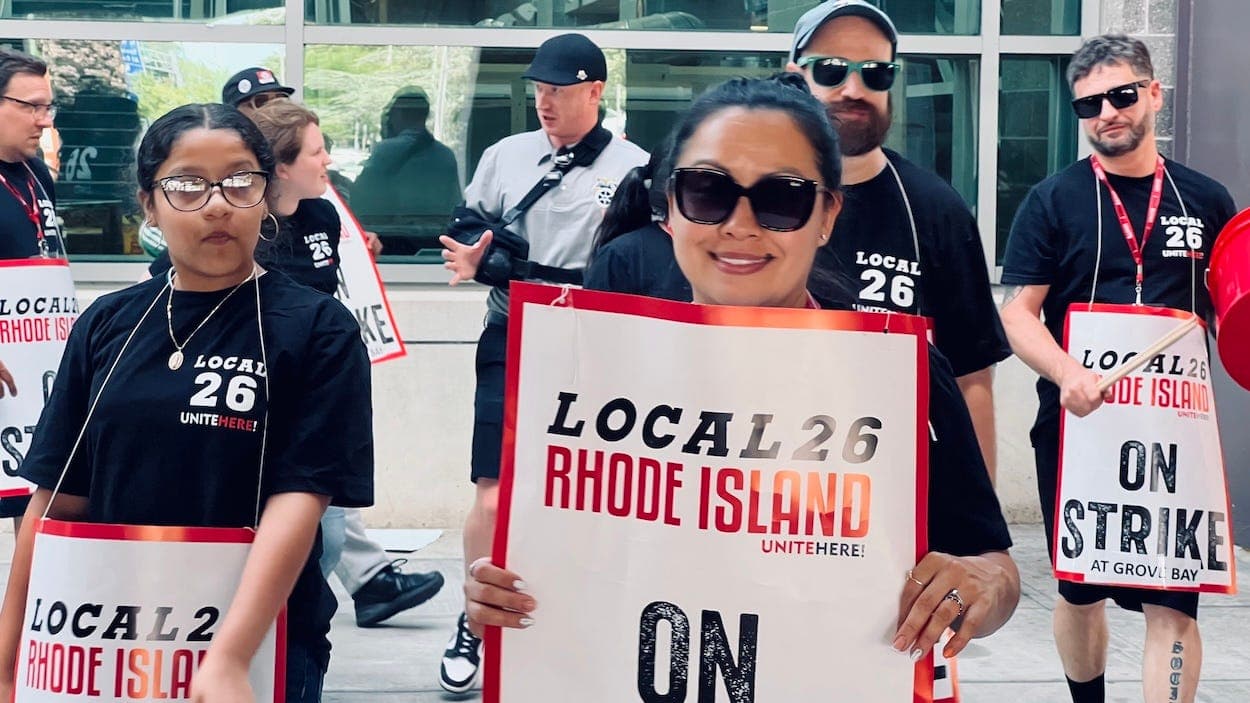
The National Labor Relations Board’s latest rulings against Starbucks sent a clear message across restaurant kitchens and prep lines: questions about strike activity and punishment for union support can still trigger serious legal exposure. For Chipotle workers and managers, the timing matters because the same board is still weighing allegations that the chain denied raises to unionized employees and disciplined workers for organizing.
The Starbucks decisions, issued in June 2026, involved stores in the Pacific Northwest and centered on conduct the board said crossed the line. One ruling found unlawful interrogation of striking employees about strike participation. Another found unlawful discipline of union supporters. The board’s case files also show the disputes moving through Seattle, Washington, Portland, Oregon, Beaverton, Oregon, and Everett, Washington, with a Beaverton case filed Sept. 16, 2025, and Everett matters marked by complaints and amended charges in 2025 and 2026.

That is not abstract labor-law talk for Chipotle. The company’s first U.S. location to unionize was the Lansing-area restaurant in Delta Township, Michigan, where workers voted 11-3 in August 2022 to join Teamsters Local 243. The bargaining unit covered full-time and regular part-time crew members at 5805 West Saginaw Highway, and the store became a touchstone for Chipotle organizing nationwide.
The legal fight did not stop at the vote. NLRB case 07-CA-348753 was filed Aug. 13, 2024, and remained active in 2026. Coverage of the matter says the board found merit to claims that Chipotle denied raises to unionized workers and disciplined employees for organizing. A separate allegation involving surveillance was still under investigation. For hourly workers, that means conversations about pay, schedules, and union support remain protected territory. For supervisors, it means discipline tied to organizing activity can create real legal risk.
The Lansing story also shows how hard it has been to turn a first union election into a lasting bargaining relationship. Teamsters Local 243 withdrew and disclaimed interest in April 2026, and the store lost its union backing after more than three years without a contract. That outcome does not erase the organizing vote or the board cases around it. It does, however, underline how fragile restaurant labor gains can be when bargaining stalls.
Chipotle has seen this terrain before. In Augusta, Maine, the company later agreed to a $240,000 settlement to former employees after the board ruled that closing the store after workers filed for a union election was illegal. Taken together, the Starbucks rulings and the Chipotle record show the same thing: in 2026, the labor board is still willing to test management conduct against the law, especially when workers start talking together about strikes, raises, or organizing.
This article was produced by Prism’s automated news system from verified source data, official records, and press releases, then run through automated quality and moderation checks before publishing. The system is built and supervised by the people who set the standards it runs under. Read our full AI policy.
Did this article answer your question?