Oklahoma rejects wage hike, keeping Chipotle pay floor at $7.25
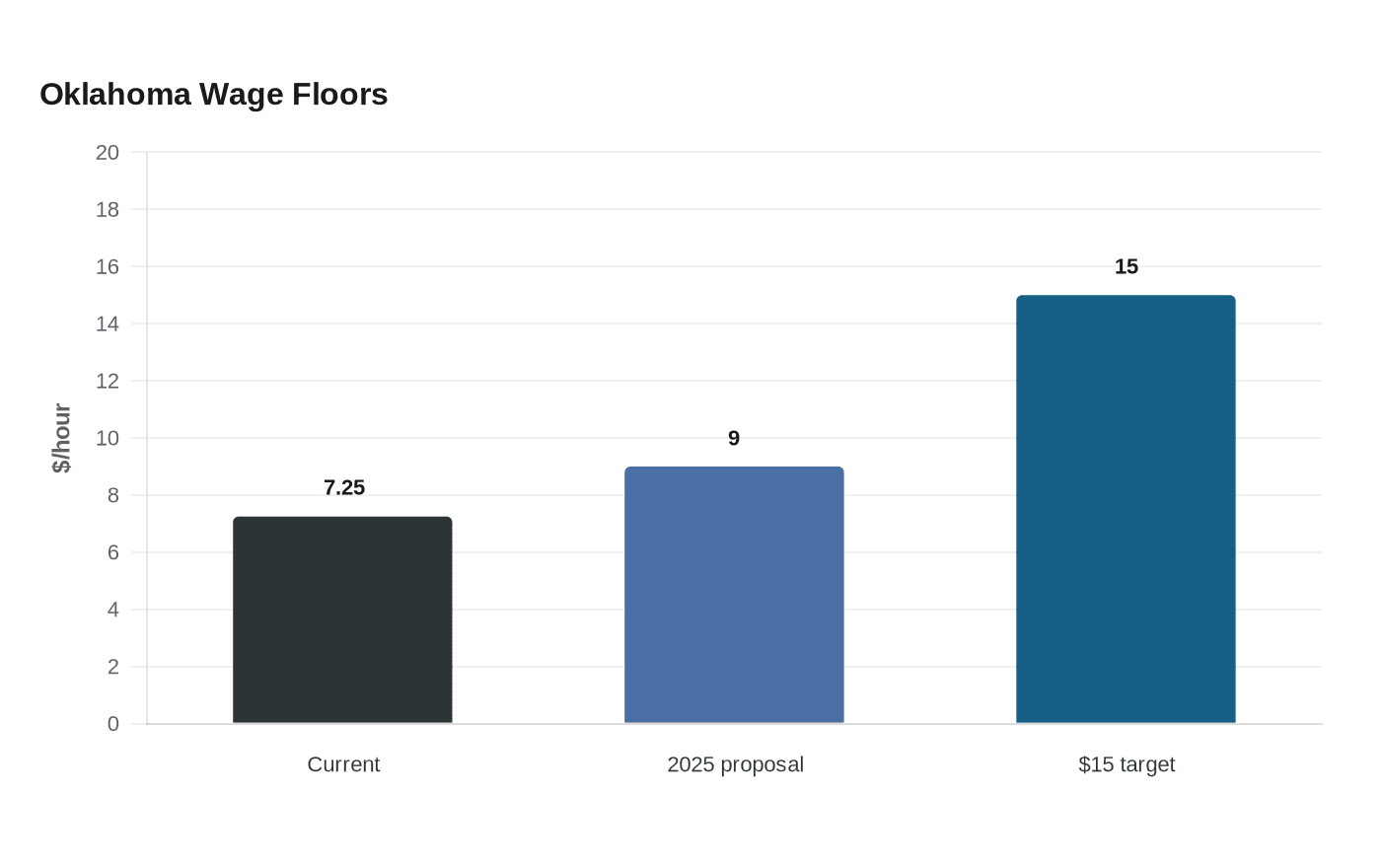
Oklahoma voters kept the state’s wage floor at $7.25, blocking a plan to reach $15 by 2029 and then rise with inflation.

Oklahoma voters rejected State Question 832 by roughly a ten-point margin, leaving the state minimum wage at $7.25 an hour and stopping a path to $15. The defeated proposal would have lifted the floor to $9 in 2025, added $1.50 a year through 2029, and then tied future increases to the Consumer Price Index for Urban Wage Earners and Clerical Workers beginning in 2030.
For Chipotle Mexican Grill, the vote matters because the chain hires in a patchwork labor market, not a single national one. The U.S. Department of Labor says employers must pay the highest applicable federal, state or local minimum wage, so a crew member in Oklahoma can still be tied to a different pay floor than a cook or service manager in a higher-wage city. That gap is part of the daily reality for restaurants that recruit across state lines and compare local pay against neighboring markets.
The Oklahoma measure would also have changed who fell under the state wage law. It would have removed exemptions for part-time employees, some students and minors, farm and agricultural workers, domestic service workers, newspaper vendors or carriers, feedstore employees, and employers covered by the federal Fair Labor Standards Act. Oklahoma’s minimum wage has remained at $7.25 since 2009, which means the rejection kept the state aligned with the federal floor instead of beginning a staged move to a much higher standard.
That outcome does not erase wage pressure inside Chipotle’s own cost structure. In the company’s third quarter of 2025, labor costs were 25.2% of total revenue, up from 24.9% a year earlier, and Chipotle tied part of that increase to wage inflation. In its full-year 2025 results, the Newport Beach, California, chain said revenue reached $11.9 billion and again listed wage inflation and state or local regulations mandating higher minimum wages as business risks.
The campaign itself showed how expensive wage politics has become. Supporters said the measure could have directly affected about 200,000 workers in Oklahoma, while the fight drew close to $3.9 million in spending on both sides. The State Chamber of Oklahoma praised the rejection, and campaign spokesperson Amber England said the effort had still started a broader conversation about what work should mean in the state. For Chipotle managers, the practical takeaway is that wage expectations can still swing with ballot fights, even when the company’s own hiring needs keep pushing pay decisions back to the local market.
This article was produced by Prism’s automated news system from verified source data, official records, and press releases, then run through automated quality and moderation checks before publishing. The system is built and supervised by the people who set the standards it runs under. Read our full AI policy.
Did this article answer your question?