On the Border operator files Chapter 7 liquidation after closures
OTB Hospitality’s Chapter 7 filing left On the Border with five franchised restaurants and as little as $1 million in assets, ending a fast-moving turnaround.
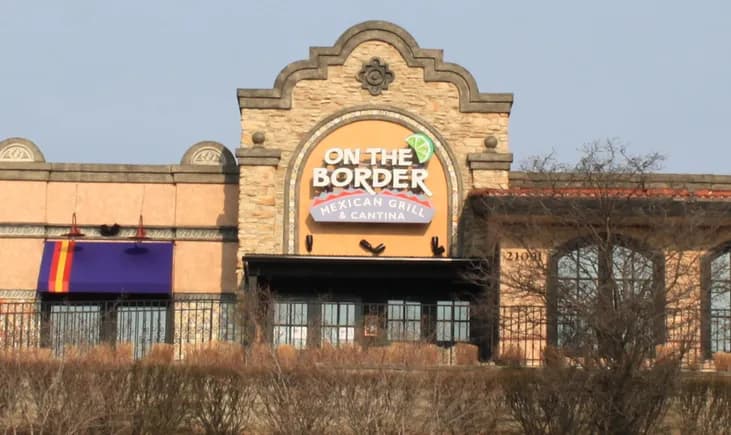
OTB Hospitality filed for Chapter 7 liquidation in the U.S. Bankruptcy Court for the Southern District of Texas after closing scores of company-operated On the Border restaurants, a sign the Tex-Mex chain was no longer trying to shrink and survive but to wind down. By mid-June, the brand was down to just five open locations, all franchised, and workers tied to the chain were left facing the fastest kind of corporate exit in food service.
The filing listed OTB Hospitality with between $500,000 and $1 million in assets and between $1 million and $10 million in liabilities. That gap matters because Chapter 7 is not a cleanup version of Chapter 11; it is a liquidation path, with assets sold off to pay creditors rather than a continued attempt to operate through debt restructuring. For hourly employees, that usually means abrupt store closures, cut hours, and a quick scramble for the next job before the next schedule is posted.
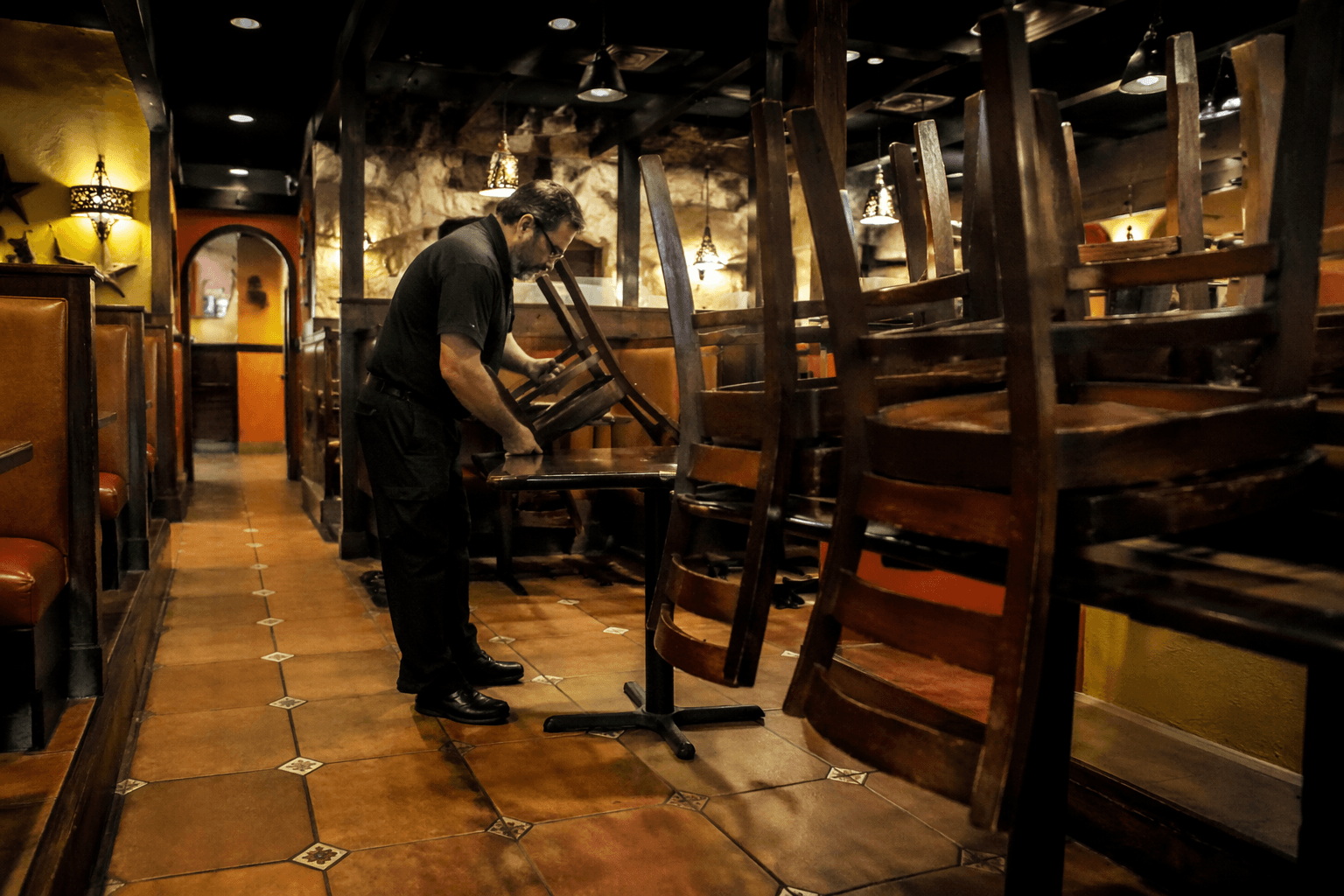
On The Border’s collapse followed a long, familiar arc. The first restaurant opened in Dallas on October 29, 1982, and the brand later changed hands among Brinker International, Golden Gate Capital and Argonne Capital Group before Pappas Restaurants acquired it out of bankruptcy in 2025. When On The Border filed Chapter 11 in March 2025, it had about 60 company-operated restaurants and secured $10 million in debtor-in-possession financing from an affiliate of Pappas Restaurants to keep the process moving. By the end of May 2026, an archived version of the chain’s website listed 35 open locations. Just weeks later, that count had fallen to five franchised stores.
For Chipotle managers and hourly teams, the warning is not about one Tex-Mex brand alone. When a regional chain collapses this quickly, it pushes cooks, shift leads and general managers back into the labor market all at once, which can change hiring dynamics in nearby Chipotle stores overnight. It also shows how fast corporate stress can reach the store level, from reduced labor coverage to a sudden loss of predictability for crew members who depend on steady shifts.
The U.S. Department of Labor says the WARN Act generally requires 60 calendar days of advance written notice for qualifying plant closings and mass layoffs. In practice, liquidation can compress that timeline, especially when a chain is already shedding company-run stores one by one. Restaurant bankruptcies were already piling up in 2024 amid rising labor costs and weak traffic, and On The Border now sits squarely in that pattern: a once-national brand reduced to a handful of franchised outposts and a liquidation process that leaves workers to sort out the fallout.
This article was produced by Prism’s automated news system from verified source data, official records, and press releases, then run through automated quality and moderation checks before publishing. The system is built and supervised by the people who set the standards it runs under. Read our full AI policy.
Did this article answer your question?