OSHA warns Chipotle crews about repetitive strain risks
OSHA says repetitive scooping, chopping, reaching, and standing can be fixed with rotation, stools, and early reporting before pain becomes injury.
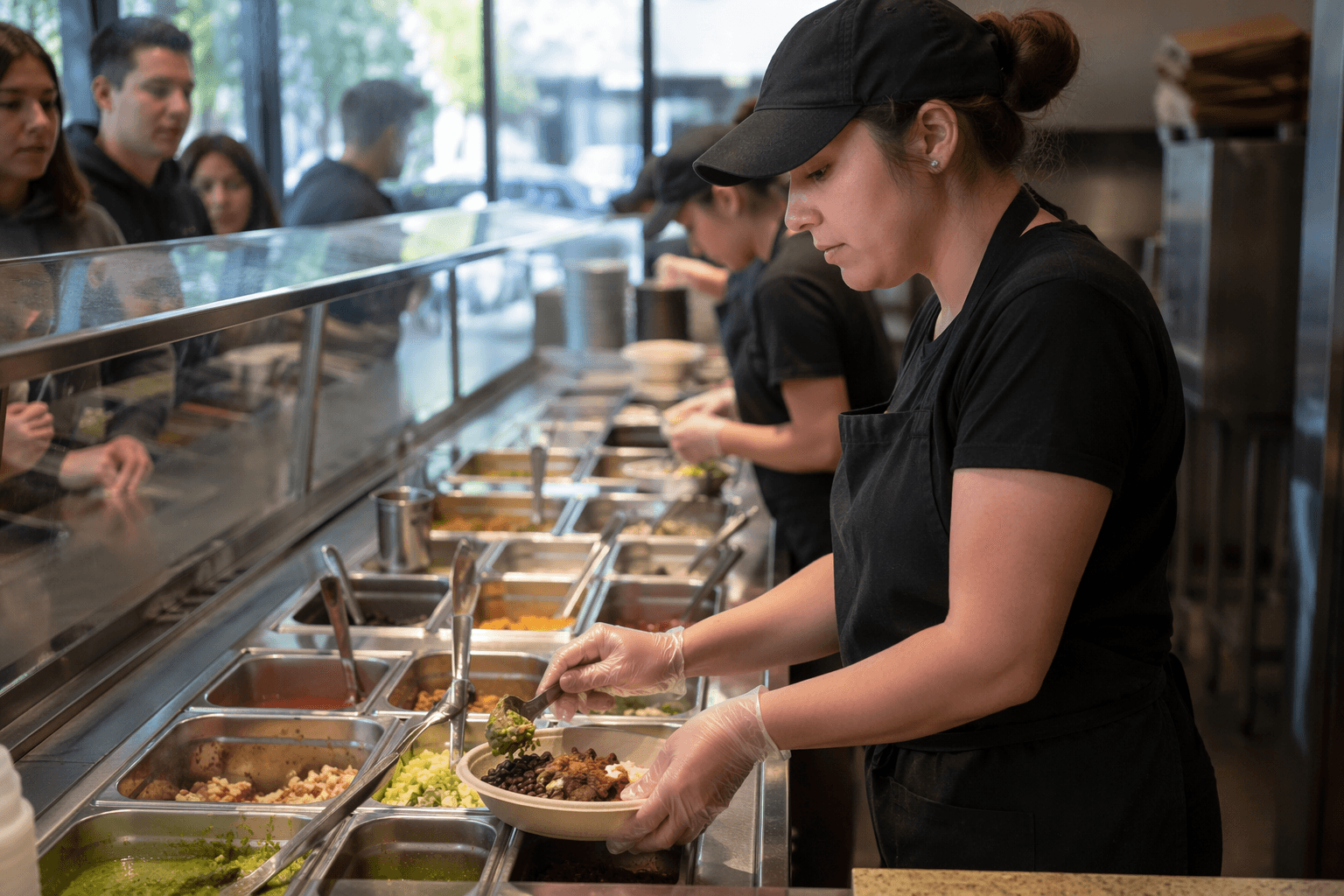
Pain is not the price of being a good restaurant worker. OSHA says musculoskeletal disorders can hit muscles, nerves, blood vessels, ligaments, and tendons, and that the same motions that define a Chipotle line, lifting, reaching overhead, bending, chopping, and repetitive scooping, can raise the risk if crews do them shift after shift without relief. OSHA’s own food-service examples show bent wrists, flexed postures, and extended reaches in kitchen work, a familiar picture for anyone on a burrito line or in prep.
The agency’s answer is not grit; it is design. OSHA says employers should train workers, encourage early symptom reporting, and review conditions before injuries show up in the worst way, using OSHA 300 logs, 301 reports, workers’ compensation records, and worker reports to spot patterns. Its controls lean toward practical fixes: job rotation, task redesign, and engineering changes that keep frequently used items within easy reach and reduce awkward postures. OSHA also recommends rotating workers through tasks that use different muscle groups and using sit-stand stools at workstations where they help.

That guidance lands squarely in Chipotle’s world, where the company’s own growth plan says it is chasing “accuracy, efficiency and speed.” In a restaurant built on rapid turnover at the line, managers can miss the difference between a busy shift and a body-breaking one. Chipotle describes itself as a “food-focused, people-first company,” but the real test is whether that philosophy survives the rush of prep, service, cleanup, and restock when crew members are on their feet for hours and reaching across the same stations all day.
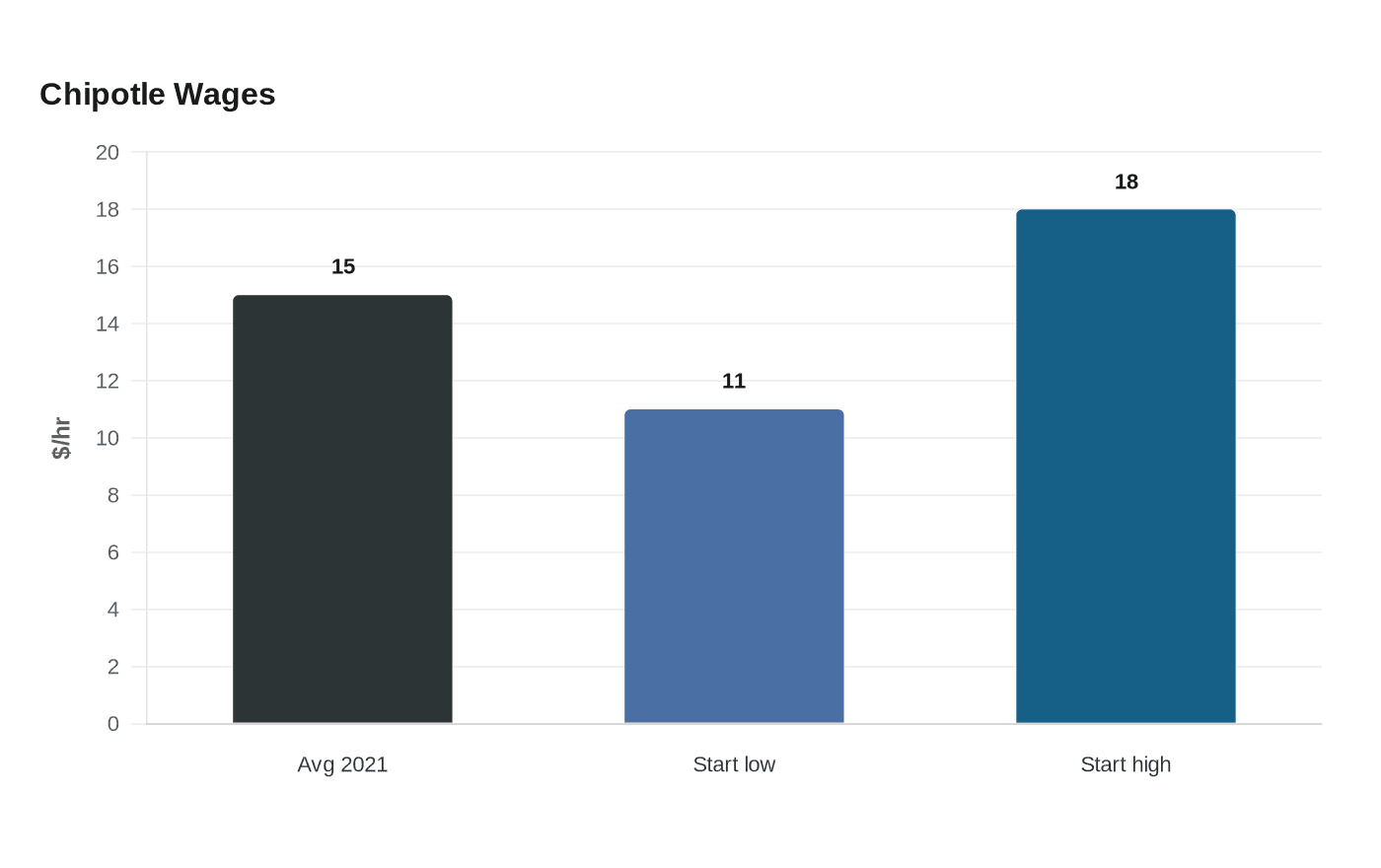
The company has also spent years telling workers that there is more to the job than the hourly paycheck. Chipotle raised restaurant wages to a $15 average hourly wage by the end of June 2021, with starting wages then ranging from $11 to $18 an hour, and said crew members could reach Restaurateur, the highest general manager role, in as little as three and a half years. More recently, Chipotle said it was adding an Employee Assistance Program and enhanced benefits for more than 110,000 employees, including mental health care, financial planning tools, and quarterly bonuses for hourly crew members worth up to a month’s pay per year.
Chipotle has already looked at automation as part of the answer. In 2023, it tested Autocado, a cobotic avocado-prep prototype built with Vebu that cuts, cores, and peels avocados before hand-mashing, after the company’s training managers helped identify prep tasks that were time-consuming and less popular with crew members. That does not replace the need for better work design on the line, but it shows the company knows repetitive prep has a cost. For crews, the practical lesson is simple: report the ache early, rotate when you can, and treat ergonomics as part of the job, not an afterthought.
This article was produced by Prism’s automated news system from verified source data, official records, and press releases, then run through automated quality and moderation checks before publishing. The system is built and supervised by the people who set the standards it runs under. Read our full AI policy.
Did this article answer your question?