OSHA warns young Chipotle workers face burns, cuts and strains
OSHA says young restaurant workers face burns, cuts and strains, and Chipotle’s line and prep tasks show how quickly those hazards stack up.
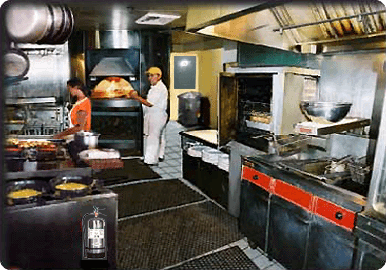
Chipotle’s kitchens may not have a traditional fry line, but the hazards OSHA flags for young restaurant workers are right there in the daily grind: hot pans, sharp knives, wet floors, heavy ingredient bins and repetitive lifting. The agency says serving and food-service staff can face burns and scalds, knives and cuts, slips and trips, strains and sprains, and workplace violence, risks that can hit hardest in the first year on the job.
OSHA’s numbers underline why the warning lands so hard. In 2017, 22 youths under 18 died from work-related injuries and another 27,070 were sickened or injured. The service industry ranks highest among U.S. industries for injury among workers ages 16 to 19, which makes the first months of restaurant work especially important for new crew members, apprentices and managers setting the pace.
At Chipotle, that advice maps directly onto the line, prep area and cleanup work. OSHA says young workers should get training from their employer, or ask for it if none is offered, and that matters when the job includes carrying hot liquids, handling knives, moving fast around tight spaces and cleaning slick floors. The agency also says workers should use protective gear, including gloves, aprons and foot protection, and should not improvise around heat lamps, hot trays or hot drink dispensers. Its restaurant resources also point employers to self-inspection checklists and workplace-violence prevention guidance.

Chipotle says its restaurants operate under an FDA Hazard Analysis and Critical Control Points system and that training, operations, culinary, legal and food-safety teams all help shape restaurant standards for food quality, food preparation, cleanliness, employee health and safety. The company says each restaurant posts a Food Safety Seven reminder in the kitchen, and that a Food Safety Advisory Council helps oversee the system. It also says employees automatically receive three days of sick leave from their first day, with a wellness check at the start of each shift meant to keep sick workers off the line.
The lesson for managers is that safety is not separate from speed. A crew that knows how to handle knives, carry hot pans, keep floors dry and move heavy product safely is less likely to lose time to avoidable injuries. OSHA’s separate workplace-violence guidance says a well-written prevention program, backed by engineering and administrative controls and training, can reduce risk, a reminder that customer-facing restaurant work requires more than basic kitchen know-how.
This article was produced by Prism’s automated news system from verified source data, official records, and press releases, then run through automated quality and moderation checks before publishing. The system is built and supervised by the people who set the standards it runs under. Read our full AI policy.
Did this article answer your question?