SevenRooms launches tool that unifies bookings for restaurant operators
SevenRooms rolled out a free booking hub that syncs reservations across channels in real time. For Chipotle, it is another sign restaurant tech is racing toward one-screen control.
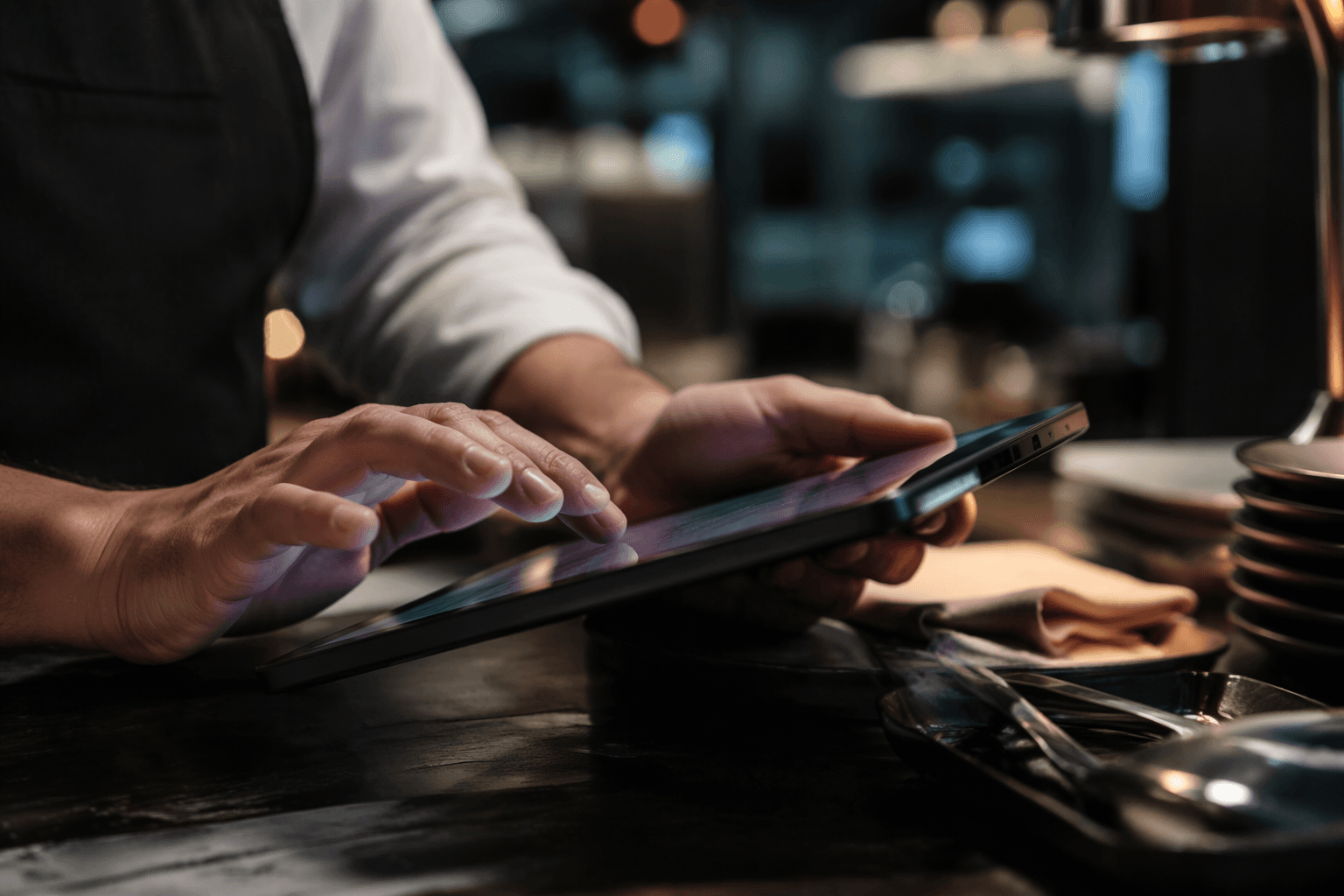
Restaurant operators have spent years asking software to do one simple thing: stop forcing managers to jump between screens, tablets and mismatched counts. SevenRooms answered that pressure with Channel Connect, a desktop tool it launched on June 16 that lets restaurants manage bookings from multiple channels in one place and sync reservation inventory in real time, even if they use another system as their primary platform.
That is a full-service problem on the surface, but the operational lesson reaches far beyond reservations. Chipotle does not hold tables, yet its crews live with the same basic challenge every day: the front end, the back end and the digital channel have to agree on what the restaurant can actually handle. If the system overpromises, the line pays for it in speed, accuracy and stress.

Joel Montaniel, SevenRooms’ co-founder and chief executive, framed the pitch bluntly: “more tables for diners and one book for restaurants.” SevenRooms said Channel Connect is being offered free under an open license, which makes it look less like a direct revenue product and more like an attempt to set the operating standard for the industry. DoorDash said in May 2025 that it intended to acquire SevenRooms to expand its commerce platform with omnichannel tools for restaurants and hospitality businesses, with the deal expected to close in the second half of 2025.
For Chipotle workers, the parallel is easy to see. Digital sales accounted for 36.7% of total food and beverage revenue in 2025, and 37.2% in the fourth quarter alone. Chipotle ended 2025 with 4,056 restaurants, including 14 international partner-operated locations, after opening 334 company-owned restaurants, 257 of them with Chipotlanes. The company had said it planned 315 to 345 openings in 2025, with at least 80% featuring a Chipotlane.
That scale makes software more than a back-office issue. Chipotle has already pushed tools such as Smarter Pickup Times, which it says improves digital pickup timing without disrupting throughput, and Hospitality Technology reported that about 65% of Chipotle digital orders are bowls or salads, the sort of items that can jam up a make line when timing slips. For crew members working around hourly wage floors, city-by-city pay variation, tip pooling, automated tip prompts and shift differentials, the operational question is the same: does the system reduce chaos or add another layer of it?
The broader move in restaurant tech is toward one dashboard, one source of truth and fewer handoffs that can get lost between platforms. For Chipotle, where digital ordering is already central to the business, that trend matters because every cleaner sync behind the screen can mean fewer surprises on the line and clearer accountability when orders stack up.
This article was produced by Prism’s automated news system from verified source data, official records, and press releases, then run through automated quality and moderation checks before publishing. The system is built and supervised by the people who set the standards it runs under. Read our full AI policy.
Did this article answer your question?