Costco cuts emissions and costs with smarter logistics moves
Costco is trimming freight waste to cut emissions and keep prices down, and the payoff shows up in faster replenishment, fewer stockouts, and less backtracking on the warehouse floor.
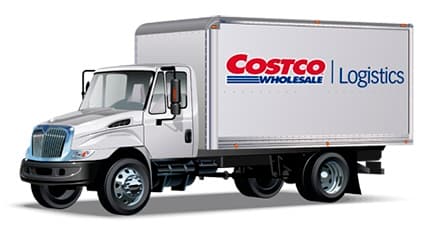
At Costco, full pallets can go straight from a supplier’s delivery to an outbound truck, while returning trailers are loaded again instead of heading back empty. With more than 900 locations worldwide, the company treats transportation as an operating problem that reaches every dock, aisle, and trailer, not as a side project.
How Costco treats logistics as a cost and carbon problem
Costco’s transportation and logistics work is designed to reduce both costs and carbon emissions. The company’s business model depends on low prices, volume purchasing, efficient distribution, and reduced inventory handling, which means every extra mile, extra touch, and empty trailer can show up as higher expense somewhere in the system.
The company’s logistics system is built around moving full pallets quickly and avoiding wasted space. Its cross-dock system sends full pallets directly from suppliers’ deliveries to outbound trucks bound for warehouses, while its shipment consolidation process loads goods onto returning trailers after outbound depot warehouse deliveries so trucks do not run empty. For warehouse managers, that is the invisible operating system behind a smoother shift: fewer bottlenecks at receiving, less staging clutter, and a faster handoff from inbound freight to the sales floor.
What the warehouse floor feels when pallets move smarter
For stockers and forklift operators, those decisions are not abstract. A cleaner flow through the dock usually means fewer emergency pulls from the back room, fewer awkward pallet moves to clear space, and less time spent reworking a load that could have been routed correctly the first time. When the system works, the difference shows up as steadier replenishment and fewer stock shortages, especially in departments that live and die by timing, from meat and bakery to high-velocity dry grocery.
That is why Costco ties logistics efficiency directly to member pricing. Shifting deliveries from air to ground transportation saves shipping costs and fuel, which helps the company keep goods moving without passing on as much freight expense. On the floor, that kind of shift usually means less pressure to compensate for rushed air freight and a more predictable rhythm for teams trying to keep shelves full before the next rush.
Cleaner fuel and lighter trucks are part of the same push
Costco is also changing the fuel and vehicle side of the equation. In California, its Costco Business Delivery fleet and some delivery trucks use renewable diesel, and the California Air Resources Board puts renewable diesel at up to 65% lower carbon intensity than petroleum diesel. Costco is working with fuel providers to expand that program to other states as renewable diesel becomes more widely available.

The company is also testing lighter-weight delivery trucks through a project called Truck of the Future. Lower vehicle weight can reduce fuel use over time, especially across a fleet that touches distribution routes again and again. Costco is also adding solar photovoltaic systems at select locations, lowering the energy burden of a network that spans stores, depots, and delivery lanes.
The scale behind the routine is larger than most shifts can show
Costco’s 2025 sustainability report gives the scope of the operation: more than 900 locations, 14 countries and regions, about 341,000 employees globally, and 145.2 million members globally. At that scale, efficient distribution, fewer wasted miles, and a lower-carbon way to move product shape the network.
Costco published its first global Sustainability Commitment in 2016 as a voluntary disclosure for members, investors, employees, and other stakeholders. Costco has identified the main sources of emissions across its global business and put action plans in place to address them.
Why workers should read the logistics story as a floor story
When Costco trims freight waste, it is also smoothing the workday. Cross-docking keeps goods moving through the network instead of sitting in a warehouse longer than necessary, shipment consolidation reduces empty miles, renewable diesel lowers emissions tied to local delivery routes, and lighter trucks can make the same network a little easier to run.
For warehouse managers, that means fewer surprises in the replenishment cycle. For forklift operators, it means more direct moves and fewer corrective shuffles. For stockers, it means a better chance that the right pallet shows up when the aisle needs it on a busy day.
This article was produced by Prism’s automated news system from verified source data, official records, and press releases, then run through automated quality and moderation checks before publishing. The system is built and supervised by the people who set the standards it runs under. Read our full AI policy.
Did this article answer your question?