Costco Executive membership perks reshape warehouse traffic and staffing
Executive-only hours and digital perks are changing Costco traffic, pushing more pressure onto front-end teams, service desks, and early-shift staffing.
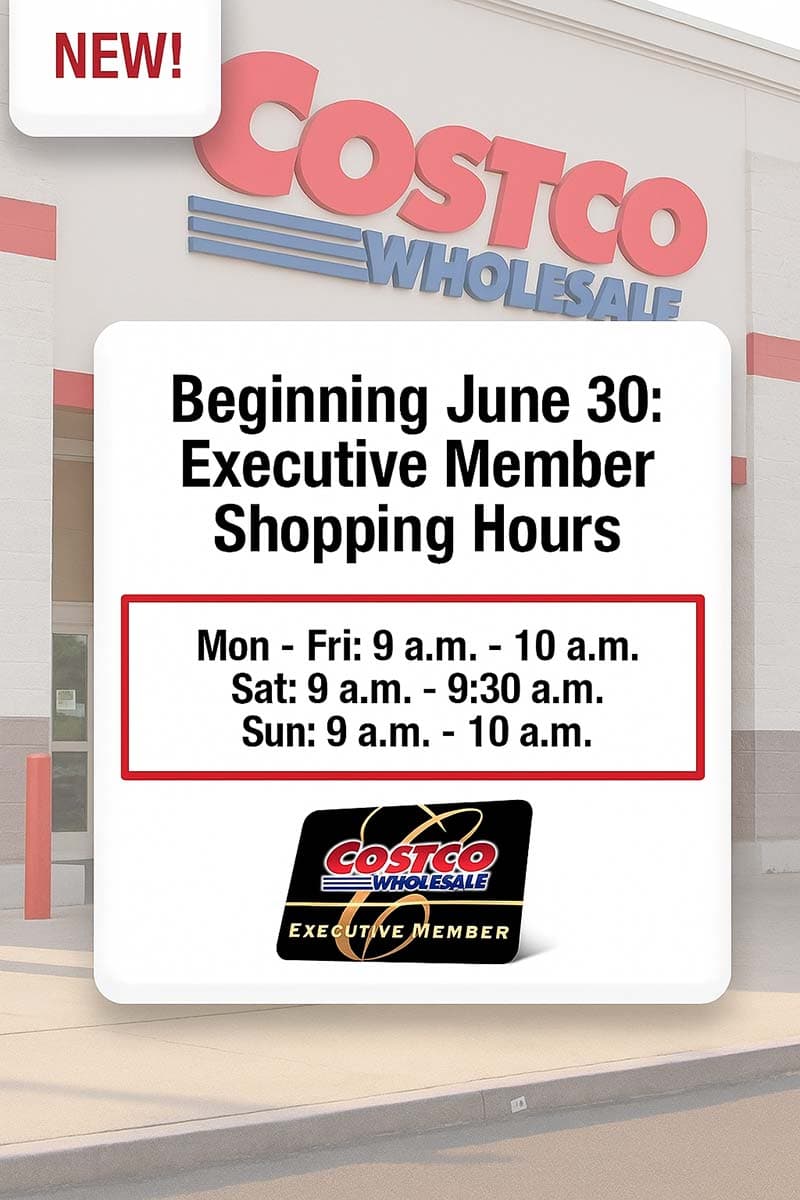
Costco's Executive Membership is no longer just a loyalty upsell. With earlier shopping hours, a monthly same-day credit, and a bigger reward cap, the tier now changes when members arrive, how they shop, and which departments feel the strain first. For warehouse teams, that means more early traffic, more upgrade questions, and a stronger need to match staffing to the member mix.
Executive perks now shape the opening shift
The most visible change is access. Costco says Executive Members can shop exclusively from 9 a.m. to 10 a.m. Monday through Friday, 9 a.m. to 9:30 a.m. Saturday, and 9 a.m. to 10 a.m. Sunday, with earlier shopping hours available at local warehouses as of June 30, 2025. That shifts the day’s first wave of traffic into a narrower window and gives the top tier a different rhythm from standard members.
That matters on the floor. Early-hour shoppers tend to be more purposeful, and the warehouse has to be ready before the rest of the building fills up. Front-end teams, cart crews, opening stockers, and managers who rely on a smooth morning set now have to think about a member base that arrives sooner, spends more, and expects the store to be fully in motion right away.
The tier is built as a bundled loyalty product
Costco’s Executive Membership costs $130 per year and includes an annual 2 percent reward up to $1,250 on qualifying purchases at Costco, Costco.com, and Costco Travel. The same package also includes a $10 monthly credit on SameDay.Costco.com or Costco via Instacart for eligible orders of $150 or more. Costco also layers on executive-only service benefits and savings tied to partners and services such as Camping World, PODS, Figo, Protective, CONNECT, powered by American Family Insurance, and Elavon.
That bundle tells you what the company is really selling: not a single discount, but a reason to keep the member inside Costco’s orbit all month long. It is a deliberate push toward repeat behavior, whether the customer is shopping in the building, booking travel, or ordering through delivery channels. For workers, that means the Executive tier can drive both in-warehouse traffic and digital demand at the same time.
The price of entry also went up. Effective September 1, 2024, Costco raised the Executive fee from $120 to $130 and increased the annual reward cap from $1,000 to $1,250. Costco said that change affected around 52 million memberships, a little over half of which were Executive. That is not a niche club sitting on the edge of the business. It is the core of it.
Why the numbers matter to the warehouse floor
Costco’s fiscal 2025 annual report shows how much weight the tier carries. Executive members represented approximately 73.6% of worldwide net sales, membership fee revenue increased 10% in fiscal 2025, and renewal rates at the end of the year were 92.3% in the United States and Canada and 89.8% worldwide. The report also says digitally originated sales, including digitally initiated purchases fulfilled through a warehouse or distribution center plus Costco Travel, were about 10% of total net sales.
That mix explains why Executive perks are an operational story, not just a revenue story. If nearly three-quarters of worldwide sales are tied to the Executive tier, then changes to hours, credits, and service benefits can alter staffing needs just as much as they alter loyalty. The same-day credit and the digital sales share point to more delivery-related orders, more app-channel expectations, and more pressure on teams that have to keep shelves, substitutions, and pickup timing aligned.
Where the pressure lands first
The first departments to feel Executive-heavy demand are usually the front end and the membership desk. More early arrivals mean more carts to manage, more receipts to check, more upgrade conversations, and more questions about what the tier covers. If the reward cap and early-hours pitch are working, that also means more members trying to make sure they are getting full value, which creates a steady stream of service-desk traffic.
Food court teams also feel the change, especially when early shoppers use the warehouse as a first stop in the day. Opening crews have to prepare for a faster ramp, not just a bigger crowd later on. Stockers and forklift operators can feel the pressure when Executive traffic pushes members deeper into the building sooner, because the floor has to look ready before the first wave walks in. Meat, bakery, and optical teams may not handle the same volume as the front end, but they still absorb the service expectation that comes with a more engaged member base.
For managers, the lesson is straightforward: membership mix should influence scheduling. Executive-heavy mornings may require more people on the front end, earlier cart coverage, better merchandising readiness, and faster backup support when lines form. If same-day orders and early-hour shopping are both rising, the warehouse cannot treat them as separate problems. They are one demand pattern showing up in different places.
What workers should watch next
This is where Costco’s high-wage model still runs into the realities of retail. Better pay and strong renewal rates do not remove the operational burden that comes with a membership tier built to drive loyalty and spending. They raise the standard for execution. When the Executive tier deepens, the warehouse has to absorb more early traffic, more digital orders, more service questions, and more pressure to keep the member experience moving without slowing the floor.
That is the real story behind the perks. Executive Membership is not just about giving top-tier shoppers more value. It is about changing the warehouse day itself, and the departments that hold that day together have to adjust accordingly.
This article was produced by Prism’s automated news system from verified source data, official records, and press releases, then run through automated quality and moderation checks before publishing. The system is built and supervised by the people who set the standards it runs under. Read our full AI policy.
Did this article answer your question?