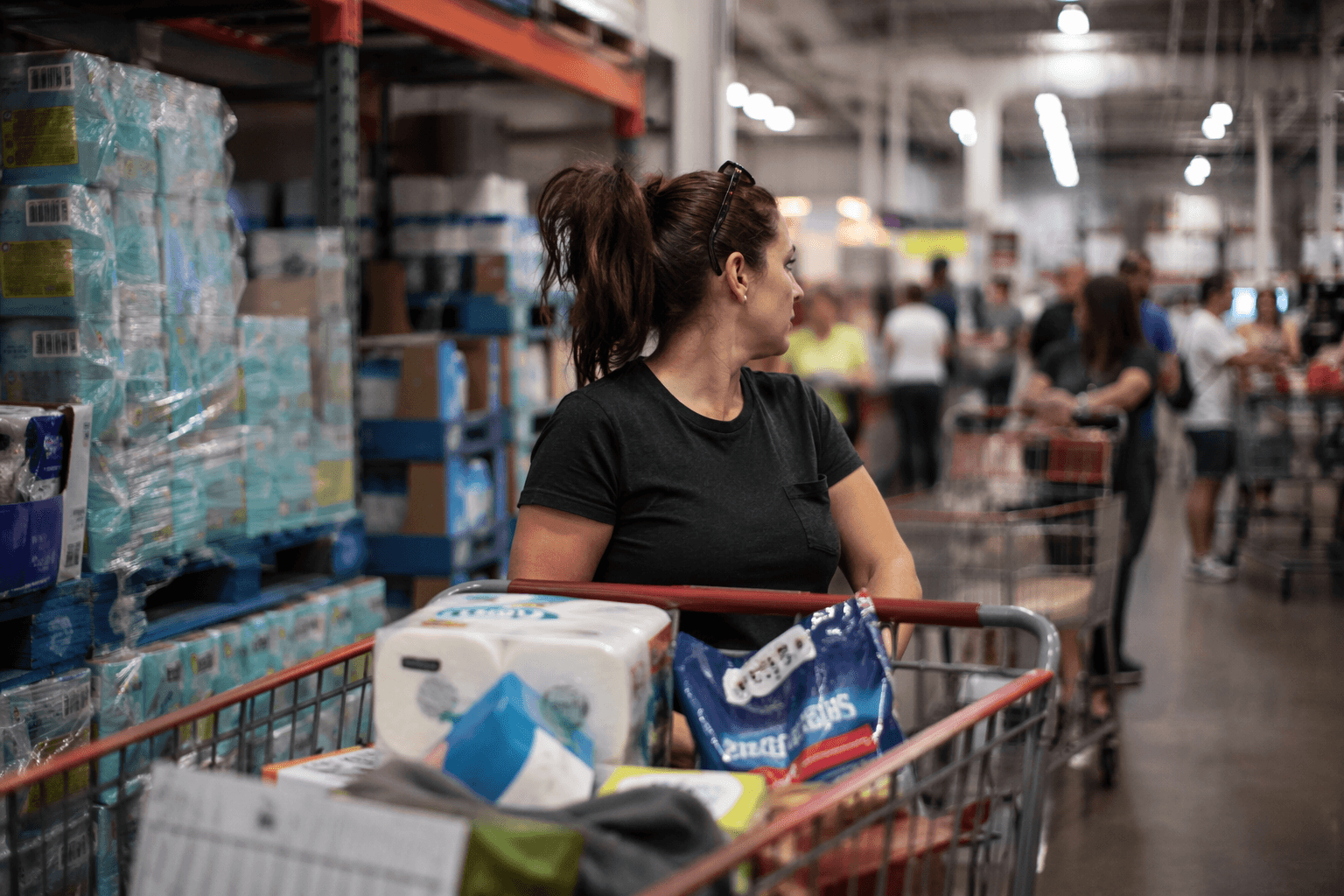
Costco meat and bakery teams put food safety first
In Costco meat and bakery, food safety is the daily proof point that protects shrink, cuts complaints, and keeps members trusting the case.
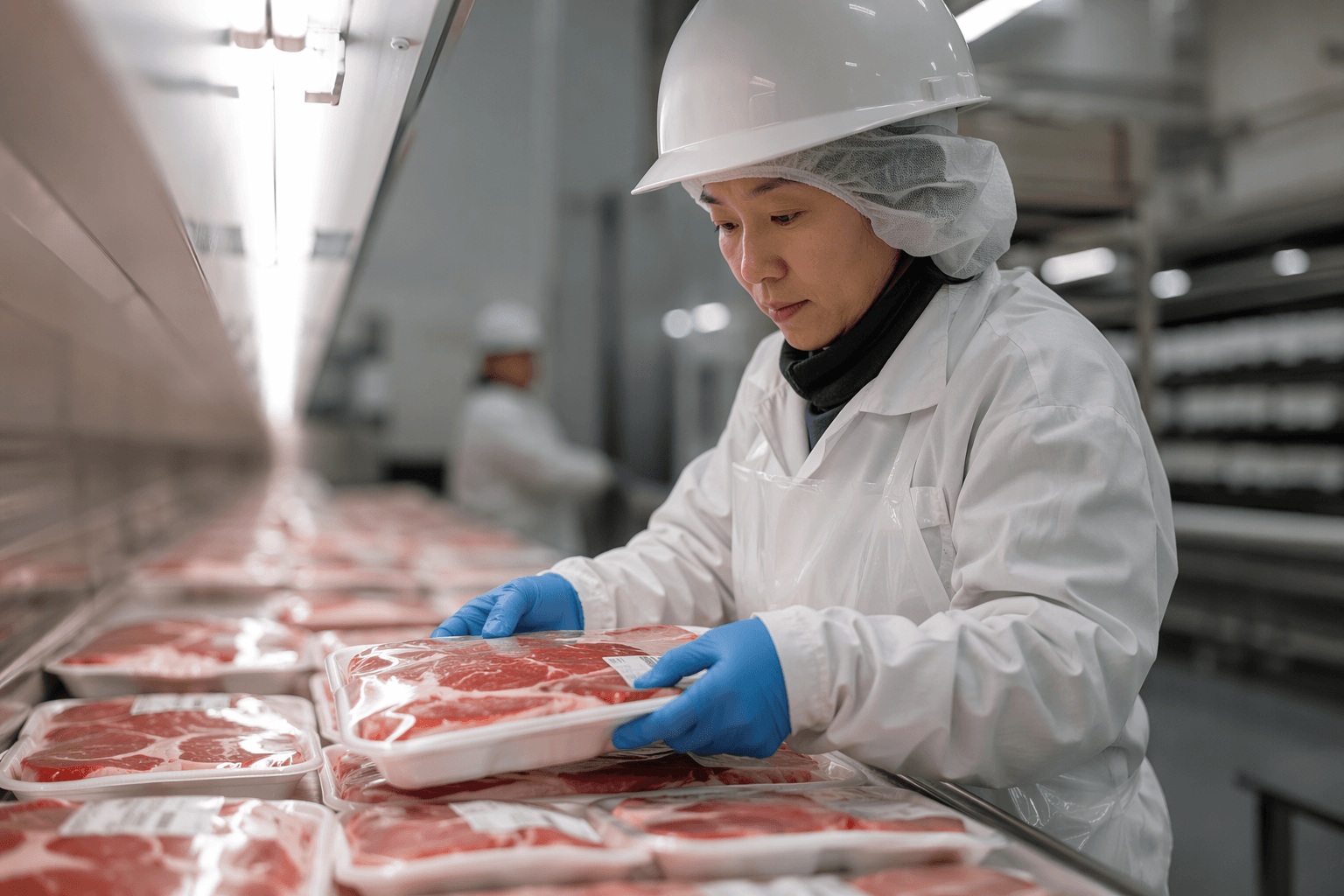
Costco meat and bakery work is not just about making the case look full. It is about proving, every hour of the shift, that the food is fresh, safe, accurately labeled, and handled with discipline. That is why food safety sits at the center of the job, not at the edge of it, and why the habits behind the counter matter so much to members, managers, and the workers running the department.
Food safety is the daily standard
In these departments, the basics are the business. Temperature control, sanitation, rotation, and allergy awareness are the routines that keep product moving safely and keep small mistakes from becoming spoilage, returns, or complaints. When those routines are tight, the case stays trustworthy. When they slip, the damage can spread quickly across the department because one problem at the counter often becomes a member issue at the service desk.
That matters in a Costco warehouse, where the fresh departments help define the whole shopping trip. Meat and bakery are highly visible, high-volume areas, and the work is judged not only by how full the case looks but by whether the product behind it is being protected the right way. For the people working those shifts, food safety is also a sign of professionalism. The employee who treats the logs, the labels, and the handoff process seriously is the one who looks dependable when supervisors decide who can handle more responsibility.
What meat teams are protecting
For meat teams, the most important issue is cold chain discipline. Product has to stay cold through handling, staging, and display, because once it warms up, quality drops fast and shrink rises with it. That is especially true when raw and ready-to-eat product are not kept properly separated, or when sell-by and use-by timing is not monitored carefully enough.
The meat case is one of the clearest examples of how food safety and shrink control overlap. A lapse in rotation can leave older product sitting too long, and that means more waste, more markdown pressure, and more returns. A clean, well-run meat case sends the opposite message: the department is organized, the team is paying attention, and Costco is serious about quality. That trust is built one tray, one label, and one temperature check at a time.
For workers, that discipline is not abstract. It shapes the pace of the shift, the condition of the product, and the confidence management has in the team. The better the crew is at keeping raw product separate, maintaining temperature control, and moving items in the right order, the less likely the department is to fight the kind of problems that eat into results and complicate the day.
What bakery teams are protecting
Bakery has its own version of the same challenge. The display may look polished from the customer side, but behind the counter the work is about sanitation, timing, and precision. Bakery teams have to protect product from contamination, keep the display looking fresh, and make sure allergen labeling is correct and handled carefully.
That allergy piece is especially important because a label mistake is not just a presentation issue. It can turn into a serious member complaint and, depending on the product, a real safety problem. Bakery teams are often balancing speed and presentation at the same time, which means the details matter. Good rotation keeps the display looking fresh; careful sanitation keeps contamination risk down; accurate labeling keeps members informed and keeps the department credible.
Bakery also has a direct effect on shopping behavior. A display that looks organized and fresh can bring more traffic to the department and can increase basket size, which is another reason managers watch the cases closely. A strong bakery presentation is not only attractive, it is operationally meaningful. It signals that the team is in control, and members tend to buy more when they trust what they see.
Why one mistake can affect the whole warehouse
The impact of meat and bakery food safety reaches beyond a single item or even a single department. One handling mistake can create a complaint that spills into broader customer perception of the warehouse. That is why managers pay so much attention to logs, cleaning routines, and training. Those routines are not paperwork for its own sake, they are the system that keeps fresh departments consistent during busy shifts.
That consistency matters in a company built around high expectations and strong employee standards. Costco’s wage and benefits model depends on reliable execution just as much as member loyalty does. In a workplace where people care about advancement, steadiness on food safety becomes a kind of currency. It helps employees earn trust, and that trust can open the door to busier shifts, new-hire training, and broader responsibility.
Why the habit pays off for workers
For employees, food safety is career protection. The more consistently the process is followed, the more confidence supervisors have in the person doing the work. That confidence matters when schedules get tighter, when a department needs a stronger lead during rush periods, and when management is looking for someone who can be counted on in a high-volume setting.
It also matters beyond the warehouse floor. Workers who build a reputation for careful handling, accurate rotation, and clean execution are better positioned for higher-level food service or quality-control roles later on. In that sense, the habit of checking temperatures, labeling accurately, keeping sanitation tight, and handing product off correctly is more than a shift-by-shift expectation. It is a durable skill set that supports long-term mobility inside a company known for paying well and expecting a lot in return.
At Costco, the meat and bakery counters tell members whether the warehouse is living up to its promise. Fresh product, safe handling, and disciplined routines are what make that promise believable, and they are what keep the department strong enough to protect shrink, prevent complaints, and earn trust every day.
This article was produced by Prism’s automated news system from verified source data, official records, and press releases, then run through automated quality and moderation checks before publishing. The system is built and supervised by the people who set the standards it runs under. Read our full AI policy.
Did this article answer your question?