Costco points workers to confidential complaints as EEOC warns on harassment
Costco points employees to confidential complaint channels, while the EEOC says harassment can come from anyone on the floor and retaliation can follow a complaint.
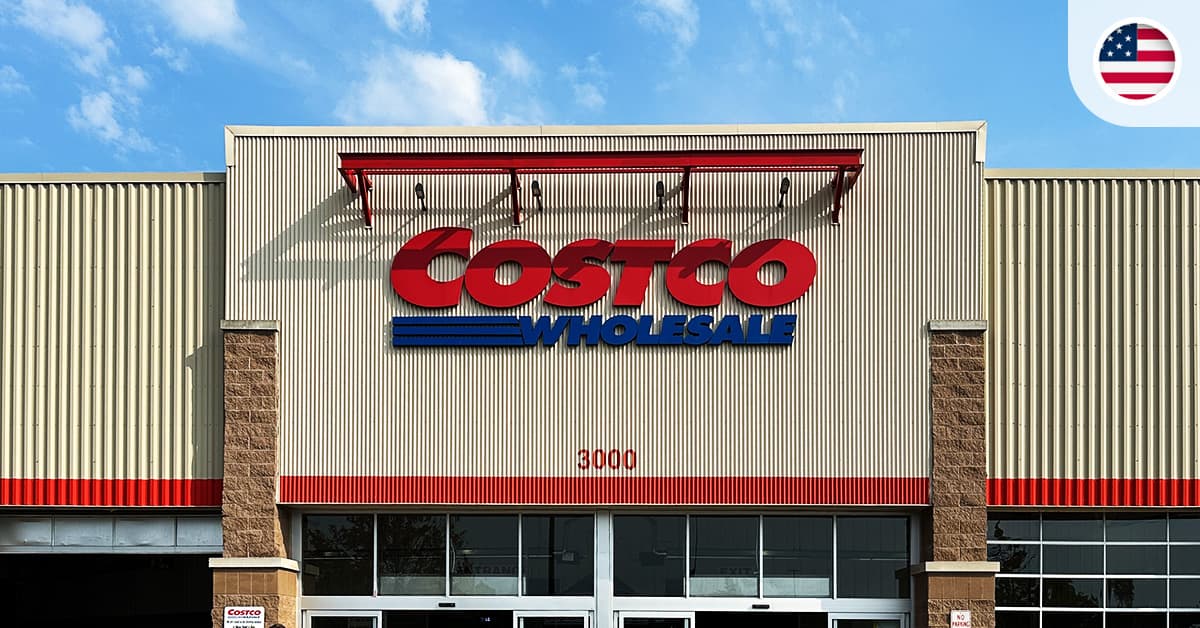
Costco tells workers to use its confidential complaints and inquiries channels for accounting issues or illegal conduct, and its whistleblower policy says employees must promptly report actual or suspected violations of law or the Code of Ethics. The company also says good-faith complaints are protected from retaliation, a detail that matters when a front-end, stocking, bakery, meat, optical, or management complaint could affect the next schedule or assignment.
The practical sequence matters. The EEOC says harassment is unlawful when it creates a work environment that is intimidating, hostile, or offensive to reasonable people, and it can come from a supervisor, another manager, a co-worker, or even a non-employee. If it feels safe, the agency says the first step may be to tell the person to stop. After that, workers should check the anti-harassment policy, then report through the company’s stated path, whether that is a supervisor, HR, or a confidential channel.
Costco’s own ethics materials point in the same direction. Its published Code of Ethics says the company will “Obey the law,” “Take care of our members,” and “Take care of our employees.” Costco’s supplier ethics hotline page also says reports can include discrimination and sexual harassment, showing that the company’s reporting structure is broader than a single management chain. For employees who work in close quarters on a busy warehouse floor, that matters because a bad interaction can spread fast if nobody documents it.
The EEOC says employers should have effective complaint or grievance processes, communicate that unwelcome conduct will not be tolerated, and take immediate corrective action when someone complains. The agency also says retaliation is illegal when an employer takes a materially adverse action because a worker engaged in protected activity. That protected activity includes filing or witnessing an EEOC charge, complaint, investigation, or lawsuit, or even telling a supervisor about discrimination or harassment.
Workers in the United States also need the filing clock. The EEOC says a charge of discrimination can be filed when conduct involves protected characteristics such as race, sex, religion, age, disability, or national origin. The general deadline is 180 calendar days from the day the discrimination happened, or 300 calendar days where a state or local agency enforces a comparable law. The agency also says Title VII, the ADA, and the ADEA use that same 180-day and 300-day framework, and that filing a charge is required before most lawsuits under the laws the EEOC enforces.
For Costco employees, the lesson is not to wait for a pattern to become obvious. Use the confidential path, keep the report formal, and document any change in scheduling, assignments, or treatment after speaking up. That paper trail is what turns a complaint into protection.
This article was produced by Prism’s automated news system from verified source data, official records, and press releases, then run through automated quality and moderation checks before publishing. The system is built and supervised by the people who set the standards it runs under. Read our full AI policy.
Did this article answer your question?