Costco rejects request for adaptive cart at Sharon store
Costco’s refusal to add an adaptive cart at its Sharon store left Amy Lemieux pushing for access for her 8-year-old daughter, Estelle, who uses a wheelchair.

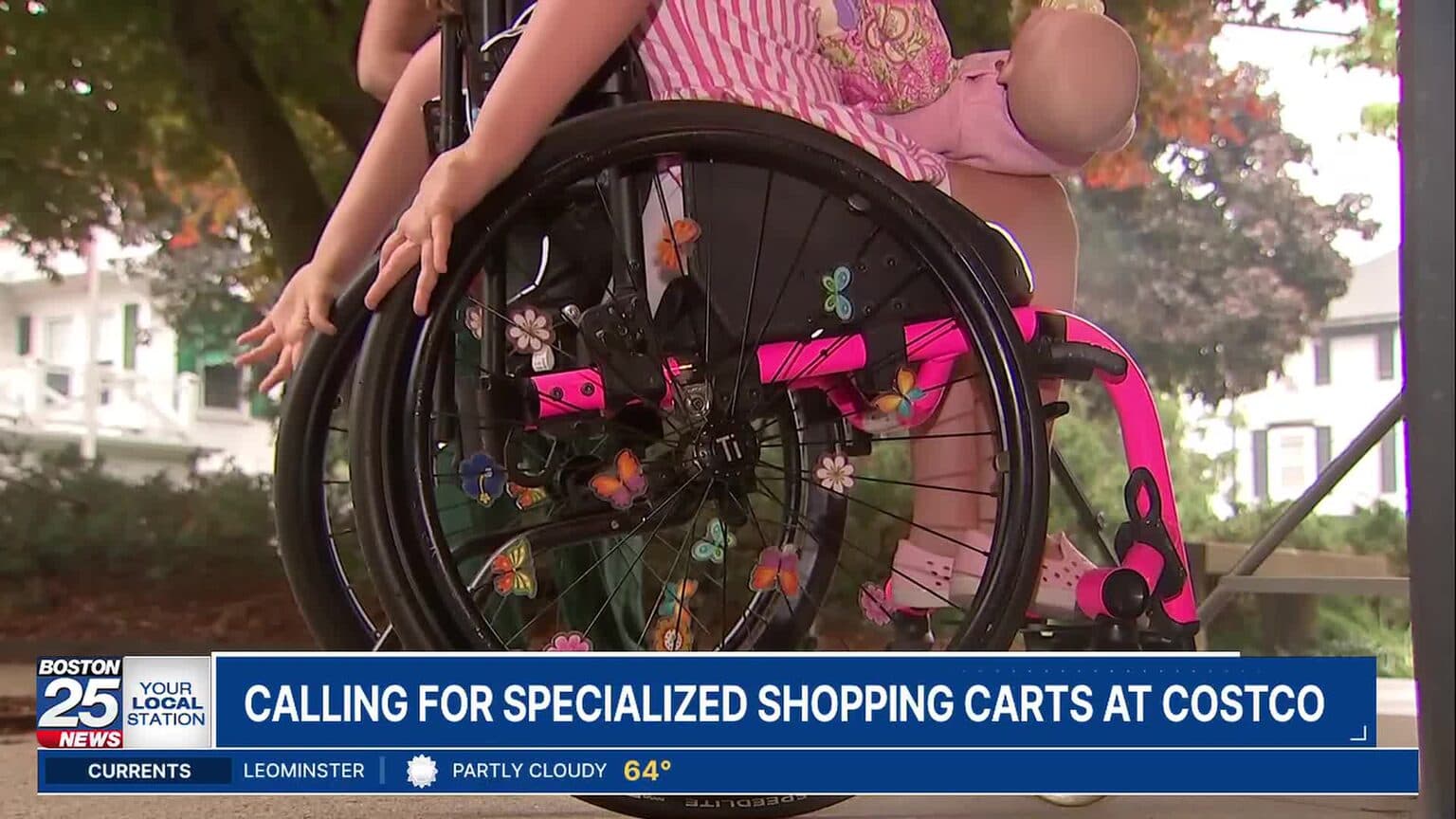
Costco rejected a request to add a specialized shopping cart at its Sharon, Massachusetts store, leaving a Foxborough mother to keep pressing for a change that would let her shop with her daughter. Amy Lemieux is asking for a cart for people with disabilities so she can shop alongside 8-year-old Estelle Lemieux, who has spinal muscular atrophy and uses a pink wheelchair adorned with butterflies.
The dispute centers on the Sharon warehouse, one of Costco’s newer Massachusetts locations at 160 Old Post Road, which opened March 12, 2025. The request has turned a routine front-end issue into a public access fight, with online supporters saying that everyone should feel included and should have equal access.
For Costco workers, a decision like this does not stay abstract. Front-end assistants, cart collectors, and managers are the people who have to answer why the store has no adaptive option, even as they keep traffic moving through the same aisles and checkout lanes. In a warehouse built on fast throughput and heavy customer volume, a small design choice can land squarely on the employees who explain the rules and absorb the frustration.
The Sharon dispute is not the first time Costco has faced pressure over adaptive carts. In 2018, a mom petitioned the chain after a local store refused to add adaptive shopping carts, and a Change.org petition still exists under the title Urge Costco to Provide Caroline’s Cart for Families with Disabilities. That history suggests the issue has lingered for years as shoppers with disabilities and their caregivers keep making the same request.
The company’s refusal also lands against the backdrop of Costco’s high-wage labor model, which has long been part of its workplace brand. In early 2025, Costco said workers at the top of its pay scale would get a $1 hourly raise to $30.20, followed by additional $1 raises in each of the next two years. That announcement came as 18,000 Teamsters members voted 85% to authorize a strike, and a potential walkout could have affected 56 warehouse stores across five states before a tentative agreement eased the immediate threat.
For warehouse crews, the Sharon cart fight is another example of how a company can decline a seemingly small fix and leave the day-to-day burden with the people on the floor. The request remains about one family, but the refusal reaches the workers who have to keep the store running around it.
This article was produced by Prism’s automated news system from verified source data, official records, and press releases, then run through automated quality and moderation checks before publishing. The system is built and supervised by the people who set the standards it runs under. Read our full AI policy.
Did this article answer your question?