Costco’s Kirkland diapers get new item numbers, relabeled Ultra version
Costco’s diaper reset is more than a label swap: new item numbers and an Ultra Soft relabel can ripple into pallet moves, member questions and price checks.
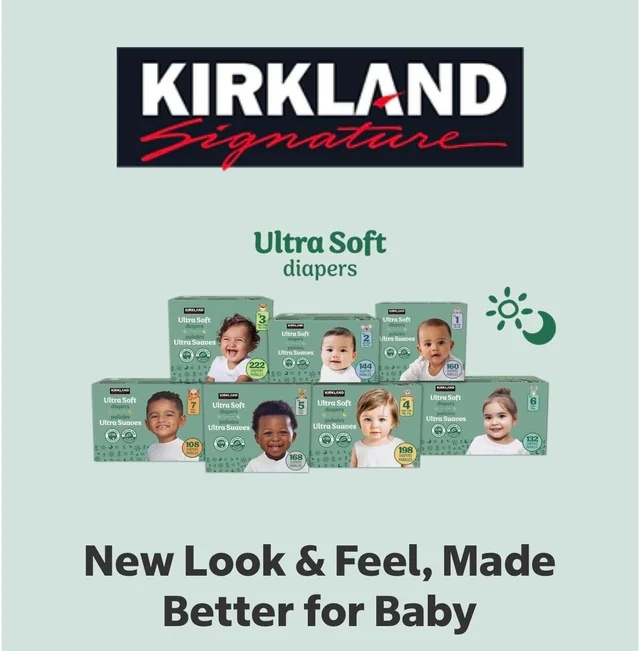
Costco’s Kirkland diaper refresh is a small package change with a lot of floor-level consequences. New item numbers, a relabel to “Ultra Soft Diapers,” and a fresh product page mean stockers, forklift operators and front-end teams can all feel the shift long before corporate language does.
What changed on the diaper shelf
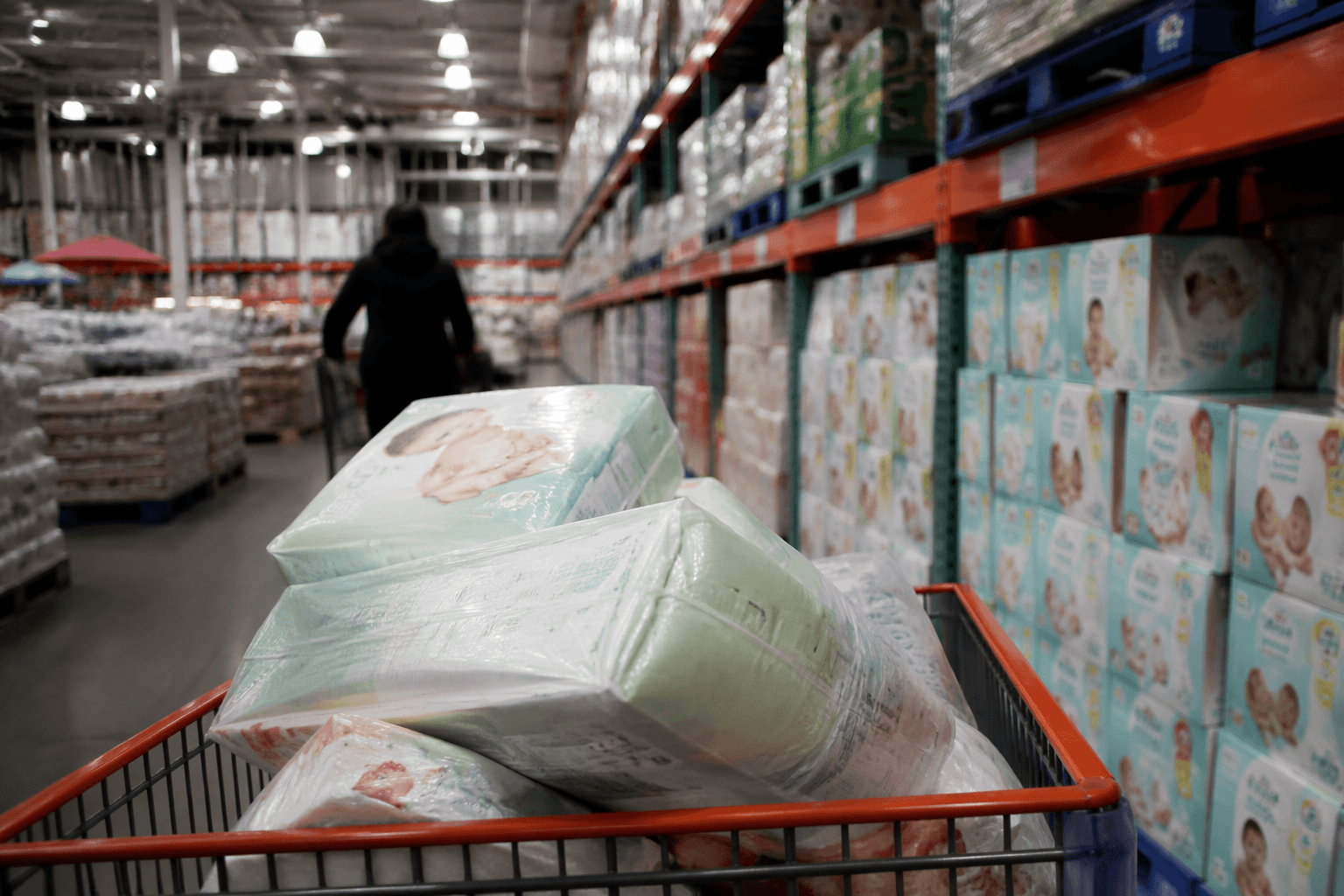
Costco’s product page now says “New Kirkland Signature Diapers,” which signals the update has reached the official retail side of the business. Shoppers have also noted Kirkland Signature Diapers moving to new item numbers and being relabeled as “Ultra Soft Diapers,” with an asterisk appearing on the shelf tag. That kind of reset can create the exact warehouse friction employees recognize: a different SKU, a different package, and a stream of member questions about whether the new box replaces the old one or sits beside it.
For front-end assistants, the change can turn into an everyday comparison exercise. Members are likely to ask whether the Kirkland version still stacks up against national brands, how the pricing changed, and whether the new diaper is the same product in new packaging or a true substitute. On the floor, that means the story is not just about one baby item, but about how Costco handles transitions without breaking the value signal that keeps members coming back.
Why Kirkland matters so much to Costco
Kirkland Signature is one of the clearest examples of Costco’s private-label strategy at work. PLMA says Costco told investors that Kirkland Signature private-label sales accounted for 28% of total sales and gained 1% penetration year over year. Business Insider reported that Kirkland Signature sales reached $39 billion in 2018, up from $35 billion in 2017, and the Wall Street Journal has described Kirkland as accounting for about a third of Costco’s roughly $254.5 billion in annual revenue.
That scale explains why even a diaper refresh matters. A Kirkland item is not a side project or a niche warehouse test, it is part of the core business model that helps Costco manage quality, keep pricing tight and give members a reason to return for repeat purchases. In a company where wages, benefits and long-term retention often get compared with the broader retail sector, Kirkland is also one of the reasons the warehouse can keep selling bulk basics without losing the membership value proposition.
What the change means for warehouse crews
A Kirkland launch or relaunch usually means more than swapping one box for another. Stockers can face a new item number, pallet allocation changes, shelf resets and packaging differences that affect how quickly a section moves through the building. Forklift operators may need to reposition pallets as the new product arrives and the old version clears, while managers have to balance space, backroom flow and member demand.
That operational work matters because diapers are not an occasional purchase. They are a repeat-buy category, which means the product has a direct effect on shopping frequency, basket size and loyalty. If the new Kirkland diaper lands well, members may think of the warehouse as the dependable place for a staple they will buy over and over again. If it creates confusion, the front end and the aisle absorb that confusion in the form of returns, questions and price checks.
Costco’s diaper assortment page already shows how central the category is to the warehouse mix. It includes both Huggies and Kirkland Signature options, and Costco same-day delivery lists Kirkland Signature Diapers, Size 6, 132 Count. That combination tells workers the category is not an isolated warehouse item, but part of a broader shopping pattern that crosses the sales floor, delivery, and member service.
The supplier switch behind the scenes
The diaper change also reflects a supplier shift that reaches far beyond the shelf tag. Bloomberg reported on Dec. 9, 2024, that Costco was switching manufacturers for its Kirkland Signature diapers because the supplier was moving away from store brands to boost profitability. A local reprint of that story said First Quality was replacing Kimberly-Clark Corp. as the maker of Costco’s diapers, with the official change set for January.
That matters on the floor because supplier changes can alter packaging, timing and the way workers talk to members about the product. Kimberly-Clark is the parent company of Huggies, so a move away from that manufacturer also shows how Costco manages vendor relationships when a private-label item becomes strategic enough to justify a new production setup. For managers, this is the kind of shift that touches sourcing, margin planning and demand forecasting all at once.
Member reaction is part of the operational story
The change has not landed quietly with parents. Fortunes and What to Expect surfaced complaints from some shoppers who said the new version felt thinner or less absorbent. That reaction is useful for workers because it shows how quickly a private-label update can become a customer-service issue, even when the corporate logic behind it is straightforward.
In a warehouse built on trust, the reaction to a diaper relabel is never just about one product. Members notice whether a Kirkland essential feels the same, whether the box size changed, and whether the price still makes sense next to the national brand on the same aisle. That is why Kirkland updates matter across departments, from front-end assistants answering questions to department managers keeping the pallet mix straight.
Why this small launch has a bigger Costco lesson
Kirkland diaper changes show how Costco’s brand strategy reaches the floor through everyday execution. A new item number, a packaging refresh and a supplier switch are all signs that the company is protecting the part of the business that drives repeat traffic and reinforces the membership model. In a Costco warehouse, that strategy shows up as reset work, pallet moves, member comparisons and a constant test of whether the Kirkland label still means value.
For workers, the lesson is practical: when Kirkland changes, the floor changes with it.
This article was produced by Prism’s automated news system from verified source data, official records, and press releases, then run through automated quality and moderation checks before publishing. The system is built and supervised by the people who set the standards it runs under. Read our full AI policy.
Did this article answer your question?