Costco shows how teams reset a warehouse safely after closing
Costco’s best reset happens after close, when radio calls, aisle checks, and forklift timing turn cleanup into next-day readiness.
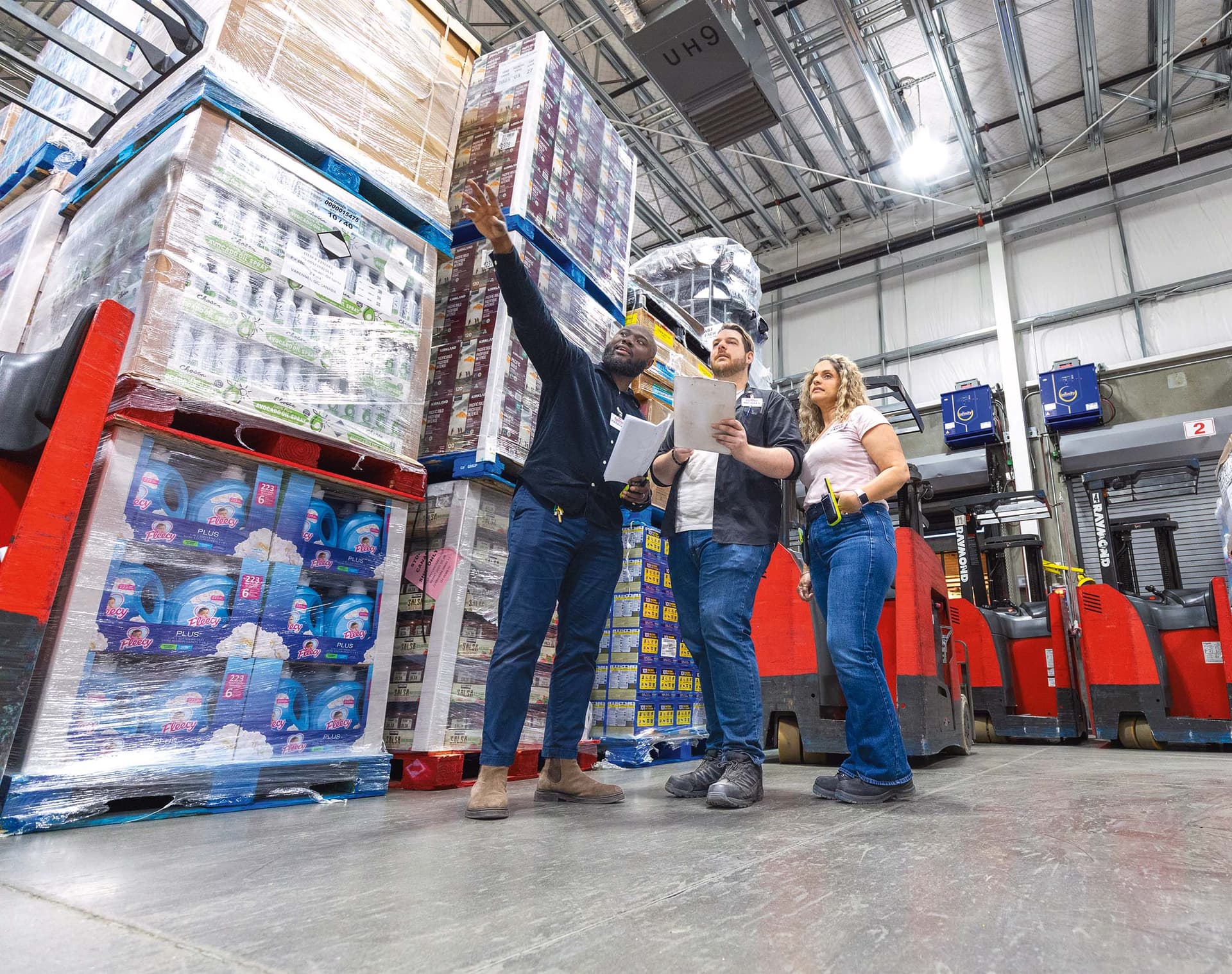
Costco’s cleanest-looking morning starts the night before, when a closing crew turns the floor into a coordinated safety check. In Lake Stevens, Washington, employees do not simply lock the doors and go home. A team moves aisle by aisle, confirms each area is clear by radio, and only then brings forklifts back onto the floor.
The closing shift is a handoff, not a cleanup
The Lake Stevens warehouse example works because it treats closing as part of the operating day, not an afterthought. Employees constantly communicate across levels so the floor stays stocked and ready for the next rush. The warehouse runs in three shifts, from 4 a.m. to 11 a.m., 11 a.m. to 3 p.m., and 3 p.m. to 11 p.m., which makes the handoff between teams as important as the work inside any one shift.
The reset begins about 10 to 15 minutes after closing, when a crew starts at the back of the building and moves in a line across the warehouse. Each aisle gets checked, then confirmed over the radio before the team advances. That sequence turns a large, busy sales floor into a controlled work zone before powered equipment comes back in.
The warehouse does not become ready for tomorrow by accident. Someone clears the aisle, someone else verifies the call, and someone else positions equipment correctly.
Why the reset protects members and workers
Costco’s close reduces risk before the next day starts. A clear floor limits the chance of pallet conflicts, makes it easier for forklifts to move, and keeps staff from stepping into a space that is still being worked. In a warehouse club, members, product, and equipment all move through the same large open area during business hours.
OSHA lists warehousing hazards including powered industrial trucks, material handling, slip and trip hazards, ergonomics, hazardous chemicals, and robotics. Its National Emphasis Program on Warehousing and Distribution Center Operations began inspections on October 13, 2023, a reminder that warehouse safety is under active scrutiny well beyond any one chain.
The standards OSHA points to cover walking-working surfaces, exit routes, emergency planning, and lockout/tagout under 29 CFR 1910. A disciplined close has to accomplish the same things. Floors have to be walkable, paths have to stay open, emergency access has to be preserved, and equipment has to be handled in a way that keeps the next shift from inheriting avoidable hazards.
Costco’s scale makes the nightly reset matter more
In its fiscal 2024 annual report, Costco said it operated 890 warehouses worldwide, including 614 in the United States. The business is built on low prices, a limited selection, high sales volume, and rapid inventory turnover. That model only works if product keeps moving and the floor is ready for the next wave of traffic.
Costco says it began operations in 1983 in Seattle, Washington. The first Costco warehouse opened on September 15, 1983, on 4th Avenue South in Seattle. The company’s warehouse-club format has always depended on speed, logistics, and disciplined daily routines.
A warehouse that can serve members all day, receive product, and reopen cleanly the next morning depends on employees treating the close as part of the chain that keeps inventory flowing. The better the reset, the less friction shows up at opening, when the first members, the first carts, and the first pallets all arrive at once.
What the Lake Stevens routine asks of each department
The closing process is most effective when every department understands its part in the sequence. It is not enough for one crew to finish its own zone if another team leaves a pallet, a cart, or a blind corner in the path of moving equipment. Costco’s own example shows why communication has to cross departments and job titles, not stay inside one corner of the building.
- Front-end teams help clear traffic patterns and keep the perimeter of the floor open.
- Stockers and other floor crews finish their zone so the aisle can be confirmed clear.
- Forklift operators wait for the radio all-clear before entering the floor.
- Managers keep the handoff organized, so the building resets in a straight line rather than in scattered pieces.
This article was produced by Prism’s automated news system from verified source data, official records, and press releases, then run through automated quality and moderation checks before publishing. The system is built and supervised by the people who set the standards it runs under. Read our full AI policy.
Did this article answer your question?