Costco supplier changes put Kirkland Signature quality, workers on alert
A Kirkland supplier swap can look invisible to members, but on the floor it can mean spoilage, stocking headaches, and a flood of quality questions.
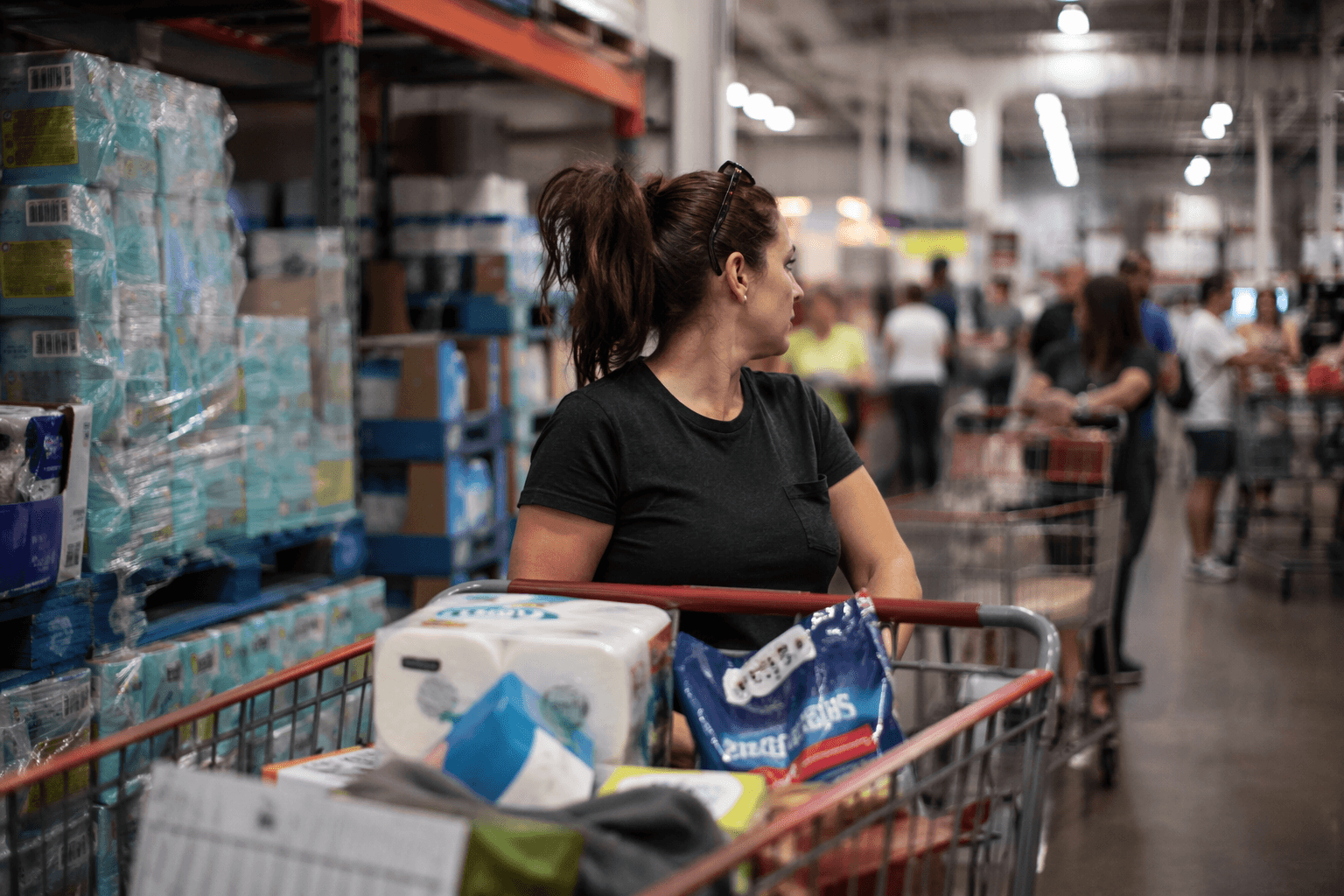
Kirkland Signature looks fixed on the shelf, but the work behind it is anything but. When Costco changes a supplier or adjusts a formula, the first people to feel it are the employees unloading pallets, rotating cases, slicing product in the meat room, proofing dough in bakery, and fielding questions at the front end.
Why a Kirkland change lands on the floor first
A product can keep the same label and still behave differently once it reaches the warehouse. That is why supplier changes matter to stockers, forklift operators, meat cutters, bakery crews, and center-store teams: the item may move differently through receiving, stack differently on pallets, or age differently once it hits the case. In meat and bakery, that can quickly turn into spoilage risk, uneven presentation, or a wave of complaints about texture, sizing, or consistency.
The difference can be subtle at first and expensive later. A better supplier may mean fewer damages in transit, fewer shrink problems, and a case that holds up through the day’s traffic. A weaker one can create odd-sized product, awkward packaging, or labor demands that do not show up clearly on paper, even when sales numbers still look healthy.
That matters at Costco’s scale. The company reported fiscal 2025 net sales of $269.9 billion and said it operated 914 warehouses worldwide, including stores in the United States, Canada, Mexico, Japan, and the United Kingdom. At that size, even a small sourcing change can ripple across a huge network of receiving docks, backrooms, and sales floors.
The member conversation is part of the job
The hardest part of a Kirkland shift is not always the product itself. It is the conversation it triggers, because members often assume Kirkland comes from one long-term source and does not change unless the label changes too. In practice, workers may be asked whether the supplier changed, whether the recipe changed, whether the packaging changed, or whether the item is seasonal or permanent.
That puts front-line employees in a familiar Costco position: explain enough to be helpful without overpromising. Costco has described Kirkland Signature items as offering “equal or better quality” than national-brand alternatives, and Gary Millerchip said Kirkland items typically deliver 15% to 20% value versus the national-brand equivalent. That gives employees a useful frame, but it also raises the bar, because any visible change can make members wonder whether the brand promise has slipped.
For workers, that means the conversation is part product knowledge, part trust management. A front-end assistant may hear the complaint first, a bakery employee may have to explain why a loaf looks different, and an optical or warehouse manager may end up translating the change into something members can understand without sounding defensive. The floor absorbs the friction long before corporate messaging reaches the cart line.
Why Costco protects Kirkland so closely
Costco has built Kirkland into more than a private label. In its own materials, the company says it operates on the idea that low prices on a limited selection of nationally branded and private-label products drive high sales volumes and rapid inventory turnover, and it says Kirkland helps meet its mission of providing the “best quality goods and services at the lowest possible prices.” Costco also says the brand gives it a chance to focus on sustainability goals from the beginning of product development.
That approach helps explain why sourcing flexibility matters so much. Costco has also used private label and SKU flexibility as part of its tariff strategy, leaning into the ability to change items it sees as lower-value and to increase domestically sourced goods in categories such as health and beauty, live goods, tires, and mattresses. For workers, that is not just supply-chain theory. It affects what arrives, how it arrives, and how quickly the floor has to adapt when the assortment shifts.
The brand control also shows up in how Costco talks about quality. Kirkland is presented as a protective layer for the membership model, not just a cheap alternative to national brands. When it works, that gives warehouses a cleaner assortment and steadier member loyalty. When it stumbles, employees are the ones who have to keep the confidence gap from spreading across the department.
The labor backdrop makes the message even sharper
Costco’s worker pitch is part of the same story. The company says it offers industry-leading healthcare coverage and benefits to full-time and part-time employees, along with competitive hourly wages, regular increases based on accumulated hours, and additional pay twice a year for tenured hourly workers based on their years of service. It also says employees receive minimum scheduled hours, weekly schedules are posted at least three weeks in advance, and many warehouse managers started in hourly jobs.
That high-wage, high-benefit model gives Costco a different labor profile from many retailers, but it does not remove pressure from the floor. In early 2025, Teamsters members at 56 Costco stores across six states threatened a strike before reaching a tentative deal, a reminder that contract bargaining can still put warehouse workers in the spotlight. When labor expectations are already high, a Kirkland sourcing change can add another layer of member scrutiny and front-line responsibility.
For warehouse teams, the practical takeaway is simple: watch the details that members notice first. Packaging size, pallet stability, rotation speed, spoilage, and repeat complaints tell you a lot about whether a new supplier is helping the brand or quietly straining it. At Costco’s scale, Kirkland is not just a label to defend. It is a daily test of whether the company’s promise still holds when the floor gets busy.
This article was produced by Prism’s automated news system from verified source data, official records, and press releases, then run through automated quality and moderation checks before publishing. The system is built and supervised by the people who set the standards it runs under. Read our full AI policy.
Did this article answer your question?