Costco warehouse locator reveals earlier executive hours and traffic patterns
Costco’s locator page is really a staffing map: earlier executive hours and service filters show when traffic builds and which teams absorb the spikes.
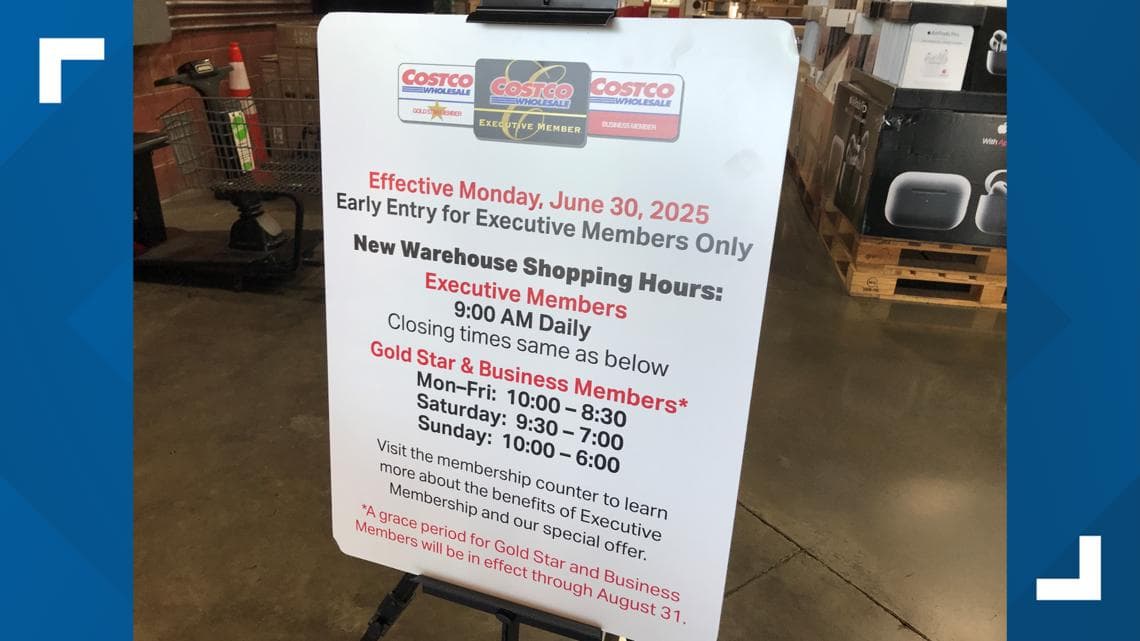
Costco’s warehouse locator looks like a shopper tool, but it functions more like a blueprint for the workday inside the building. The filters for gas station, car wash, tire center, food court, hearing aids, optical, pharmacy, and Business Center show how many separate traffic magnets can pull members through the warehouse at different times. Add the fact that Executive Member hours can begin earlier than Gold Star and Business hours, and the page starts to read less like a convenience feature and more like a schedule for labor.
The locator shows how the day is really built
The important thing about this page is not just whether a warehouse has a food court or a tire center. It is that Costco is telling you, in plain view, which services can be used to shape member flow throughout the day. A pharmacy pickup does not create the same pattern as a tire appointment, and neither behaves like a hearing-aid visit or a quick run to the food court.
That distinction matters because each of those stops changes how people move through the building. Some services create brief, steady trickles of traffic. Others create bursts that hit at predictable times, especially when members stack errands into the same trip. For front-end staff and managers, the locator is a reminder that traffic is not one flat wave. It is a series of overlapping pulses that need to be handled differently.
Earlier executive hours change the first rush
The clearest staffing signal on the locator is the earlier opening window for Executive Members. If those hours start before Gold Star and Business hours, the warehouse is already generating traffic before the main shopping day fully begins. That means the first wave of labor is not just about unlocking the building and setting the floor. It is about preparing for a controlled early rush.
For workers, that early access changes the pressure on the front end. Cashiers, greeters, cart runners, and supervisors are not waiting for a single mass arrival. They are managing staggered demand, with some members entering before the standard crowd and then a second, broader wave following behind them. That can affect how many registers are opened, when supervisors redeploy help, and how quickly the building needs to pivot from quiet to busy.
This is where the locator becomes a planning tool rather than a customer guide. It tells managers which membership windows matter and helps them anticipate when the front end will need to flex. It also explains why the same warehouse can feel calm in one hour and suddenly compressed the next. The difference is not random. It is built into the access schedule.
Service filters reveal hidden labor choreography
The specialty filters are just as revealing as the membership hours. Gas, car wash, tire center, food court, hearing aids, optical, and pharmacy are not separate features in operational terms. They are traffic engines, each with its own rhythm, staffing needs, and queue pressure. When members use them, they are not only shopping. They are entering different service lanes that have to be synchronized with the rest of the warehouse.
That has direct implications for cross-training and coordination. If a pharmacy line gets busy, it does not stay isolated from the front end. If the tire center sees a wave of appointments, it can change the flow of members through the building. If the food court gets slammed, it can create congestion at the edges of the warehouse that spills back into checkout and cart traffic. The locator does not say any of this out loud, but the structure of the page makes it obvious.
For hourly employees, that means the job is bigger than the station you are assigned to. A front-end assistant is not only checking receipts or corralling carts. You are helping coordinate a schedule of service points that peak at different times. A hearing-aid appointment, a pharmacy pickup, and a gas stop each add a different kind of pressure, and the building has to absorb all of it without letting the floor feel chaotic.
Why this matters on the floor
The real value of the locator is that it reflects how Costco actually operates, not just how it markets itself. The warehouse is organized around timing. The company is matching the right departments to the right traffic windows, and the page gives members enough detail to show where those windows are likely to be. That is useful for shoppers, but it is even more useful for people trying to staff a warehouse efficiently.
It also explains why some hours feel dedicated to very specific needs. Early executive access, pharmacy visits, tire appointments, and food court traffic can all carve the day into narrower segments before the main shopping rush even starts. Once you look at the locator that way, the page becomes a map of labor deployment as much as a list of services. It shows where pressure will land, which teams need to be ready first, and how quickly one part of the building can affect another.
For supervisors and managers, that makes the locator a quiet but valuable planning aid. For hourly workers, it is a reminder that the warehouse’s busiest moments are usually the result of design, not surprise. Costco’s traffic pattern is built out of access windows and service touchpoints, and the employees who keep the place moving are the ones translating that design into a workable day.
This article was produced by Prism’s automated news system from verified source data, official records, and press releases, then run through automated quality and moderation checks before publishing. The system is built and supervised by the people who set the standards it runs under. Read our full AI policy.
Did this article answer your question?