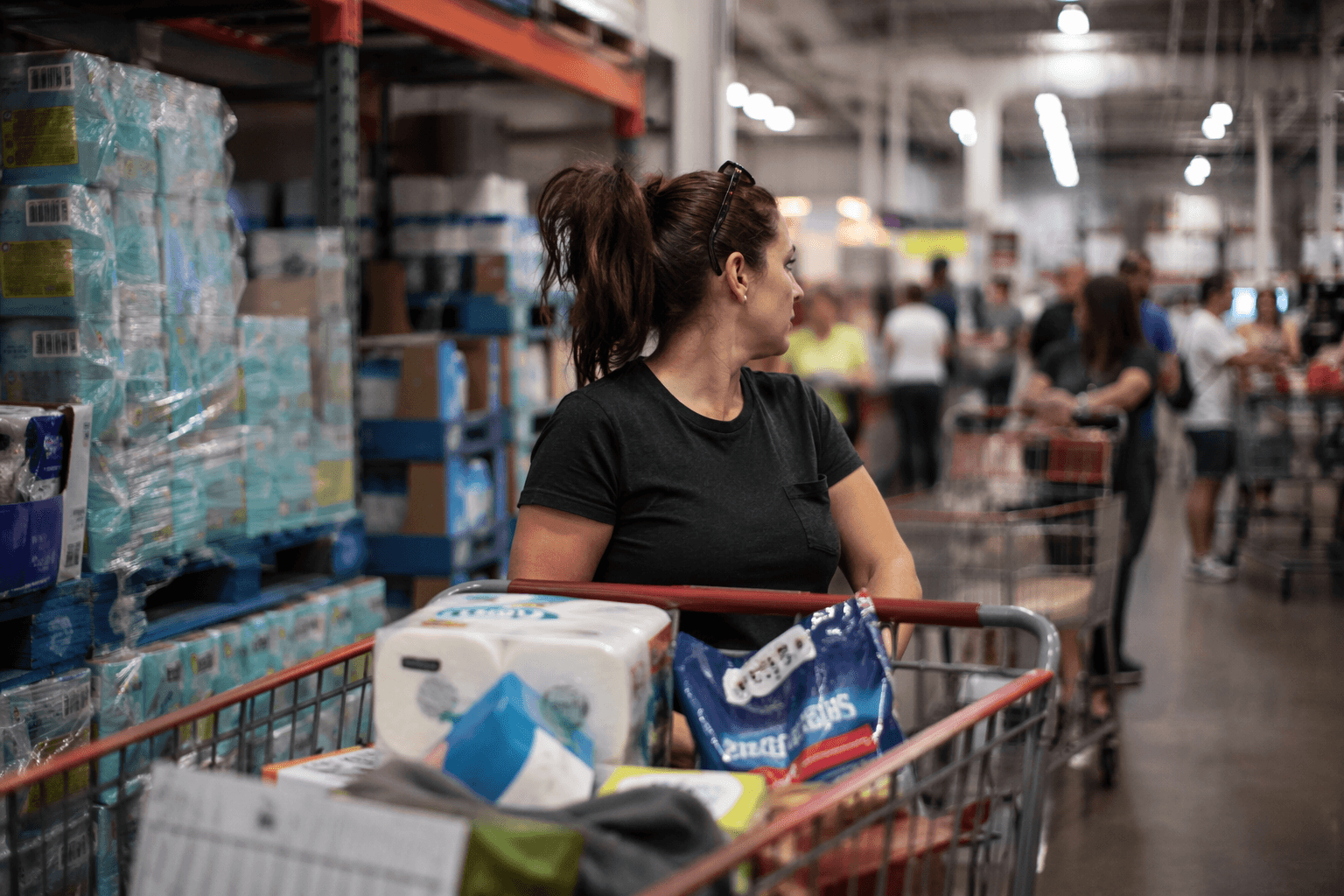
Costco weekly insider shows fast-moving summer deals across departments
One Costco weekly ad turns produce, meat, snacks and seasonal goods into a floorwide reset. The limits and short sale windows can hit stocking, cold storage and member service at once.

A single weekly flyer can ripple across every corner of a Costco warehouse, and this one does exactly that. Gold Kiwis, Kirkland Signature Head On Shrimp, USDA Prime Bone-In Ribeye, Frito Lay mix, POM Wonderful juice, Kirkland Signature chicken sausage, a summer grill, a pool float, a rechargeable toothbrush and an Acer touchscreen laptop all sit inside the same June 8 to June 14 window, forcing produce, meat, front-end and merchandising teams to work off one moving clock.
A mixed basket that becomes a floor plan
The power of this weekly page is not the individual deal, it is the collision of departments. Produce has to make room for Gold Kiwis while meat handles shrimp and ribeye, beverage and snack sections lean on POM Wonderful juice and Frito Lay mix, and seasonal and general merchandise absorb a grill, a pool float, a toothbrush and a laptop in the same cycle. That kind of mix turns one promo sheet into a daily operating guide for pallet drops, case splits, endcap resets and cold-chain coordination.
For workers, the pressure shows up in the smallest moments. Stockers need room to stage incoming product before the sales floor clears, forklift operators need clean lanes and fast handoffs, and managers have to decide what gets displayed first when a ribeye feature is competing with a summer grill and a tech item. The article of business here is not just moving boxes, but moving them in the right sequence so the member sees a full, orderly warehouse instead of a half-finished reset.
Why the limits matter as much as the price
Costco’s weekly featured-items page is built around limits and expiration windows, and that is where the member conversation starts on the floor. Several items carry quantity limits of five, while the page uses specific validity language such as “Valid through 6/14” and “Valid 6/8/26 - 6/14/26.” That matters because the question employees hear most often is not just whether the item is in stock, but whether it is still on sale or if another shipment is coming.
Those questions can land at the front end, in the aisles and at the service desk all day long. A member looking at Gold Kiwis or the Kirkland Signature chicken sausage may want to know if the price will hold past the weekend. Another member may assume a featured item is tied to the same window as the broader warehouse savings cycle, when in fact Costco notes that some savings run on different timelines and that prices may vary by location.
That timing difference is especially important this week because the broader Warehouse Savings cycle begins June 15 and runs through July 19, 2026. In practice, that means the warehouse is not just flipping one set of signs, it is moving from a short featured-items push into a longer savings period almost immediately. For employees trying to keep the floor accurate, the calendar is part inventory control and part customer service script.
What summer merchandising asks of each department
The mix of food and nonfood items shows how summer changes the rhythm of the building. Produce has to stay sharp because a featured fruit item can pull traffic early in the day. Meat and seafood need enough refrigerated space for premium cuts and shrimp, while grocery and snack aisles have to absorb fast-moving add-ons that members toss into the cart once they are already inside.
Seasonal and general merchandise bring a different kind of strain. A summer grill and a pool float take pallet space that might otherwise hold dry grocery, and a rechargeable toothbrush and Acer touchscreen laptop require merchandising attention that goes beyond simple replenishment. Endcaps, signage and display integrity all matter here, because if one item is sold through faster than expected, the whole presentation can look thin before the next truck even arrives.
That is why morning setup can feel like a race. Teams are not just filling holes; they are deciding whether a display needs to be built around the fastest mover, whether a refrigerated item needs a backup location, and how to keep the member path clear while the warehouse is still being reset. The weekly page looks like a shopper-facing promotion, but on the inside it functions more like a sequence of tasks that has to be executed before the first big rush hits the floor.
A snapshot of Costco’s larger operating model
This kind of weekly turnover fits Costco’s own description of its business model. The company says it relies on a limited selection of nationally branded and private-label products designed to generate high sales volumes and rapid inventory turnover. That helps explain why a one-week featured-items page can have such an outsized effect on labor, storage and presentation, because the whole system is built to move goods quickly and keep the assortment tight.
The scale behind that model is large. In fiscal 2025, Costco said it operated 285 warehouses outside the United States, equal to 31% of all warehouse locations. It also reported renewal rates of 92.3% in the U.S. and Canada and 89.8% worldwide, numbers that show how much the company depends on keeping members engaged and coming back through the door. For workers in both the United States and Canada, that means the weekly promo rhythm is tied to a much bigger membership engine than any single warehouse.
The digital side only adds to the pressure. Costco Same-Day advertises delivery in as fast as one hour, powered by Instacart, which extends the weekly item mix beyond the physical floor and into fulfillment. That matters because a product can move from pallet to cart to same-day order without much time in between, and employees in the warehouse still feel the effects when demand spikes suddenly.
Taken together, the June featured-items page is more than a bargain sheet. It is a look at how Costco manages a fast-turning summer assortment across fresh food, meat, beverages, snacks, seasonal goods and electronics, while keeping pace with short sale windows, quantity limits and a membership base that expects the floor to be accurate at all times. For the people loading pallets, running forklifts, setting ends and answering the same questions over and over, that is the real job hidden inside the ad.
This article was produced by Prism’s automated news system from verified source data, official records, and press releases, then run through automated quality and moderation checks before publishing. The system is built and supervised by the people who set the standards it runs under. Read our full AI policy.
Did this article answer your question?