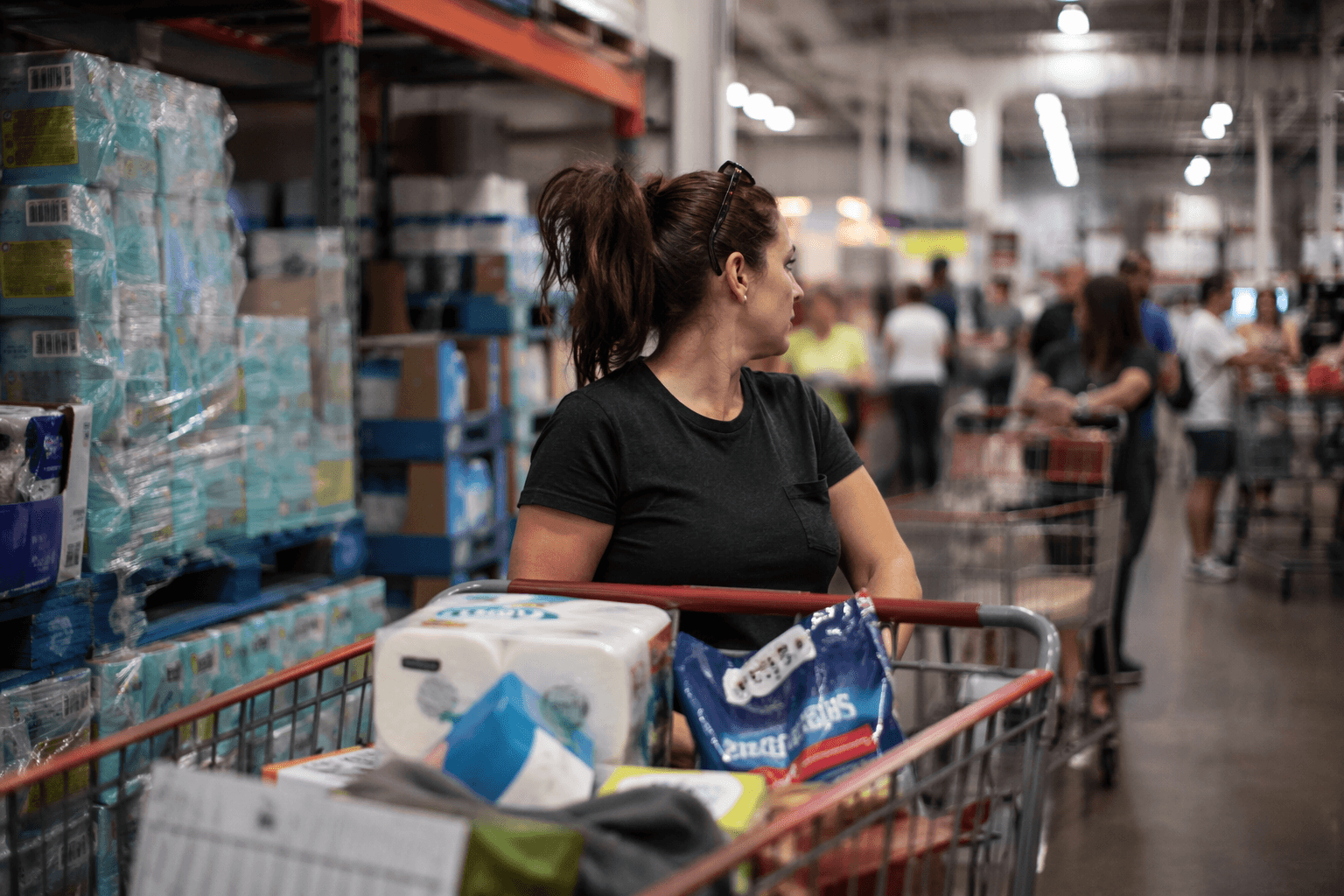
Costco workers can reduce injuries with NIOSH lifting tool
Costco's worst lifting risks are often the smallest motions. NIOSH's lifting equation helps spot when twisting, reaching, and repetition turn a routine task into a back injury.
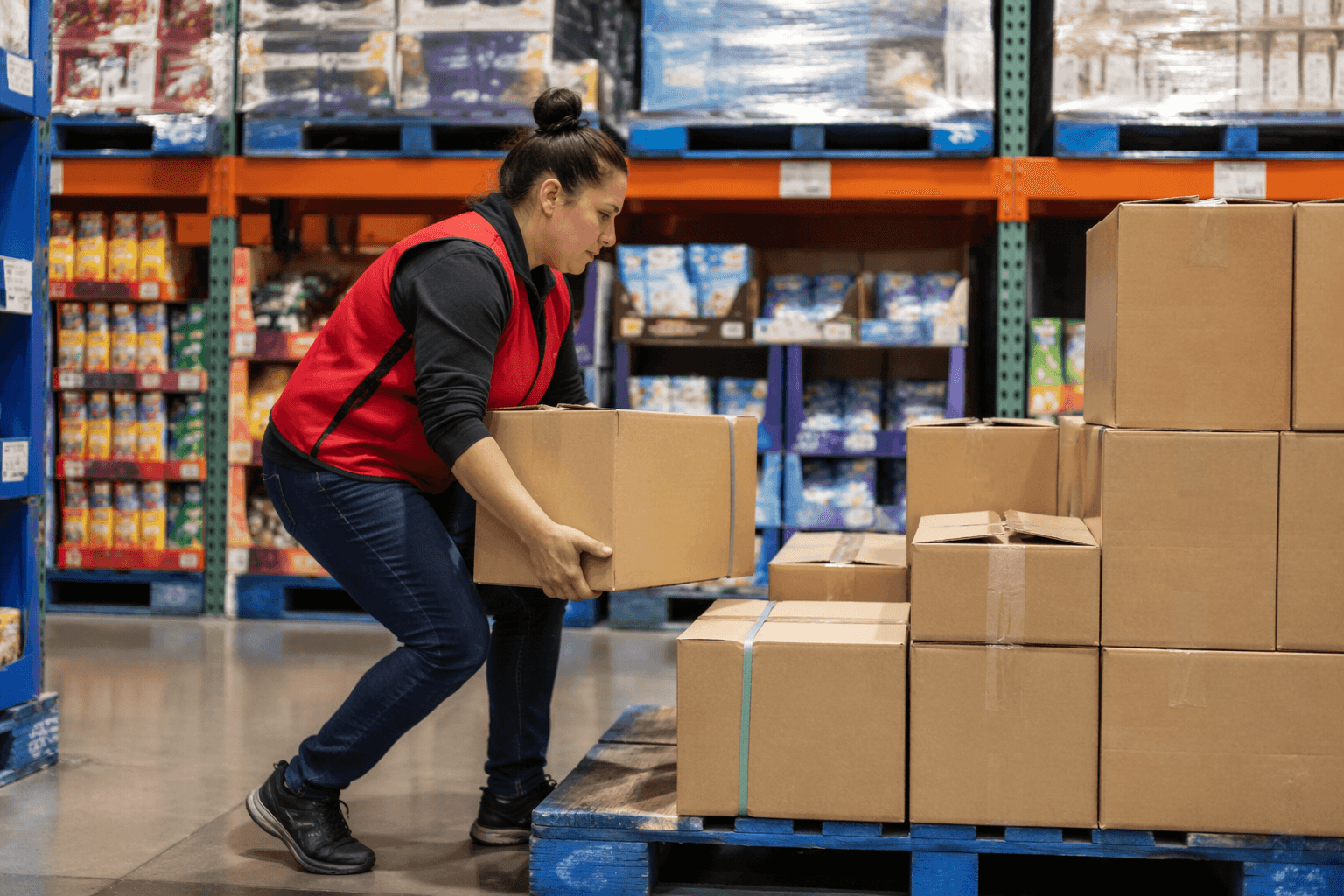
Costco’s fastest-moving tasks are also the ones that wear bodies down: lifting cases from awkward heights, twisting into pallets, pushing carts, and repeating the same scan-and-reach motion for hours. The good news is that ergonomics is not a vague wellness concept here. NIOSH has a practical lifting tool built for the exact mix of manual handling that warehouse retail depends on, and Costco workers can use it to cut the strain before it turns into an injury.
Why the smallest motion changes matter
NIOSH defines ergonomics as designing work tasks to fit workers’ capabilities, with the goal of preventing the injuries and discomfort that happen on the job. That matters in a Costco warehouse because the hazard is rarely one heroic lift. It is the stacked pressure of many smaller loads, repeated all shift, with your hands far from your body, your torso turned sideways, or no good place to set the case down.
NIOSH’s retail guidance says manual material handling injuries, also called overexertion injuries, account for 60% of the injuries and lost work in select retail businesses. That is the core story on a Costco floor. Stockers are moving product from pallets to shelves. Front-end assistants are pushing carts, handling returns, and taking awkward items from members. Meat and bakery workers are handling boxes, trays, and ingredients in tight spaces. Even repetitive front-end scanning can turn into a body-position problem when the workstation forces you to reach, twist, or lean for every item.
What the NIOSH lifting tool actually does
The Revised NIOSH Lifting Equation, often shortened to RNLE, is a tool for calculating risk in both single manual lifts and multiple-lift tasks. NIOSH says it can reduce low-back injuries because so many workers spend the day manually lifting and moving objects. That makes it more useful than a simple test of whether a box feels heavy or not. It asks the better questions: How often are you lifting it? How far is it from your body? Do you have to twist? Can you place it down without a second awkward move?
NIOSH also updated the NLE Calc mobile app on December 4, 2024 to help assess and prevent back injuries. For a warehouse manager or a lead on the floor, that matters because the RNLE is not just a back-office theory. It is a way to look at a stock task, a front-end restock task, or a repeated transfer from pallet to cart and see where the risk is piling up.
Where Costco work gets risky
OSHA’s grocery guidance is aimed at retail grocery stores, full-line supermarkets, discount merchandisers, and warehouse retail establishments. That makes it unusually relevant to Costco’s warehouse model, where the work flow is basically built around bulk movement. OSHA says grocery warehouses have three main functions: receive bulk goods, order-pick inside the warehouse, and ship goods to customers. Every one of those functions creates the same basic ergonomic challenge: moving a lot of weight in a way that does not grind down shoulders, backs, wrists, and knees.
The old rule of thumb that a lift is safe if the box is not too heavy is not enough. A case held close to the body is very different from the same case lifted from the floor while your torso is twisted and your feet are stuck in place. That is why front-end work can be surprisingly hard on the body. NIOSH research has raised concern that checker-unload workstations may increase musculoskeletal stress, and ergonomic evaluations have found some checkstand configurations put more biomechanical stress on the neck, shoulders, elbows, wrists, and back than others.
The small technique changes that do the most
For workers, the biggest gains usually come from habits that seem minor until you repeat them hundreds of times.
- Keep the load close to your body. The farther a case is from your center, the more stress it puts on the back and shoulders.
- Turn your feet instead of twisting your torso. Twisting while carrying is one of the fastest ways to turn a routine lift into a strain.
- Set up the next move before you lift. If there is no clear landing spot, move the destination first so you are not holding the load longer than needed.
- Ask for a second set of hands on oversized or awkward items. That is especially important when product is bulky, slippery, or hard to grip.
- Use carts, pallet jacks, and other mechanical help whenever they are available. The safest lift is often the one you do not do manually.
- Break down bulky handling into smaller steps when possible. Fewer overloaded carries beat one strained trip.
- On the front end, keep the scan and bag zone within easy reach. The less you extend and twist, the less the workstation punishes you by the end of the shift.
Those changes are not about working slower for the sake of it. OSHA’s grocery guidance explicitly notes that reducing twisting or extended reaching at checkstands can improve cashier effectiveness and productivity. In other words, ergonomics is not just an injury-prevention strategy. It is a performance strategy.
What managers should build into the shift
NIOSH’s ergonomics program guidance is clear that prevention works best when employers identify risk factors, involve and train workers, and keep evaluating the program over time. That is especially important in a warehouse where the same injury pattern can show up in different departments for different reasons. A stocker and a front-end assistant may not do the same tasks, but they both lose when the workday is built around repetitive strain.
OSHA also says pallet-unloading patterns, break schedules, training, and hours worked can greatly influence injury risk. That is the practical management lesson. If the day is organized so workers are rushing through a tight unloading pattern with too little recovery time, the body pays for it later. If training is treated as a one-time orientation instead of a live part of the job, workers end up improvising under pressure. And if hours keep stretching without attention to fatigue, the risk climbs even when the box sizes stay the same.
That is why NIOSH’s updated 2024 Elements of Ergonomics Programs guide matters. It gives employers a step-by-step prevention framework for work-related musculoskeletal disorders, which is exactly the kind of problem Costco’s warehouse format can create if the work is not managed carefully.
Why this fits the Costco model
Costco’s business depends on moving a huge amount of product with a relatively lean crew, and that makes worker health part of the operating model, not a side issue. The company’s high-wage, benefits-heavy reputation only works when people can stay on the floor long enough to use it. Healthy stockers, front-end assistants, meat and bakery workers, optical staff, forklift operators, and warehouse managers are what keep the wheel turning.
The numbers from retail research make the case plain. NIOSH documented a grocery warehouse back-injury rate of 16 per 100 workers among order selectors. It also studied 31,076 retail merchandise store material handlers from 260 U.S. stores to examine daily lifting and merchandise movement as a core exposure. That scale is the point: this is not about a rare mishap. It is about ordinary work, repeated thousands of times, becoming injury risk when the setup is wrong.
For Costco workers, the lesson is simple. Treat every lift, reach, and turn as part of a system. The RNLE helps identify the risk, but the real protection comes from the day-to-day choices: better setup, fewer twists, less overreaching, more help on heavy items, and a work pace that respects the body. That is how a warehouse stays productive without wearing people out.
This article was produced by Prism’s automated news system from verified source data, official records, and press releases, then run through automated quality and moderation checks before publishing. The system is built and supervised by the people who set the standards it runs under. Read our full AI policy.
Did this article answer your question?