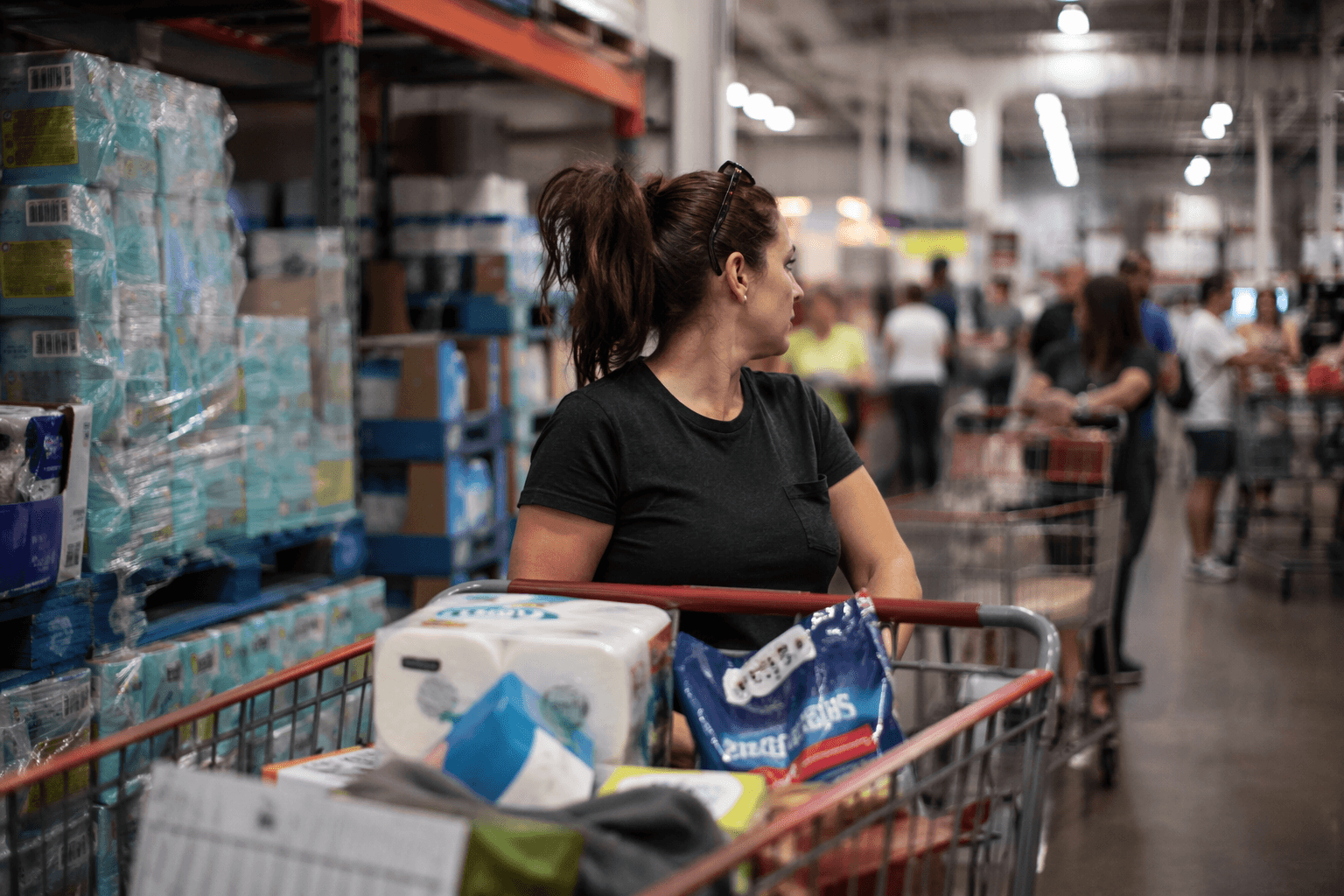
Costco workers can use NIOSH tool to judge lifting risk
The NIOSH lifting equation gives Costco workers a fast way to flag risky lifts before a back injury starts, especially when pallets, bulk cases and cramped spaces change the math.
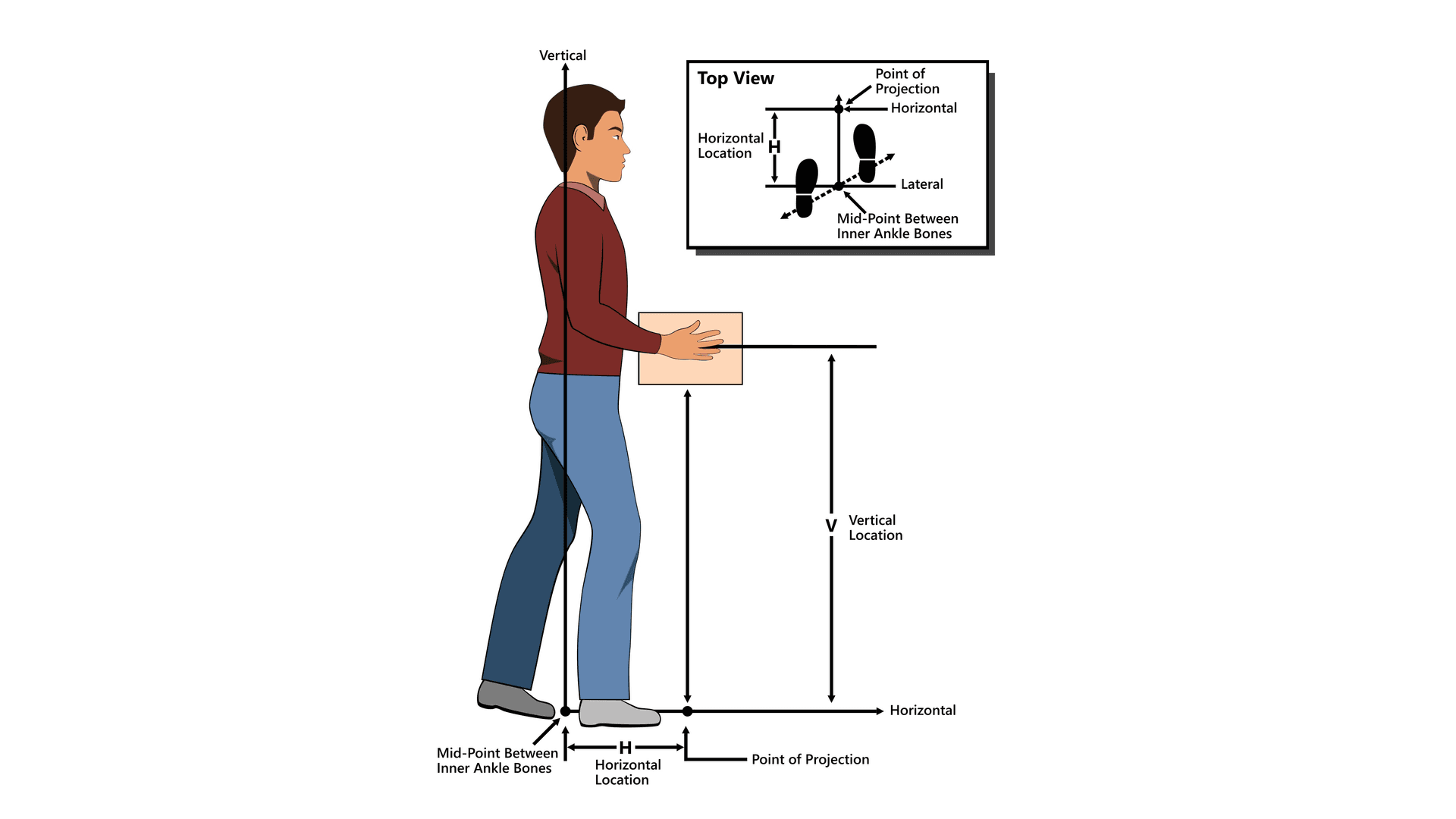
Costco floors run on repetition, speed and weight. That is exactly why the Revised NIOSH Lifting Equation matters: it gives stockers, receivers, meat teams and safety leads a way to judge when a lift is no longer just hard work, but a job-design problem that needs to change.
Why the equation matters on a warehouse floor
The National Institute for Occupational Safety and Health says the Revised NIOSH Lifting Equation, or RNLE, is designed to calculate risk for work-related musculoskeletal disorders and can be used for single and multiple manual lifting tasks. In plain terms, it is a tool for deciding when a lift is getting risky enough that the load, the layout or the method should change before somebody’s back pays for it.
That fits warehouse life better than a lot of generic safety advice. Costco workers do not just lift one box in an open, tidy space. They pull bulk items off pallets, hand-stack cases, break down loads, move product through narrow aisles and sometimes work against the clock when receiving is backing up or the floor is still full of customers. NIOSH says using the equation can reduce the incidence of low-back injuries, which is the kind of result workers care about when the job is defined by repeated lifts under pressure.
What the RNLE actually measures
The equation is most useful because it turns the details of a lift into something measurable. In a warehouse, the question is rarely just whether a case is “heavy.” It is whether the case is far from the body, awkwardly placed on a pallet, lifted repeatedly, or moved with too little room to set it down safely. Those small differences change the risk.
That is why the RNLE is so practical for real Costco situations. A pallet that looks manageable at first can become a problem if the cases are low to the ground, too deep on the pallet, or positioned so the worker has to reach and twist. A lift that feels acceptable in one moment can look much worse once you factor in repetition, distance traveled and the worker’s ability to get both hands on the load. The equation is built for those kinds of decisions, not for abstract ergonomics talk.
How to use it before a lift turns ugly
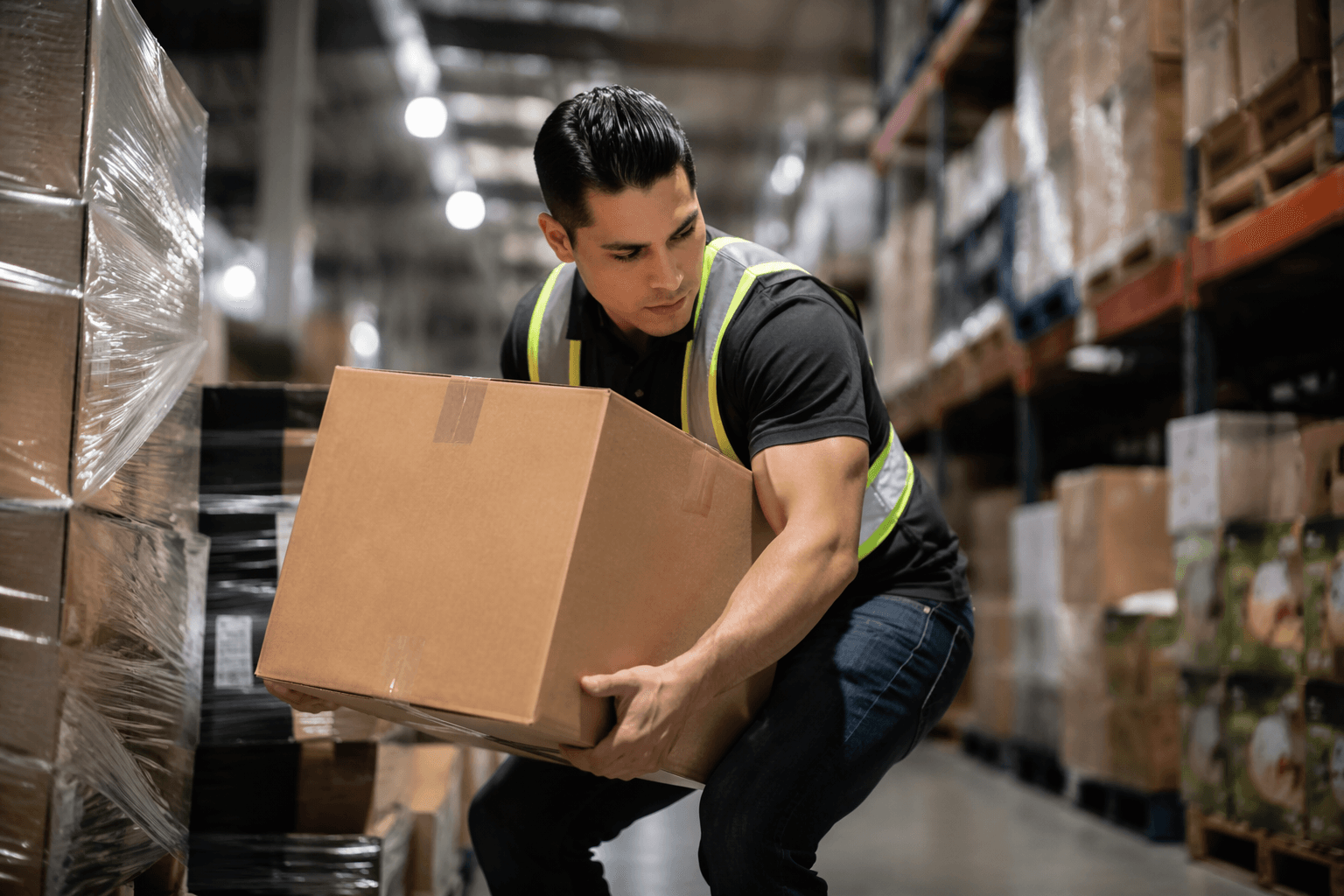
The simplest way to think about the RNLE is as a quick gut check backed by a method. If a lift is being considered, the first question is whether the load can be changed: can the pallet be broken down, can the product be staged closer, or can the task be split so the lift is shorter and safer? If not, the next question is whether a team lift makes more sense than a solo lift.
That matters for Costco’s bulk flow. A single worker may be able to handle one case, but the equation helps highlight when the cumulative job is too much because the lift repeats many times, the start point is too low, or the box is in a bad location on the pallet. In other words, the RNLE does not just judge weight. It helps decide whether the work setup itself is unreasonable.
For supervisors and safety leads, the NIOSH applications manual and mobile tool make that calculation more accessible when a practical call has to be made quickly. The tool is there to support decisions in the moment, not after somebody has already been sidelined with a back injury.
Where the equation fits Costco work, and where it does not
The warehouse environment creates a lot of lifting situations, but not all of them fit the RNLE equally well. OSHA says one-handed lifts and lifting in constrained or restricted work spaces are not tasks designed to be covered by the lifting equation. That is important in a Costco building, where a worker may be squeezed into a tight receiving area, reaching around equipment or handling something with only one arm available.
That limitation does not make the tool less useful. It makes it more useful as a screen. If a task falls outside the equation’s intended use, that is a sign that separate controls may be needed, especially in cramped or awkward spots. OSHA also says warehousing and storage facilities face hazards from forklifts, ergonomics, material handling, chemicals, slips and falls, and robotics, and that the most common injuries are musculoskeletal disorders, mainly from overexertion in lifting and lowering, plus being struck by powered industrial trucks and other material-handling equipment. In a building like Costco, those risks overlap fast.
What the history says about why this tool stuck
The RNLE did not appear out of nowhere. NIOSH first developed an earlier lifting equation in 1981 and revised it in 1991 after a review of lifting research. The principal objective was straightforward: prevent or reduce low-back pain from manual lifting. The current RNLE was published in 1994, and NIOSH says that publication drew substantial interest from researchers and field safety professionals because it improved risk assessment for manual lifting jobs.
That interest was not just academic. NIOSH says surveys found certified professional ergonomists in the United States and other English-speaking countries recognize the RNLE as an effective ergonomic risk assessment tool. That kind of recognition matters in warehouses, where people making safety calls need something that is both practical and credible on the floor.
The mobile app and the modern version of the tool
NIOSH has also kept the tool current. The agency says the first version of the NLE Calc mobile app appeared in 2017, and a 2024 update added features to help evaluate lifting jobs using the Recommended Weight Limit, Lifting Index and Composite Lifting Index. That makes the tool easier to use in a fast-moving setting where a supervisor cannot spend half a shift doing calculations by hand.
The RNLE applications manual is itself an updated version of the 1994 guide. NIOSH says the 2021 revision corrected typographical errors and made the document searchable and 508-compliant. For warehouse managers, that matters because the best safety tool is the one people can actually pull up, read and use when a pallet is about to be broken down or a dock lane is starting to clog.
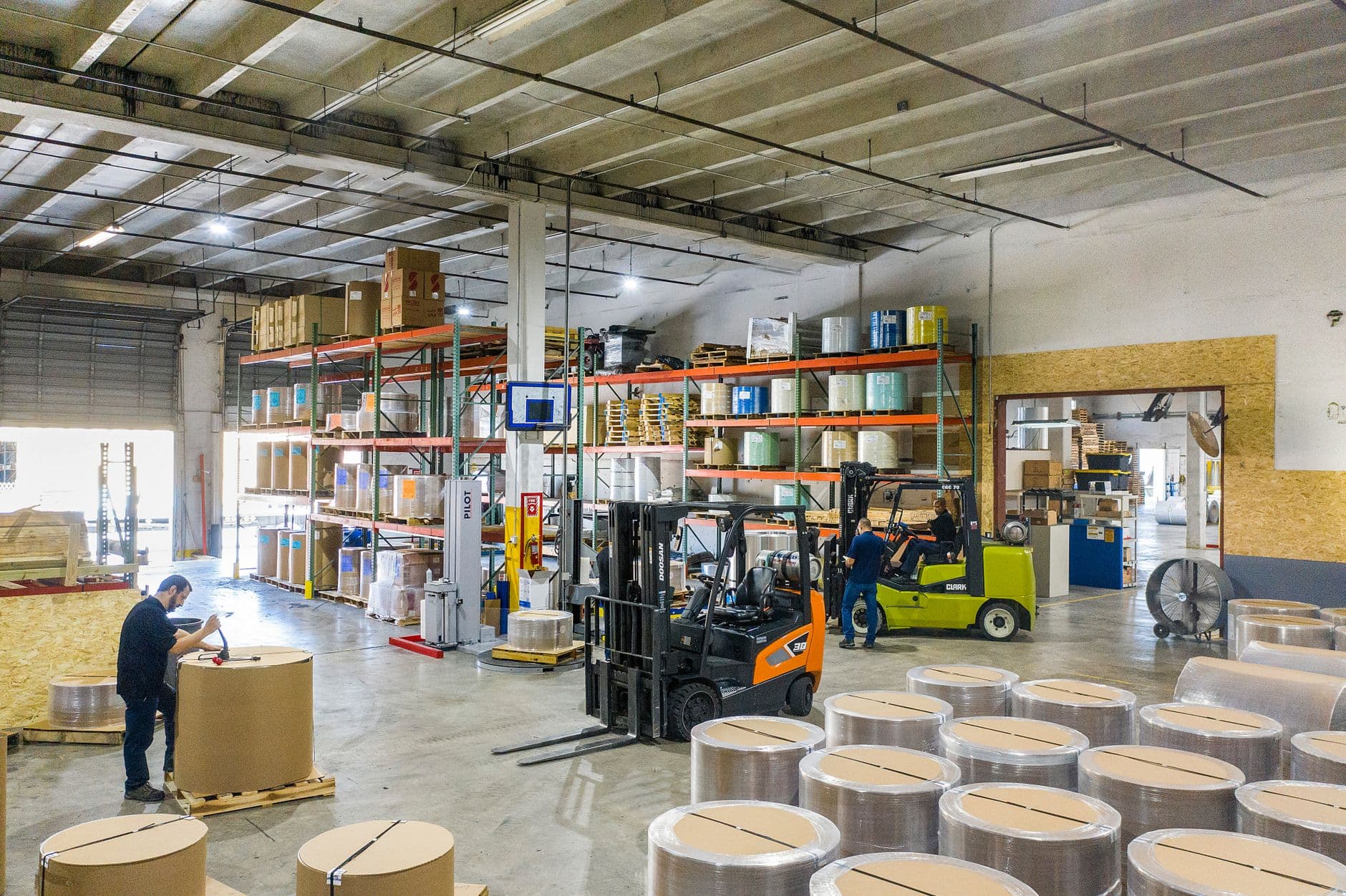
Costco’s packaging rules show how the supply chain shapes the lift
Costco’s own packaging guidance lines up with that same logic. As of December 1, 2022, Costco required standard handling graphics pictograms to be printed in the upper left corner on all four sides of large-item packaging. That may sound like a small logistics detail, but it shows how much the company depends on standardized handling information as product moves through the supply chain.
For workers, that matters because packaging and labeling influence how a case gets handled long before it reaches the floor. Clear handling graphics can help a receiving team understand what the load needs, but the RNLE adds the next layer: even when a package is labeled correctly, the lift may still be a bad one if the setup is wrong. The two ideas work together. One tells you how the item should move; the other helps you judge whether the human body should move it the way the job is currently designed.
The practical takeaway for Costco workers
The RNLE is not about making lifting effortless. It is about stopping the point where “part of the job” starts becoming avoidable injury. For Costco workers, that means looking at more than the weight on the carton: where the load sits, how far it has to travel, how often it repeats, whether there is room to set it down, and whether the task should be split, staged or team-lifted instead.
That is the real value of the tool. It gives workers and managers a common language for saying when a lift is reasonable and when it is not. In a warehouse built on speed and volume, that kind of decision can save a back long before it saves a lost-time case.
This article was produced by Prism’s automated news system from verified source data, official records, and press releases, then run through automated quality and moderation checks before publishing. The system is built and supervised by the people who set the standards it runs under. Read our full AI policy.
Did this article answer your question?