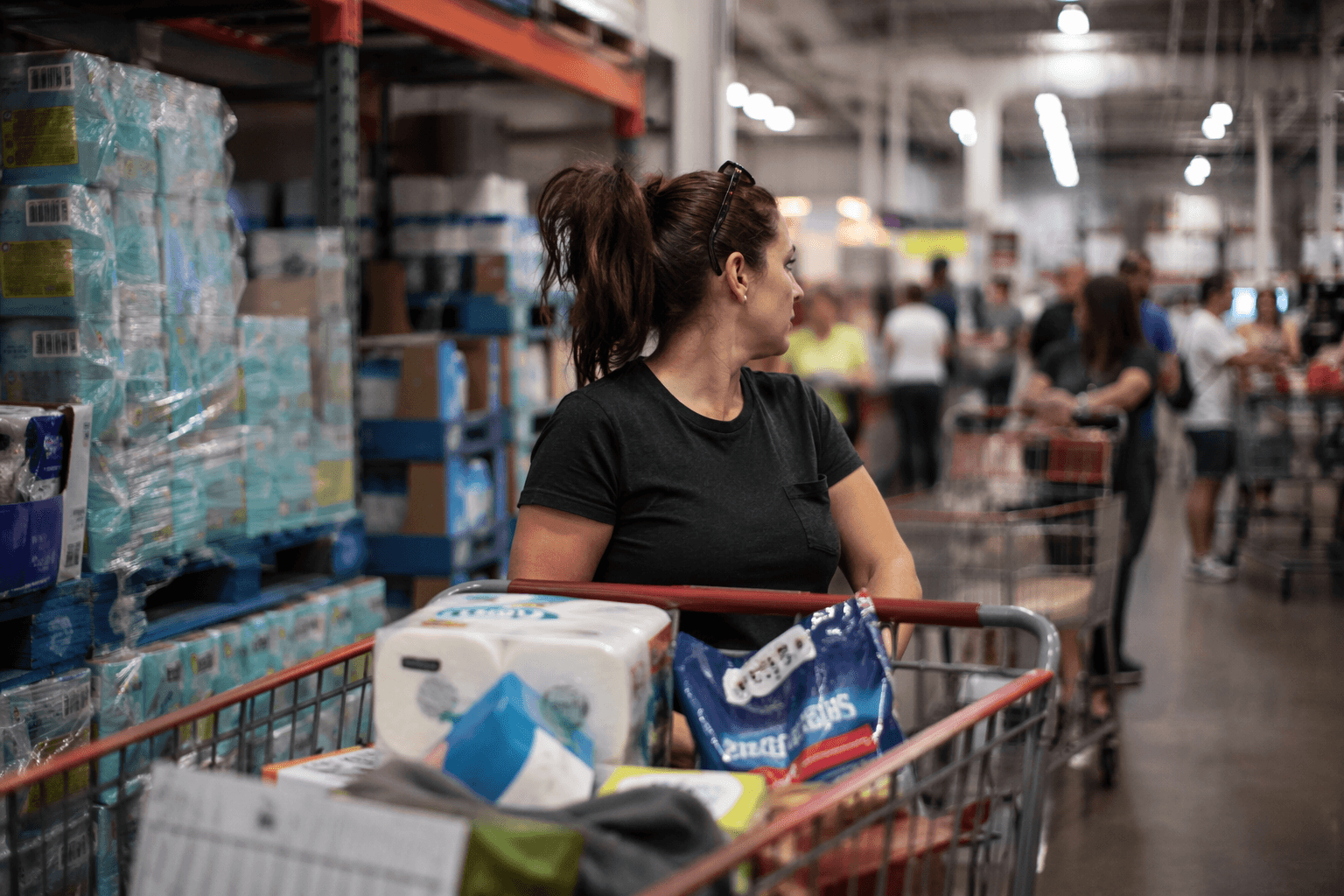
Costco workers flag self-checkout card scheme, police find 28 cards
South Windsor Costco workers flagged suspicious self-checkout activity, and police later said they found about 28 credit cards with different names in a suspect vehicle.
Costco workers in South Windsor, Connecticut, turned a self-checkout problem into a police case after flagging suspicious activity involving Brittany Howard and Kasheem Williams, two New York residents. Officers later said they found about 28 credit cards bearing different names in the suspects’ vehicle, after the same pair was linked to attempted fraudulent card use at two Connecticut Costco locations.
For front-end assistants and membership clerks, the case shows how much of Costco’s shrink control now starts with the people standing closest to the scanner. The job is not just moving members through quickly. It is spotting mismatched cards, odd payment behavior, rushed transactions, or shoppers who seem to be moving in a coordinated way between warehouses, then deciding when to escalate instead of trying to fix the problem at the register.
That balance is getting harder as Costco pushes more verification into the shopping journey. Costco Customer Service says it asks to see a membership card with a photo at self-service checkout because non-member shoppers have been using cards that do not belong to them. The company also says membership cards are nontransferable, though a primary or affiliate member can add one free household card for someone over 16 at the same address.

The controls do not stop at self-checkout. Costco says membership scanners are being deployed at warehouse entrances, and once the system is in place, members must scan a physical or digital card to enter. The company’s membership terms say shoppers must scan their card at the front door and show it again when checking out at a payment register. Costco says the photo requirement is meant to better protect the account if a card is lost or stolen.
The South Windsor case fits a pattern Costco has been tightening against since at least June 2023, when it told CNBC that self-checkout expansion had brought increased abuse and that it would ask for photo IDs when needed. For warehouse managers, that means shrink prevention now depends on staffing, training and fast communication as much as it does on cameras or checkout software. Every extra verification step can slow the lane; every missed warning can turn into a police call.
This article was produced by Prism’s automated news system from verified source data, official records, and press releases, then run through automated quality and moderation checks before publishing. The system is built and supervised by the people who set the standards it runs under. Read our full AI policy.
Did this article answer your question?