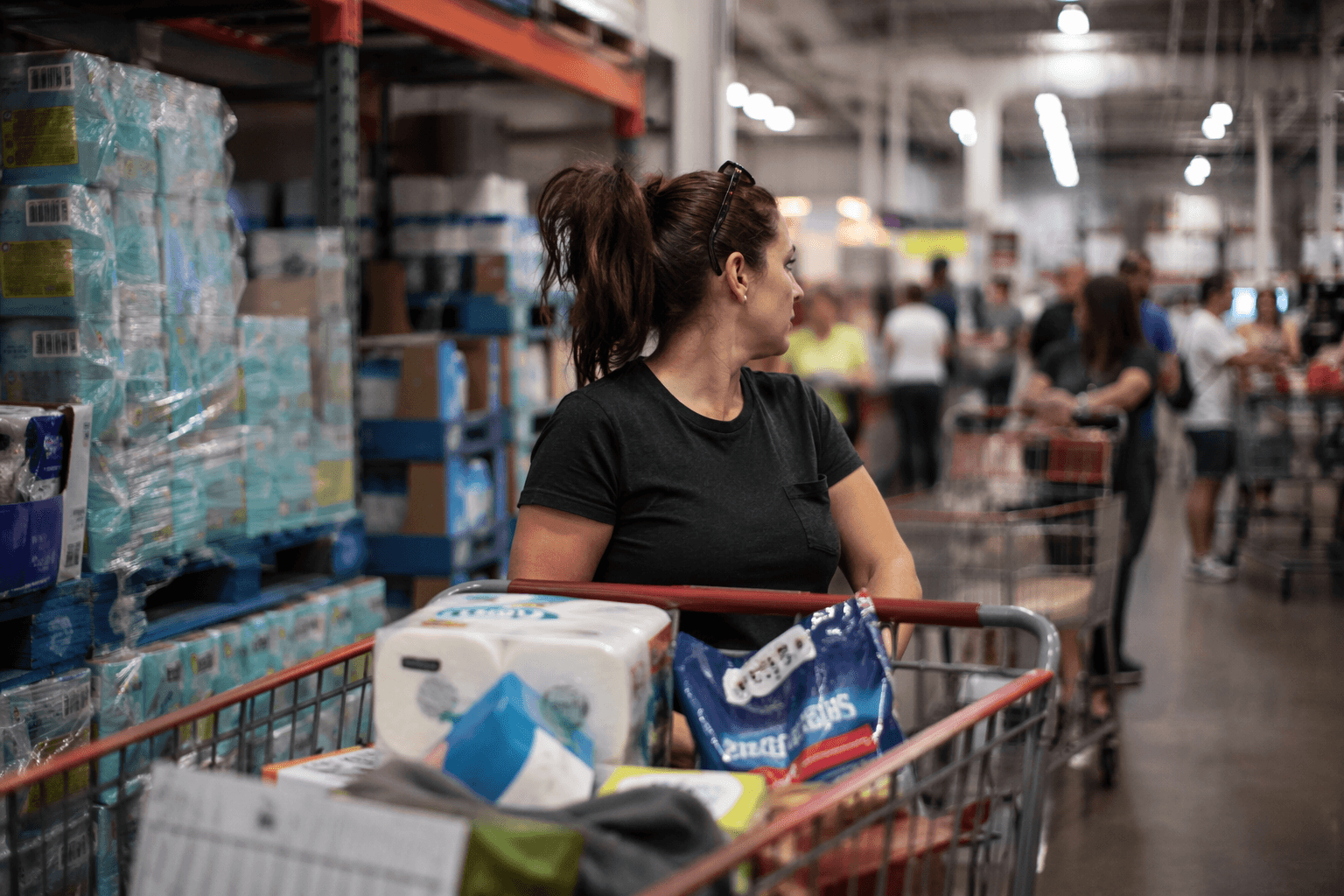
Costco workers watch Teamsters talks over wages, scheduling and benefits
Teamsters bargaining at Costco is about the floor-level issues workers feel every week: pay progression, schedules, benefits, discipline and job security.
Costco workers tend to follow Teamsters talks for a simple reason: the negotiation affects the parts of the job that matter most when the shift starts, the line backs up and the schedule changes. The fight is not abstract. It is about how far wages rise, how predictable hours are, how health coverage holds up and how much protection workers have from arbitrary treatment.
What the talks mean on the warehouse floor
At Costco, union bargaining is best understood as a standards question. Workers covered by a contract want to know whether pay progression will keep pace, whether top-out pay remains worth building a career around and whether overtime, discipline and transfers are spelled out clearly enough to prevent surprises. Those issues are especially sensitive in high-volume departments where the work is physical and the people doing it are trying to plan around a real life, not just a weekly schedule.
That is why bargaining news travels fast inside the building. Front-end assistants notice it when line speeds, breaks and assignment changes become more closely watched. Stockers, forklift operators, meat and bakery employees, optical staff and warehouse managers all feel the effect when employees start asking sharper questions about posting rules, time off and whether the company is treating people consistently from one department to another.
The issues workers track most closely
The subjects that come up in Teamsters talks are usually the ones workers think about every week, not every year. Wage progression sits near the top of the list because employees want to know how long it takes to move up and whether the path to better pay is actually dependable. Scheduling predictability matters just as much, especially when workers are trying to coordinate child care, school, second jobs or a commute that gets harder the moment shifts change.
Health coverage and overtime are part of the same calculation. A good benefits package can make a warehouse job feel like a long-term job instead of a stopgap, while overtime rules can determine whether extra hours are a welcome chance to earn more or a source of burnout and conflict. Discipline standards matter too, because workers want to know whether management can hand out punishment evenly and whether there is real protection against arbitrary treatment.
Why nonunion Costco employees still watch
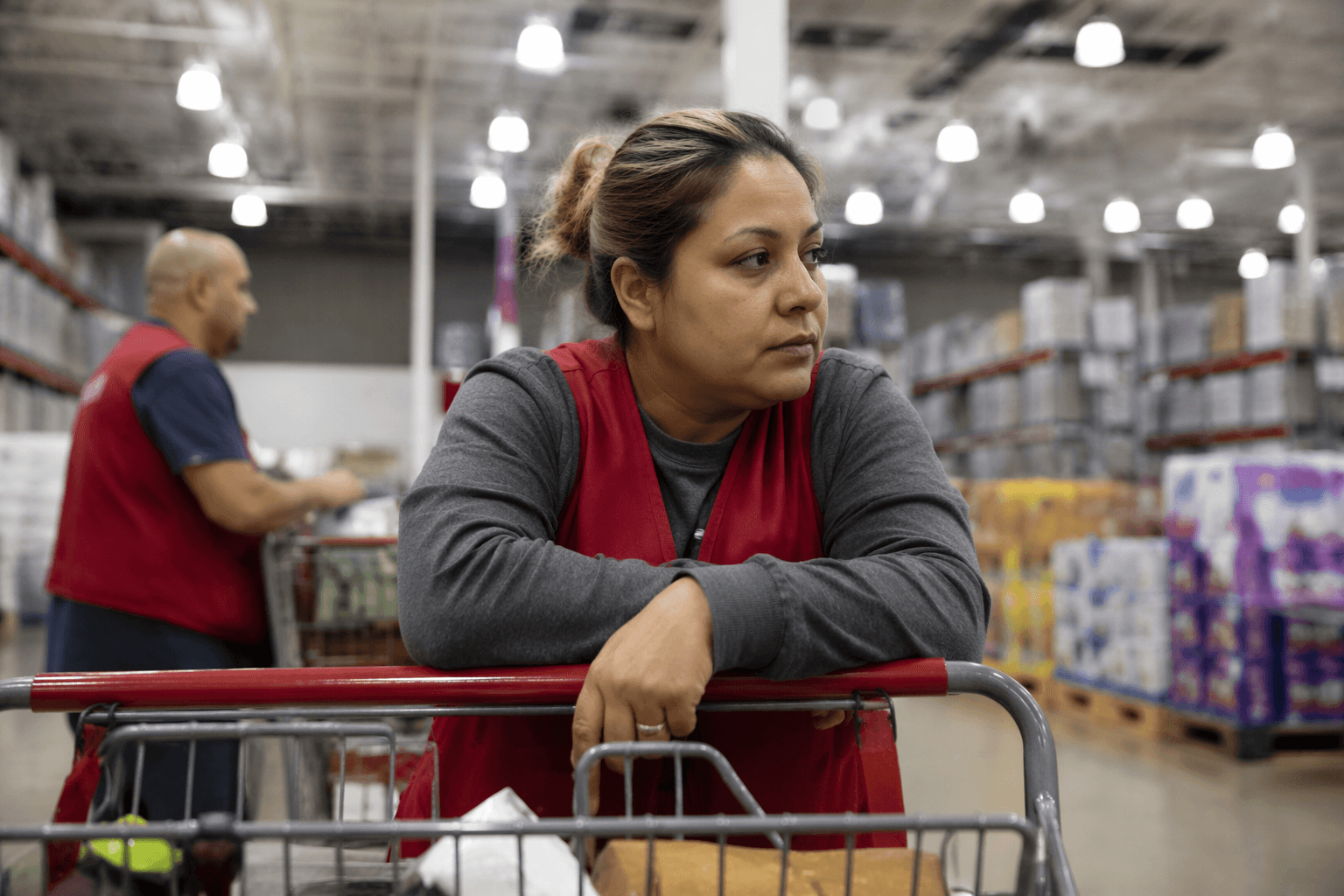
Even employees at nonunion locations pay attention to these negotiations because the outcome can become a benchmark. If workers at one warehouse win clearer scheduling rules or stronger discipline language, employees elsewhere begin to ask why that standard should stop at the contract boundary. That is especially true at a company with a reputation for relatively strong pay and benefits, where workers already believe the employer can afford to set a higher bar.
That reputation cuts both ways. Costco’s strong brand as an employer can make organizing more difficult than it is at lower-wage retailers, but it also raises expectations. When employees believe a company prides itself on good treatment, they are less willing to accept vague scheduling practices or loose language around transfers, breaks and discipline. The company’s own image becomes part of the pressure in the room.
How bargaining shapes the culture around the building
When a bargaining round is active, managers often feel the effect before any contract language changes. The mood shifts in small but meaningful ways: employees ask more questions, supervisors hear more about posting rules and labor practices, and people become more sensitive to how assignments are handed out. In a warehouse, those details matter because fairness is often judged through repetition, not speeches.
That is especially important in a place like Costco, where the work is fast, physical and built around keeping a large operation moving. Employees who want to stay for years are not just looking for a paycheck. They want enough predictability to make the job sustainable, enough clarity to know what management can and cannot do and enough confidence that the rules will hold up when business gets busy.

Why the company’s model raises the stakes
Costco’s reputation as a relatively strong-paying employer creates a different kind of labor dynamic than the one you see at a bargain-basement retailer. Workers do not organize there simply because the job is bad. They organize, or follow union talks closely, because they want to protect a decent floor and push it higher. That makes bargaining a test of whether the company is willing to match its public image with day-to-day practices on scheduling, discipline and transfers.
For managers, that means labor relations are not just about avoiding conflict. They are about keeping trust intact in a workforce that notices inconsistency quickly. When employees believe the company is asking for flexibility, they will look for stability in return. If that balance slips, the gap between corporate messaging and warehouse reality gets harder to ignore.
What workers should take from the talks
For anyone considering a Costco job, union developments offer a window into the company’s actual position on wages and working conditions when employees have organized representation. They show whether the company is comfortable putting clear standards in writing or whether it prefers to preserve more management discretion. That distinction affects daily life far more than the headlines around it suggest.
For current workers, the larger lesson is that warehouse standards are never fixed forever. They are negotiated, defended and sometimes improved when employees stay informed and engaged. At Costco, that means the Teamsters table is not just about labor politics. It is a live measure of what the job will feel like next month, next year and, for the people trying to build a career there, long after the bargaining session ends.
This article was produced by Prism’s automated news system from verified source data, official records, and press releases, then run through automated quality and moderation checks before publishing. The system is built and supervised by the people who set the standards it runs under. Read our full AI policy.
Did this article answer your question?