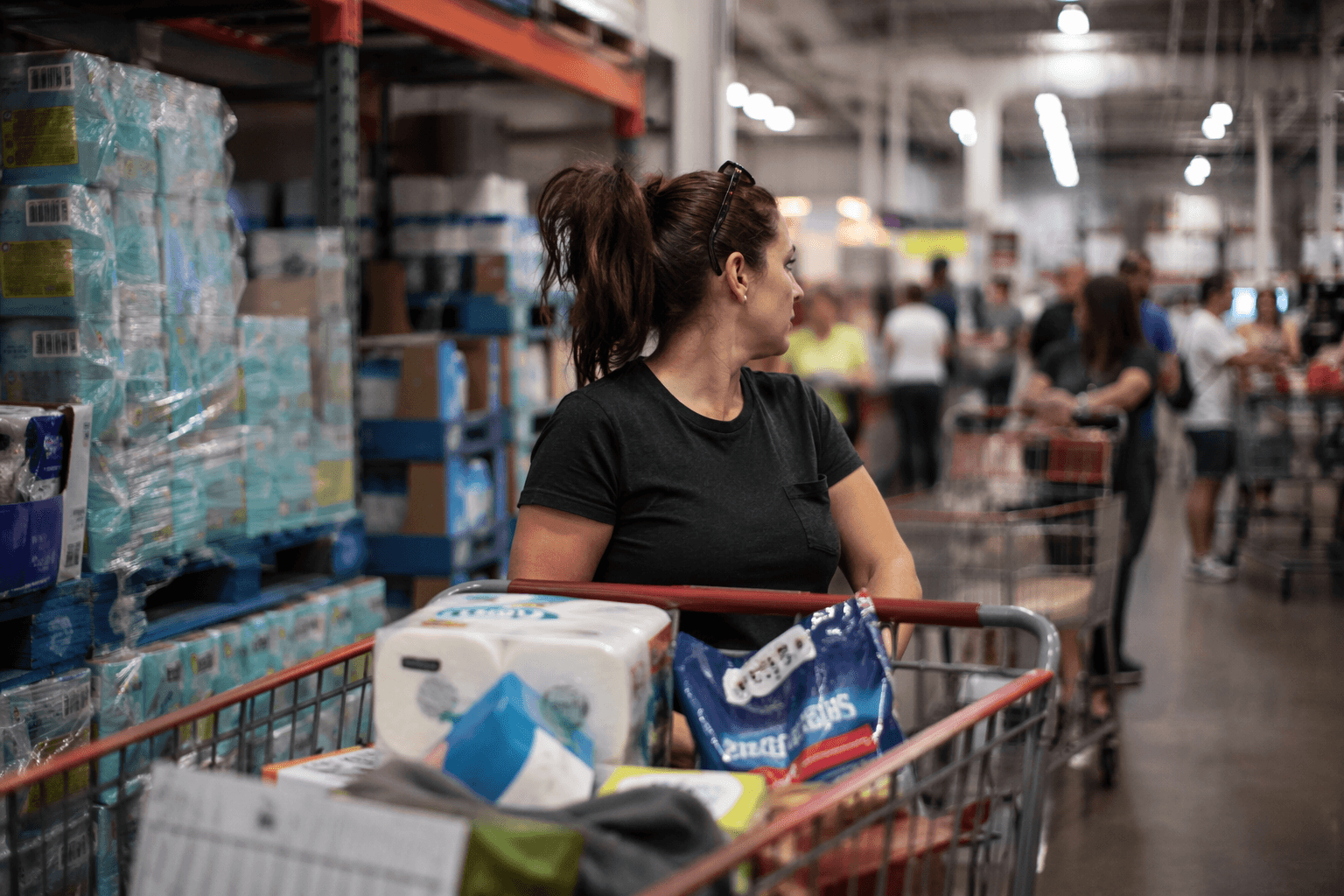
Costco’s in-house manufacturing powers lower prices and faster fulfillment
Costco’s hidden factories and labs help keep shelves stocked, orders moving, and prices pinned down. That control shapes everything from optical turnaround times to the work flow on the warehouse floor.

Costco is not just a warehouse chain with a strong buying team. It also runs its own manufacturing businesses, and that behind-the-scenes control helps explain why the company can promise low prices, fast turnaround, and a surprisingly consistent experience from one location to the next. For the people on the floor, that matters every day: if the systems behind optical, meat, packaging, or private label slip, the delay shows up in the warehouse as a stock issue, a service problem, or a frustrated member.
The hidden factory behind the warehouse
Costco’s own company profile says Costco Wholesale Industries operates manufacturing businesses that include special food packaging, optical laboratories, meat processing, and jewelry distribution. The point of those businesses is not just to make Costco bigger on paper. The company says they exist to deliver high-quality products at substantially lower prices, which fits the broader Costco model of limited selection, volume purchasing, efficient distribution, and rapid inventory turnover.
That is the part many workers feel before they ever see it in a corporate document. If you work front end, stock, merchandising, meat, bakery, or optical, you are not dealing with a standard retail setup where everything arrives fully assembled from outside vendors. Costco’s internal support system changes how product gets made, moved, and replenished. In practice, that means the company has more levers to pull when it wants to control quality, speed, and cost.
The annual-report language makes the structure even clearer. Costco says it operates processing, packaging, manufacturing, and other facilities to support the business, including production of certain private-label items. That tells you the company is not relying on one isolated in-house unit. It has built a broader supply chain where production, packaging, and distribution reinforce the warehouse model.
Why optical moves faster than a typical retail counter
Costco Optical is one of the clearest examples of how vertical integration reaches the member experience. Costco says members can bring a valid prescription or schedule an eye exam with an independent doctor of optometry in or next to most warehouses. It also says most orders are available for pickup in 5 to 7 days.
That matters for optical staff because it changes the rhythm of the department. You are not just selling frames and lenses off a shelf. You are working inside a fulfillment chain that is tied to labs, prescriptions, and pickup timing, which creates a faster and more controlled service model than a simple outside-retail arrangement.
For managers, the implications are practical. Short turnaround depends on coordination, and coordination depends on the systems behind the counter. If the lab slows down, if a prescription needs extra handling, or if volume spikes, the issue is not just a customer-service complaint. It affects staffing, pickup flow, and the day’s labor balance inside the warehouse.
Meat, packaging, and the value of consistency
The same logic applies even more directly in meat. Costco’s manufacturing profile specifically names meat processing, which helps explain why quality and consistency are so central to the brand story in that department. When a company controls more of the processing chain, it has more ability to standardize product and more responsibility when something goes wrong.
Packaging is part of that control as well. Costco says it runs special food packaging businesses, and that detail matters on the warehouse floor because packaging affects shelf life, speed to shelf, and how easily product moves through the building. A delay in packaging or distribution does not stay invisible upstream. It can show up as an empty case, slower replenishment, or extra work for stockers and meat crews trying to keep the department looking full.

For bakery and merchandising teams, the lesson is similar even when the products are different. Costco’s system is built around tight inventory movement and a carefully selected assortment, so the warehouse is only as smooth as the supply chain feeding it. When the company owns more of those support functions, it can tighten the flow, but it also makes every department more dependent on what happens before the pallet reaches the floor.
Kirkland Signature is part of the same playbook
Costco’s private label is not an afterthought. The company says Kirkland Signature has been around since 1995, and it has also said it explores vertical integration and in-country production of some Kirkland items to secure a long-term supply of quality products without unnecessary costs.
That is a crucial point for workers who see Kirkland product move through the building every day. Private label is not just about a branded box or a lower price tag. It is a strategic channel for Costco to control specifications, sourcing, and availability. In a warehouse environment, that can translate into fewer surprises, steadier supply, and a more predictable member experience, especially when the company is trying to keep prices low without sacrificing quality.
It also shows why Costco’s supply chain feels different from a conventional retailer’s. The company is not merely negotiating with vendors. In some categories, it is helping shape the product itself, from production to packaging to distribution.
Why the hot dog still says so much about the model
If you want a consumer-facing example of how serious Costco is about price discipline, look at the food court hot dog. Reporting on the company has cited 151 million hot dog combos sold in fiscal 2019, a number that captures the scale of the value proposition better than any slogan could.
Costco’s CEO has also made clear he has no intention of raising the hot dog price, which is exactly the kind of signal employees feel in the culture of the company. It is not just about one cheap meal. It is about how deeply Costco ties its identity to holding the line on price, even when that requires discipline across sourcing, operations, and internal production.
For employees, that discipline cuts both ways. It gives the company a strong operating identity and a clear reason to invest in systems that keep costs down. It also means the warehouse depends on precision, because the promise to members is built on a chain that starts in manufacturing, runs through packaging and distribution, and ends with what a shopper sees in the aisle or at the register.
The bigger lesson is simple: Costco’s low-price promise is not only negotiated at the buying desk. It is manufactured, packaged, distributed, and managed through a vertically integrated system that shapes daily work in the warehouse.
This article was produced by Prism’s automated news system from verified source data, official records, and press releases, then run through automated quality and moderation checks before publishing. The system is built and supervised by the people who set the standards it runs under. Read our full AI policy.
Did this article answer your question?