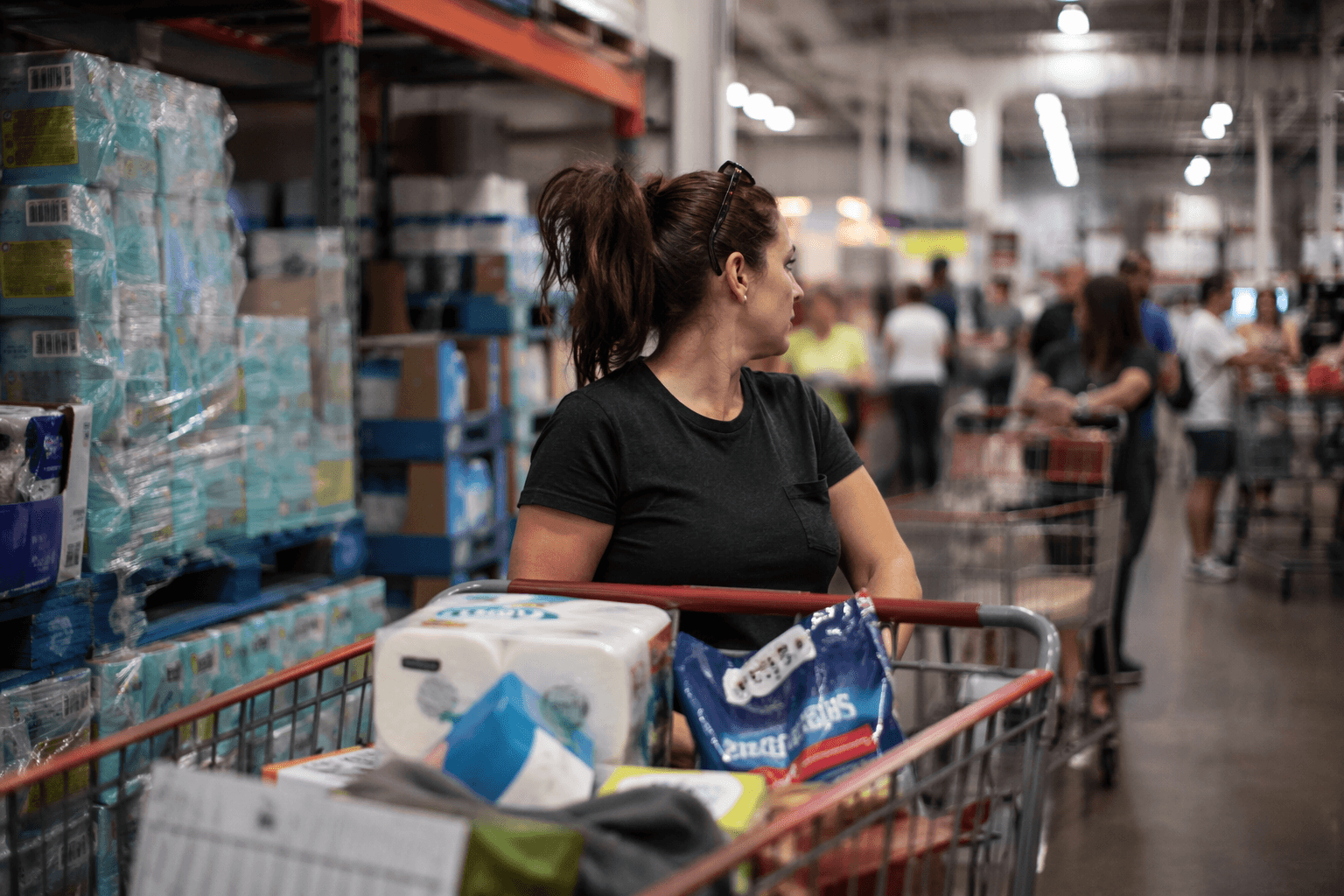
Costco's UK food court shows how local menus shape labor and costs
A London jacket potato is more than a menu quirk. It shows how Costco tunes food courts to local tastes, labor, and cost, not just flavor.

At Costco’s UK food court, a £2.99 jacket potato comes with toppings such as baked beans, cheese, tuna, and beef chili. The food court is part of the warehouse machine, not a separate side hustle. A baked potato makes sense in a market where it is familiar, cheap, and easy to recognize, but it also changes prep, holding, and line speed for the crew serving it.
The food court sits inside Costco’s operating model
Costco’s annual report groups the food court with the rest of the warehouse’s ancillary businesses, which is the right way to think about it. The company’s core operating language is efficiency, volume, and the most productive items, so every menu choice has to clear the same bar as everything else that moves through the building.
A food court is not just a perk for members waiting on a slice of pizza or a hot dog. It is a small, high-traffic test of how well Costco can move product, keep labor tight, and avoid slowing the rest of the warehouse. If an item adds too much complexity, it stops being a cheap add-on and starts becoming a drag on the line.
Why the UK menu is different
Costco began operations in Seattle in 1983 and came to the United Kingdom in 1993. UK company records show Costco Wholesale UK Limited was incorporated on August 6, 1991, and Costco Limited was incorporated on December 23, 1992, while the first warehouse was in West Thurrock, Essex, after a long planning and legal process. That timeline matters because Costco did not simply drop an American template into Britain and hope it fit.

The UK food court reflects a different set of customer habits and supply realities. The jacket potato feels ordinary in the British market rather than imported for novelty’s sake. Other UK menu items, including double chicken filet sandwiches, cottage pies, BBQ chicken pizza, gelato, and caramel fudge sundaes, show a menu shaped for local tastes rather than copied from a U.S. warehouse line item by line item.
Costco is not just experimenting with flavor combinations. It is adjusting what can be sourced, stored, heated, topped, and handed over quickly in a specific market, with a specific customer base, inside a specific warehouse rhythm.
The jacket potato exposes the labor tradeoff
The most useful detail in the London item is the worker’s complaint that it is inconvenient to prepare. A jacket potato may look simple to members, but in practice it can create more steps, more handling, and more friction at the counter than a more standardized item.
For employees, that is the core tension in any local menu decision. Members want something that feels familiar and filling, while the crew needs something that can be produced without tying up space, hands, and attention during a rush. The jacket potato works only if the food court can keep the throughput high enough that the item does not become a bottleneck.
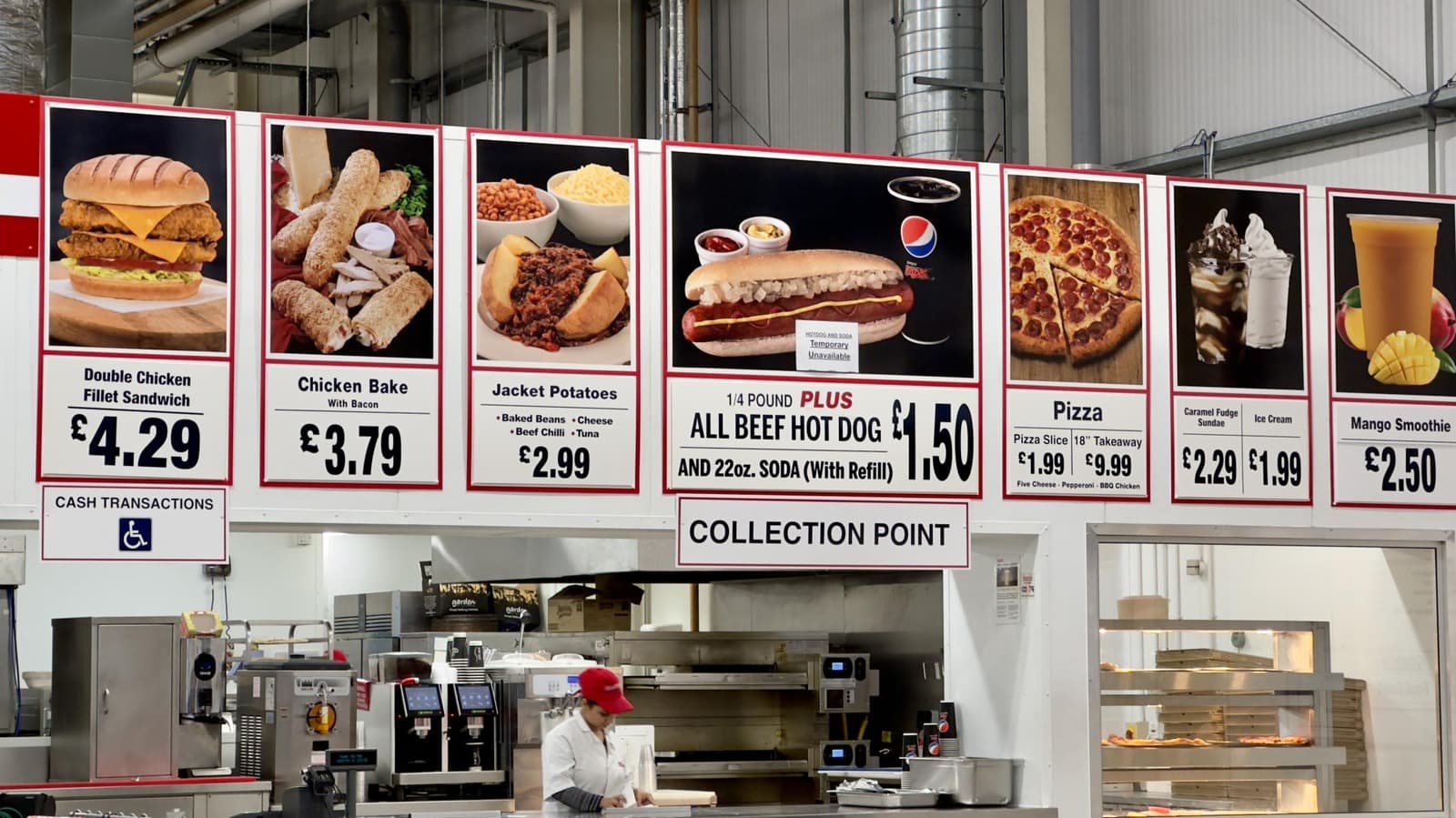
The reaction from shoppers is mixed for the same reason. Some praise the potato as cheap and filling, while others complain about the texture and execution, saying the potatoes can be too hard and the butter and cheese do not come together well.
The $1.50 hot dog still explains the bigger picture
The most famous Costco food court item still frames all of this. The hot dog and soda combo, introduced in the mid-1980s and held at $1.50 for decades, became a symbol of Costco’s low-price identity. Former CEO Craig Jelinek has said Jim Sinegal reacted strongly to any suggestion that the price should go up, which tells you how central the combo was to the company’s sense of itself.
What workers can take from the UK example
For workers, the lesson is not about potatoes. It is about how much of Costco’s real strategy lives in the unglamorous details, where storage, prep, labor, and customer expectation all meet.
This article was produced by Prism’s automated news system from verified source data, official records, and press releases, then run through automated quality and moderation checks before publishing. The system is built and supervised by the people who set the standards it runs under. Read our full AI policy.
Did this article answer your question?