Instacart workaround highlights Costco's growing digital order workload
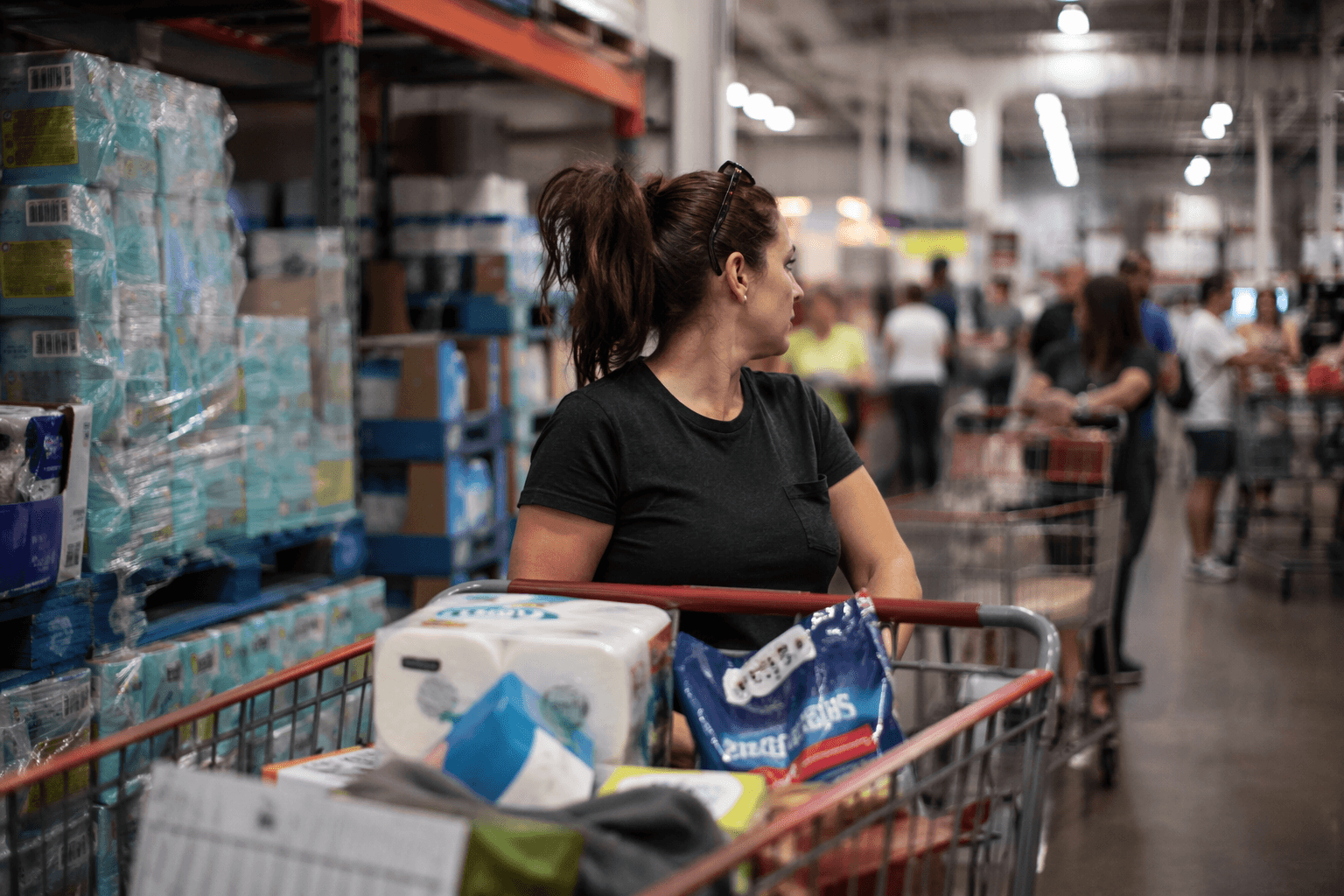
The Costco membership workaround is really a warehouse story: digital orders still have to be picked, staged and serviced by store crews.
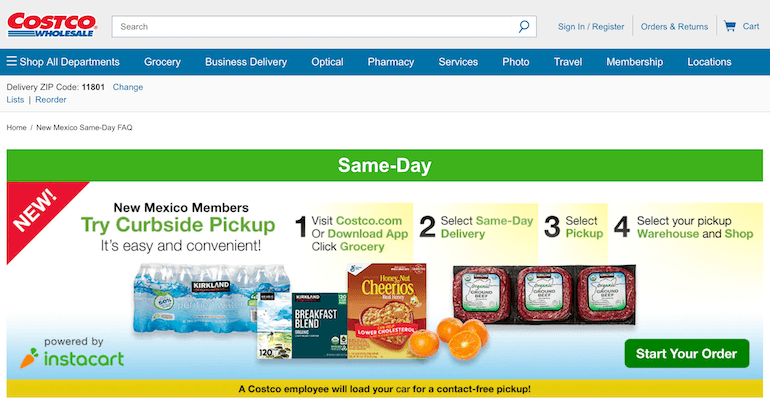
A shortcut that lets shoppers buy Costco through Instacart without a standard warehouse membership is more than a consumer hack. For employees, it is another sign that digital demand is not sitting outside the business, it is being pushed into the warehouse, where someone still has to pull product, answer substitution questions, keep inventory aligned and keep the front end moving.
The workaround still lands on the floor
Costco’s own Instacart product page makes the labor connection plain enough. It advertises same-day delivery from Costco items through Instacart for orders over $35, with delivery as fast as one hour, and it notes that Instacart+ membership does not auto-renew. Instacart’s Help Center also says Costco members can get a reduced annual Instacart+ membership for $79, and new Instacart+ users who are Costco members can get two free months. The same help page says the Costco offer is not available on Groceries Powered by Instacart.
That matters because the consumer-facing trick is built on a standing digital partnership, not a one-off loophole. Once a shopper taps into that path, the work does not disappear into an app. It shows up in picks, staging, stock rotation, pricing accuracy and the kind of member-service follow-up that keeps both warehouse crews and supervisors busy.
Why the sales numbers matter to workers
Costco’s May 28 operating results put a hard number on the pressure. Third-quarter fiscal 2026 net sales reached $69.15 billion, up 11.6% from a year earlier. Digitally enabled comparable sales rose 21.5% in the quarter and 21.6% over the first 36 weeks of the fiscal year, well ahead of total company comparable sales growth of 9.8% for the quarter and 7.9% year to date.
For a warehouse team, that spread is the real story. It means digital demand is outpacing the company’s overall pace, so the extra work is not a side issue. It reaches stockers who have to keep online-favorite items on hand, front-end assistants who field price and membership questions, and managers who have to reconcile what the app says is available with what the building can actually support.
The company said it operated 931 warehouses as of that report, alongside e-commerce sites in the U.S., Canada, the U.K., Mexico, Korea, Taiwan, Japan, Australia and China. That footprint makes the digital workload a chainwide operational issue, not a niche for a few fulfillment teams. When orders originate outside the building but still depend on the building’s inventory, labor planning gets harder, not easier.
Digital sales are bigger than e-commerce alone
Costco’s fiscal 2025 annual report adds the most important context for anyone trying to understand how much of the business now runs through screens. E-commerce represented about 7% of total net sales in 2025, while digitally enabled sales represented about 10% of total net sales. That gap is important because it shows digital influence is broader than pure online checkout.
In practice, digitally enabled sales include demand that is sparked, managed or completed through Costco’s digital channels even when the final handoff happens in a warehouse or through a delivery partner. For workers, that means the job is no longer just about the customers in the aisle or the line at the register. Digital demand affects what gets replenished, what gets substituted, what gets returned and how much time gets spent untangling an order that started far from the sales floor.
What this means for each department
The workflow changes look different depending on where you work, but the pressure is connected.
- Stockers feel it when a product becomes popular online and starts disappearing faster than the normal sales pattern predicts. If inventory is off by even a little, digital orders can turn into out-of-stocks, substitutions or member complaints.
- Front-end assistants feel it when members ask about prices, membership rules or why an item seems available on an app but not on the shelf. The question often sounds simple, but it is really about connecting digital demand to warehouse reality.
- Forklift operators and inventory teams feel it when backroom accuracy becomes a customer-facing issue. If pallets are not where they need to be, the order path slows down before a shopper ever sees the result.
- Meat and bakery employees feel it when same-day demand compresses the day’s work into tighter windows. A digital order can change the rhythm of prep, replenishment and handoff even when the sales floor looks normal.
- Optical and specialty departments can feel it in the form of member-service follow-up, inventory checks and coordination with the front end when an order touches a product line that is not handled like paper towels or cereal.
For supervisors and warehouse managers, the lesson is even broader: digital orders can still change labor needs, traffic patterns and returns handling inside the building. A member may never step through the entrance, but the warehouse still absorbs the work.
Why Costco’s model makes this especially important
Costco’s appeal has always rested on a simple bargain: members accept the warehouse format in exchange for value, speed and a limited, tightly managed assortment. Digital ordering does not replace that model. It stretches it. The company can sell through an app, through Instacart, through warehouse pickup and through its own sites, but every one of those channels depends on the same operational backbone.
That is why the Instacart workaround should be read less as a clever shopping tip and more as a labor signal. Costco is not just managing foot traffic anymore. It is managing demand that starts in delivery apps, moves through digital pricing and membership systems, and ends with a worker in the warehouse making the order real.
For employees, that means the digital side of the business is not separate from warehouse life. It is warehouse life, just with a different entry point.
This article was produced by Prism’s automated news system from verified source data, official records, and press releases, then run through automated quality and moderation checks before publishing. The system is built and supervised by the people who set the standards it runs under. Read our full AI policy.
Did this article answer your question?