Rhode Island passes warehouse quota law, signaling pressure on Costco workers
Rhode Island’s new quota law would force warehouse employers to spell out production standards, a change that could reach Costco’s scan rates, unload targets and discipline pressure.
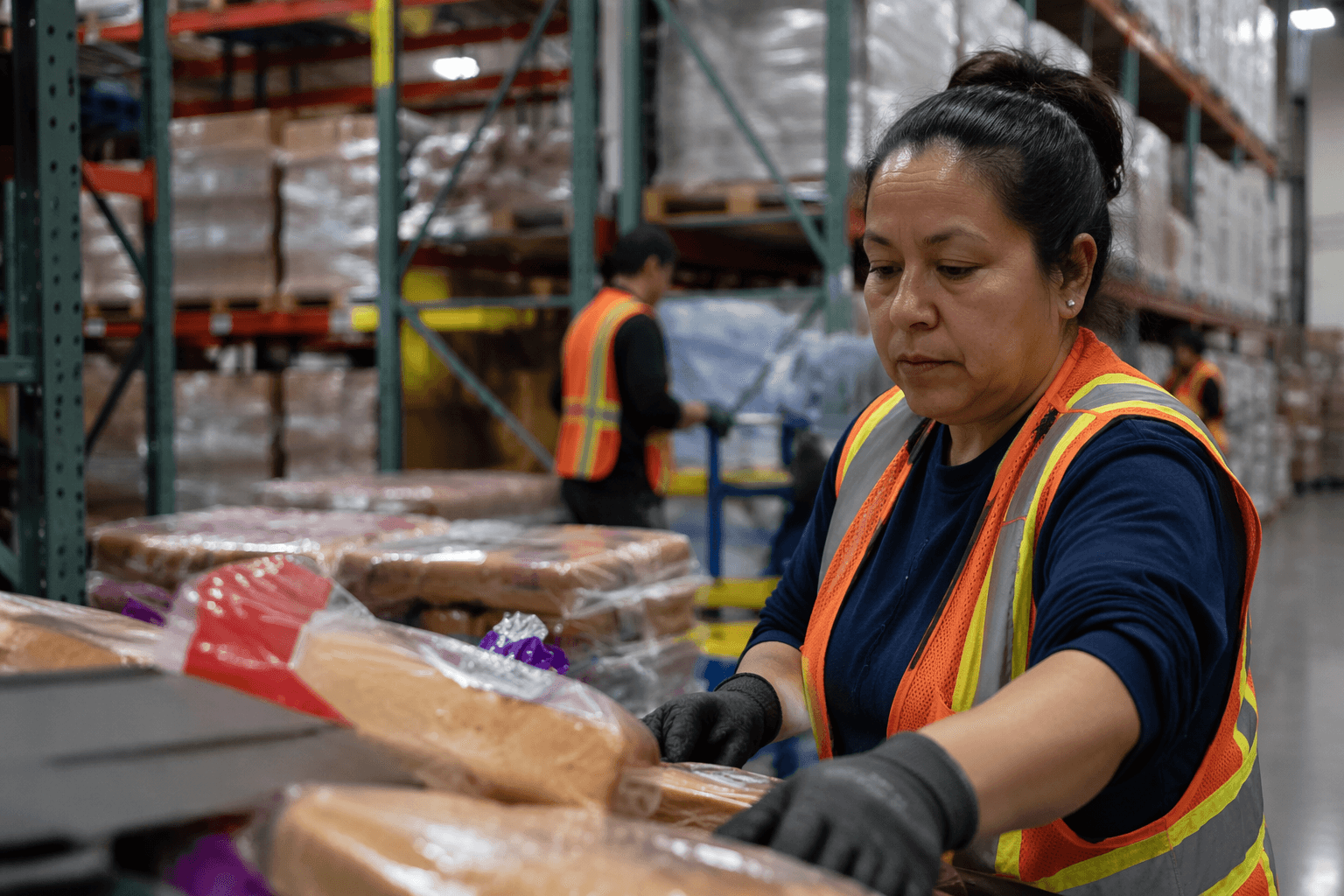
Rhode Island lawmakers approved a warehouse quota bill that would require employers to put production standards in writing, a direct challenge to the hidden targets that shape life on warehouse floors. For Costco stockers, forklift drivers, receivers and managers, the new rule matters because it turns an invisible yardstick into something workers can actually see before discipline lands.
The Rhode Island General Assembly passed S2504A/H7364A, the Warehouse Worker Protection Act, on June 10 with a 58-8 vote in the House and a 35-3 vote in the Senate. The measure would require employers to give warehouse distribution-center workers a written description of any quota that applies to them, along with any adverse employment action that could follow if they miss it. Teamsters Local 251 said Governor Dan McKee had already said he would sign the bill.
The Teamsters framed the law as a response to workers going to work under strain or exhaustion while being judged against an “unknown production standard.” That language lands in the same territory Costco workers already know well: scan rates, unload speed, break pressure, injury risk and the possibility that a supervisor can say performance is off without ever showing the number being used.
Rhode Island would become the seventh state to enact a warehouse worker quota-protection law, following California, Minnesota, New York, Oregon, Washington and Connecticut. California’s law took effect on January 1, 2022. Washington’s standards took effect on July 1, 2024 and require written quota descriptions, notice of possible discipline and disclosure of any incentives or bonus programs tied to quota performance. Washington’s law applies to employers with more than 100 workers at a single warehouse distribution center or more than 1,000 workers statewide, while New York’s law applies at the same size thresholds.
That state-by-state spread matters for Costco because the company sits inside the same high-volume logistics world that lawmakers are now examining more closely. Even where a quota law does not directly apply, the policy trend is clear: regulators are pushing for transparency around speed targets, monitoring and the consequences of falling short.
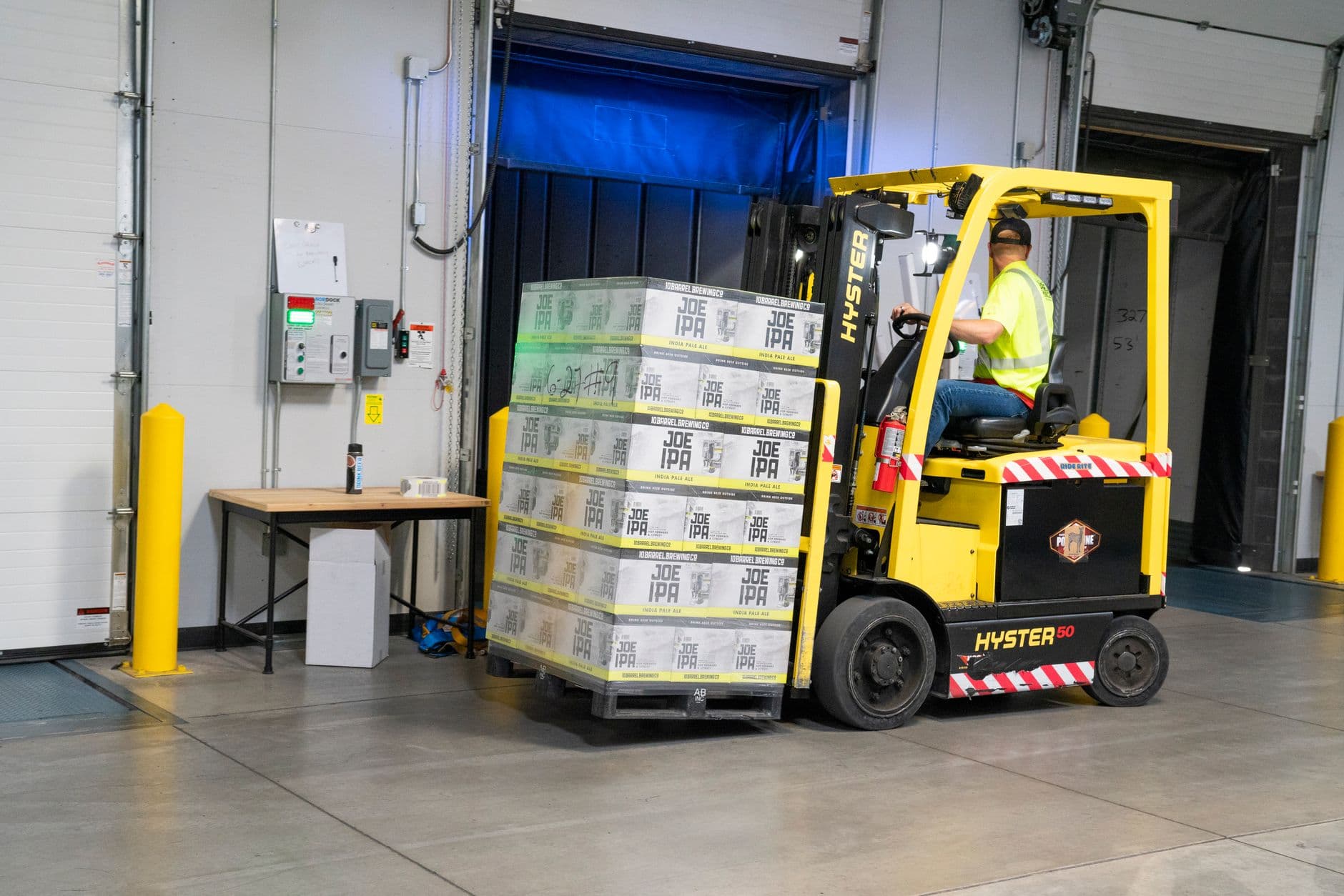
The Rhode Island bill also arrives as Costco faces its own labor pressure. The Teamsters filed unfair labor practice charges against Costco in December 2024, and the union said the company’s national master agreement covered about 18,000 workers before expiring on January 31, 2025. In other words, the quota fight is not separate from Costco’s broader labor picture. It is part of the same argument over how much control management can exert, how much workers are told up front, and how much strain gets built into the job before anyone calls it a quota.
This article was produced by Prism’s automated news system from verified source data, official records, and press releases, then run through automated quality and moderation checks before publishing. The system is built and supervised by the people who set the standards it runs under. Read our full AI policy.
Did this article answer your question?