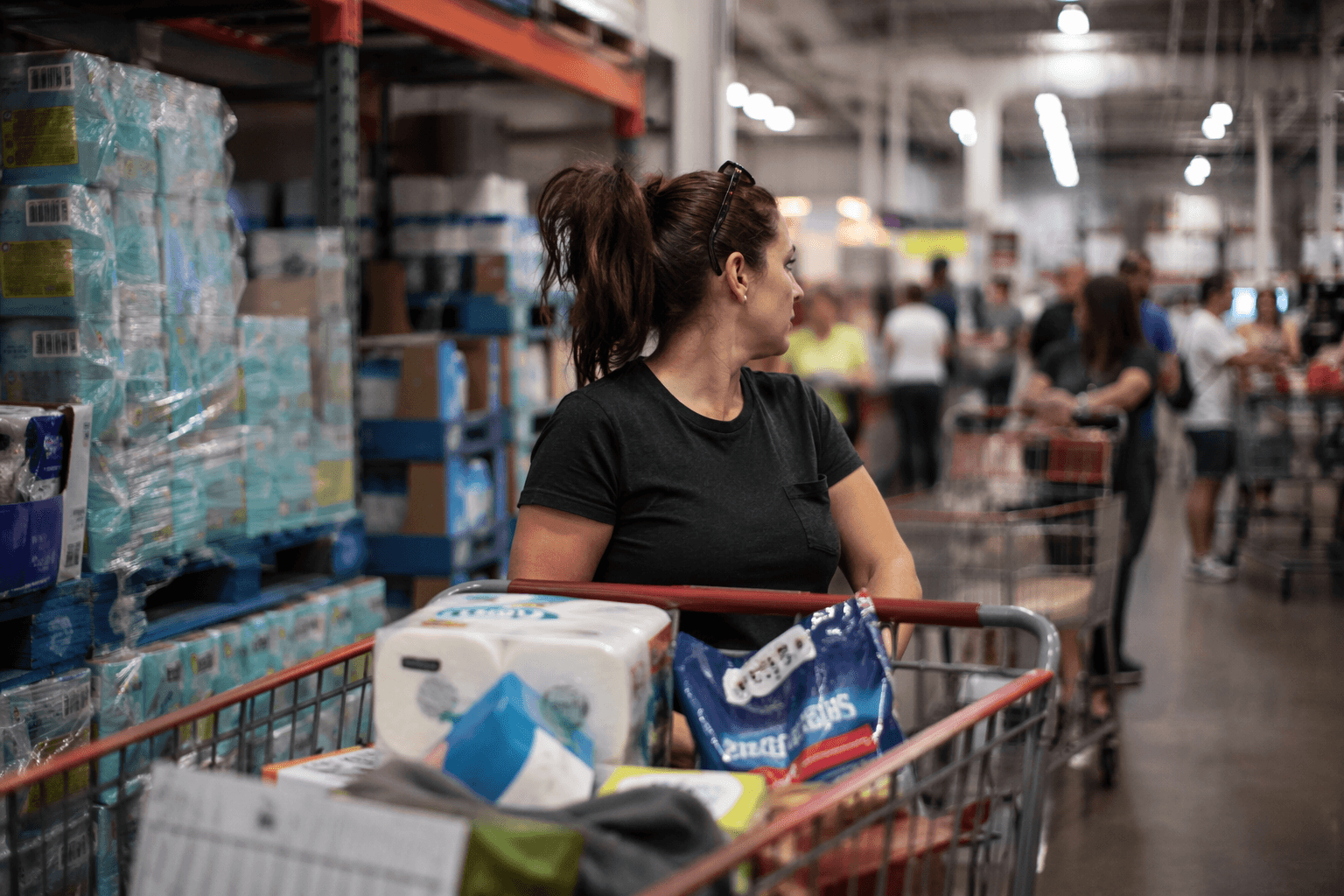
Rhode Island self-checkout law could affect Costco stores nationwide
Rhode Island made self-checkout a staffing issue, not just a tech choice. The new law limits kiosk counts, requires dedicated monitoring, and could shape Costco front-end scheduling beyond the state.
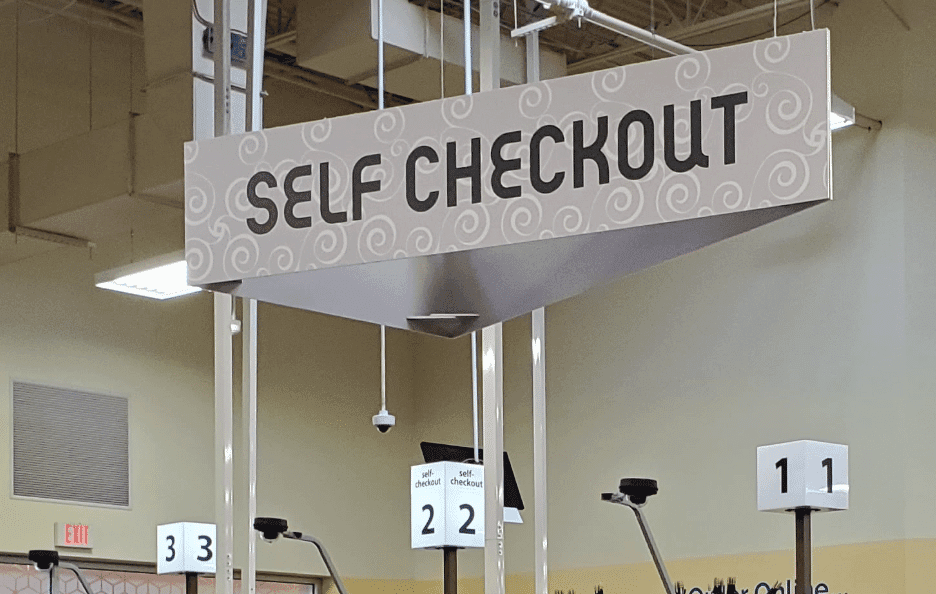
Rhode Island became the first state to put statewide limits on grocery self-checkout, and the new rules reach straight into how front-end shifts get built. The Restrictions on Self-Service Checkout Stations Act, signed by Gov. Dan McKee on June 18, requires one staffed manual lane for every three self-service stations, at least one ADA-compliant manual checkout, and a worker assigned to monitor kiosks must be relieved of other duties while doing it.
That last requirement is the part warehouse managers will recognize immediately. In a Costco front end, one employee often has to juggle member questions, scan problems, age checks, payment issues, and traffic flow all at once. Rhode Island’s law pushes in the opposite direction, treating self-checkout supervision as a dedicated job instead of an add-on task, with exceptions only for off-peak hours before 8:00 a.m. and after 8:00 p.m.

The bill, sponsored by Senate President Valarie J. Lawson and Rep. Megan L. Cotter, passed the General Assembly on June 11, 2026. UFCW Local 328 backed the measure and said retail theft cost Rhode Island $17.1 million in lost sales taxes in 2022. That framing matters inside Costco because self-checkout has never just been about speed. It is also about who absorbs the burden when a member needs help, when merchandise does not scan, or when loss-prevention concerns land on the front end.
Costco has no warehouses in Rhode Island, so the immediate operational hit there is limited. Providence-area shoppers have had to go to Sharon, Massachusetts, or East Lyme, Connecticut, for a Costco run, but the precedent can travel faster than the stores do. If more states follow Rhode Island’s model, self-checkout will become a compliance question for Costco in markets where grocery volume is large enough to trigger similar rules, especially in warehouses that carry enough food sales to look more like grocery operations to regulators.
That is the broader signal for hourly workers and managers alike: self-checkout is no longer just a layout decision. In Rhode Island, it has become a staffing ratio, a job-description issue, and a test of how much responsibility one employee can reasonably carry while keeping the line moving.
This article was produced by Prism’s automated news system from verified source data, official records, and press releases, then run through automated quality and moderation checks before publishing. The system is built and supervised by the people who set the standards it runs under. Read our full AI policy.
Did this article answer your question?