BLS data show benefits make up big share of retail compensation
BLS says private-industry benefits average $14.01 an hour, a reminder that Dollar General workers should weigh health, PTO and retirement, not wages alone.
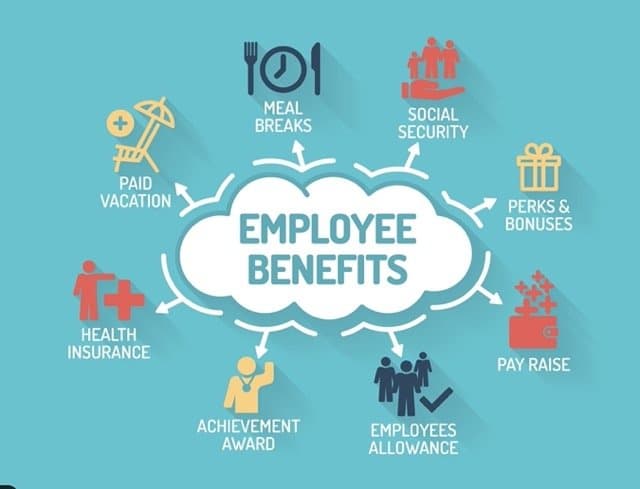
The latest federal compensation data put a hard number on something Dollar General workers talk about every day: pay is only part of the package. In March 2026, private-industry compensation averaged $46.60 an hour, including $32.60 in wages and salaries and $14.01 in benefits, with wages making up 69.9 percent of total compensation. For store associates and managers, that split matters because a paycheck can look one way while the real value of a job is hidden in coverage, time off and retirement access.
Dollar General’s own 2026 annual report says its benefits may include medical, prescription, telemedicine, dental and vision plans, plus flexible spending accounts. But the company also makes clear that eligibility and benefit levels vary by full-time or part-time status, compensation level, hire date and length of service. That means two people working under the same roof can be on very different packages, and the fine print can matter as much as the hourly rate on the schedule board.
The company’s 2025 annual report shows that management is watching the same pressures workers feel on the floor. Dollar General said it monitors applicant flow, staffing levels and turnover, especially at the store-manager level, a sign that pay and benefits are tied directly to retention. The company also says it uses compensation and benefits as part of its broader human-capital strategy, which is the corporate way of saying the labor problem is not just about hiring, but about keeping people in place.
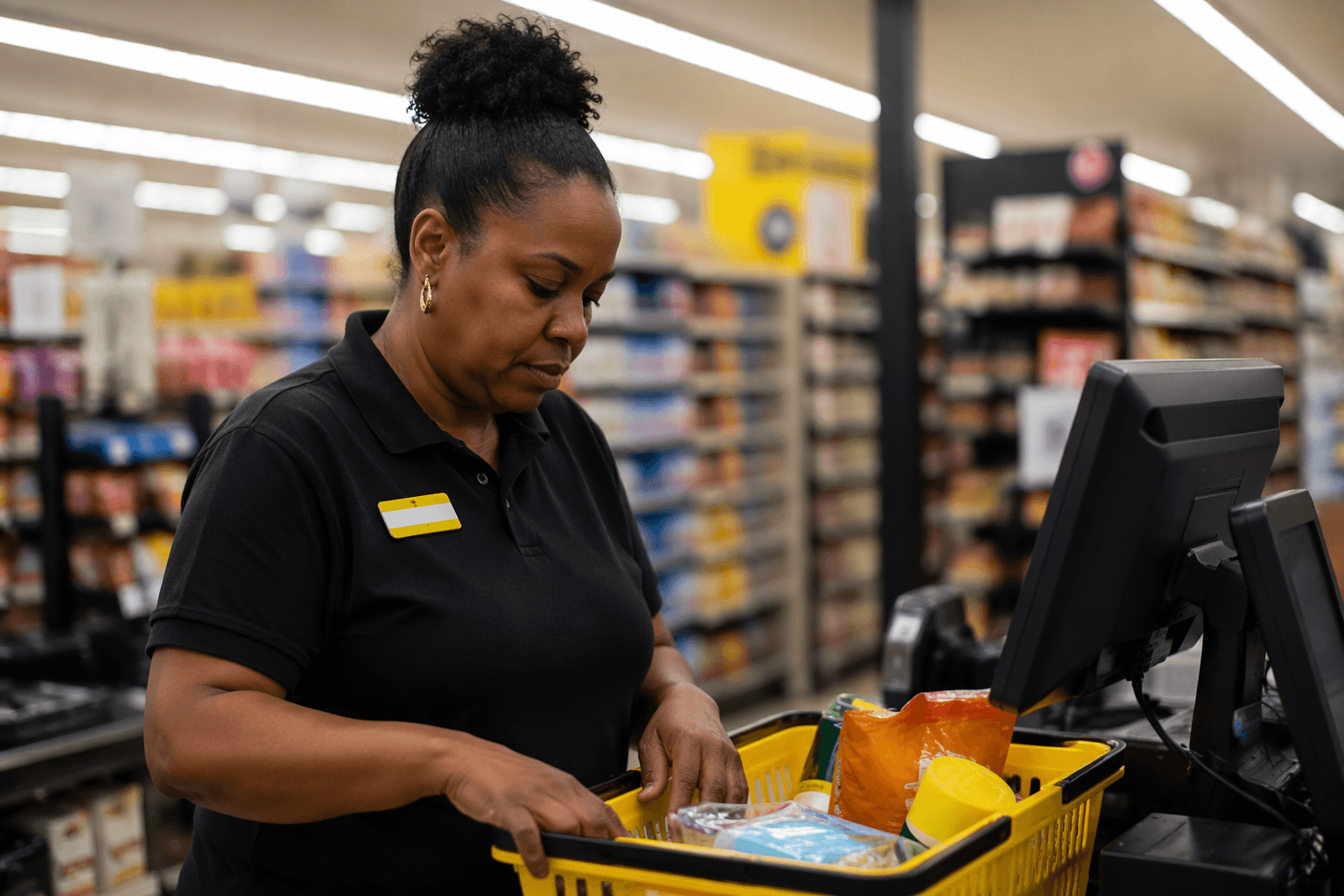
That conversation sits against a long record of safety complaints and enforcement. On July 11, 2024, the Occupational Safety and Health Administration announced a corporate-wide settlement with Dollar General that carried $12 million in penalties and required safety changes in stores nationwide. OSHA said the agreement called for additional safety managers, lower inventory, improved stocking efficiency, better training and a safety committee. For employees working short-handed shifts or moving freight in cramped aisles, those changes speak directly to daily risk on the job.
Worker organizing has kept those issues in view. Verité News reported June 5, 2025, that David Williams, an associate stocker in New Orleans, had been pushing for better pay and safer conditions since 2022. Louisiana dollar-store workers also rallied in New Orleans on Dec. 10, 2022, for higher wages and safe workplaces. Dollar General responded that it believes employees are best served through open, direct communication and does not think a third party is in employees’ best interests.

That push and pull is why the BLS data are useful as a benchmark rather than a headline about the economy. Dollar General operates about 20,000 stores nationwide and often serves communities with few other shopping options, which gives its pay and benefits outsized importance. For workers, the real comparison is not just wage versus wage, but wage versus the full value of coverage, time off and the ability to stay safe and stay employed.
This article was produced by Prism’s automated news system from verified source data, official records, and press releases, then run through automated quality and moderation checks before publishing. The system is built and supervised by the people who set the standards it runs under. Read our full AI policy.
Did this article answer your question?