BLS report underscores Dollar General’s reliance on foreign-born workers
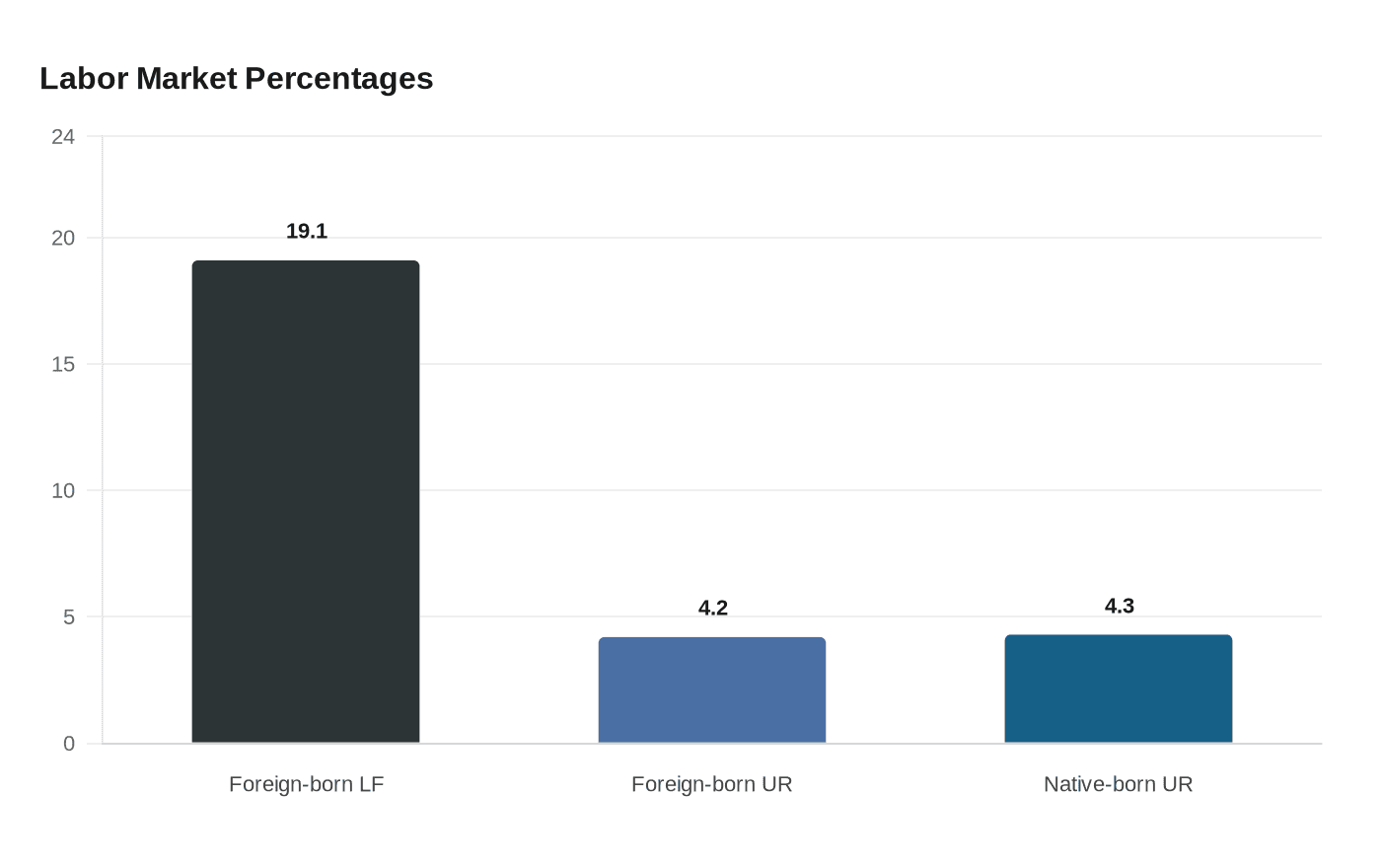
Foreign-born workers made up 19.1% of the U.S. labor force in 2025, a reminder that Dollar General’s staffing base is wider than one local applicant pool.
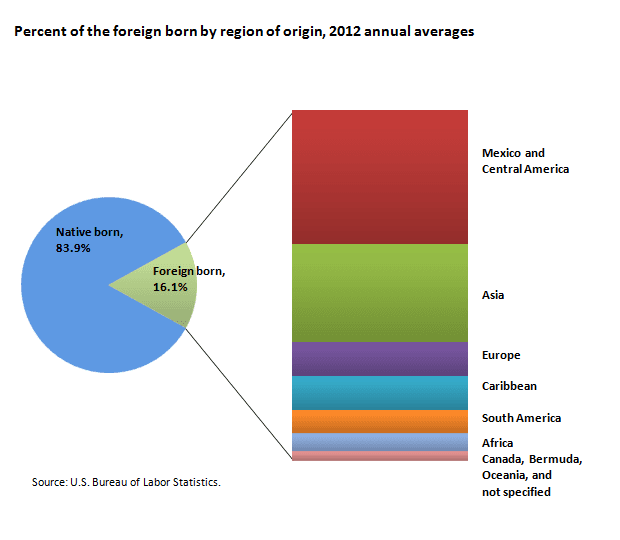
The latest labor data showed just how much Dollar General’s hiring depends on workers beyond the usual store-level pipeline. Foreign-born workers accounted for 19.1% of the U.S. civilian labor force in 2025, and their unemployment rate held at 4.2%, slightly below the 4.3% rate for native-born workers.
For Dollar General, that matters because staffing pressure is rarely solved by pay alone. In stores and distribution centers, the people who keep shifts covered are often immigrant workers, seasonal workers, and employees balancing more than one job. When that labor pool is available, it can keep truck days, resets and weekend traffic moving. When it tightens, the strain lands on the people already on the clock.
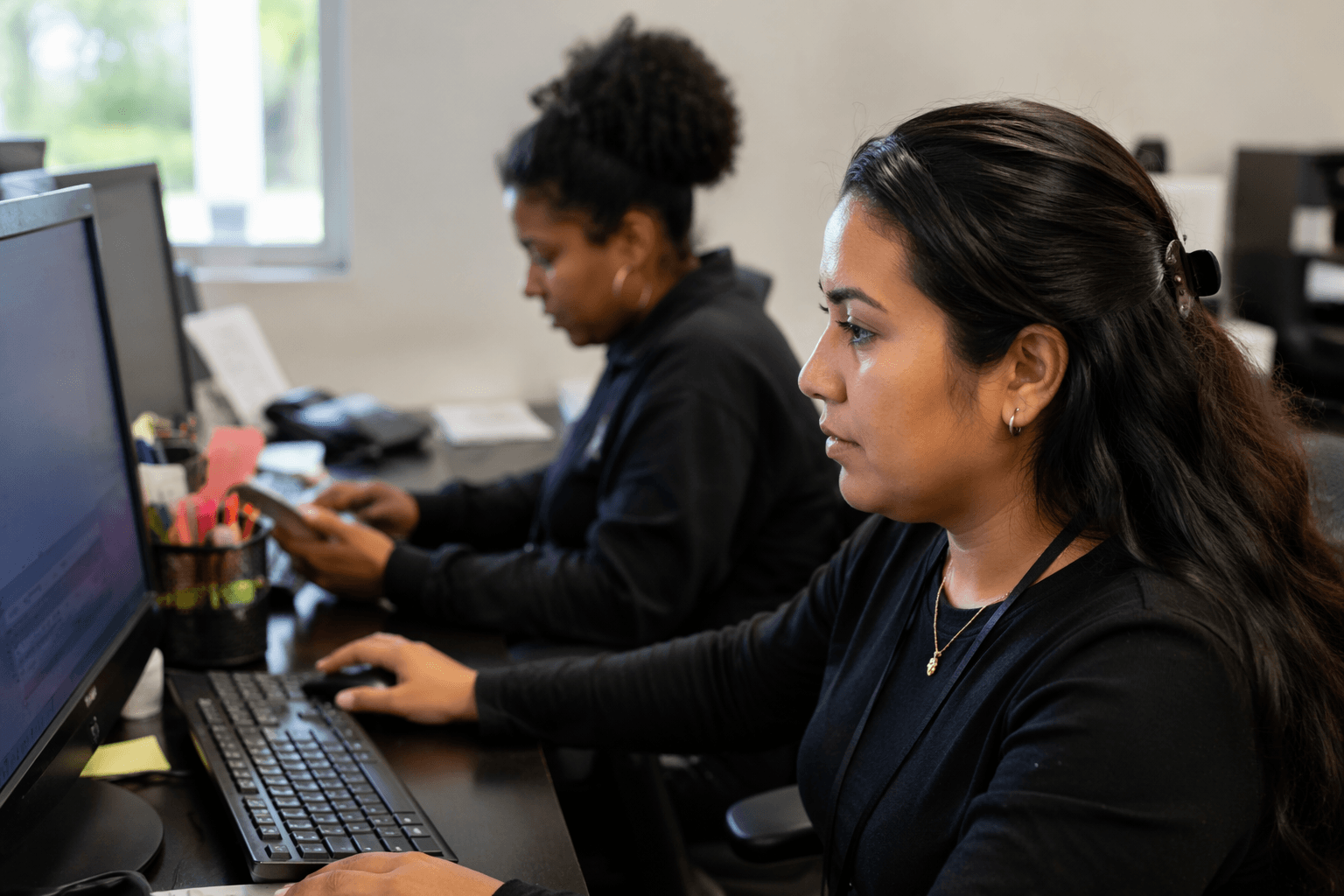
That is where the risk becomes visible on the floor. A store that cannot recruit or keep enough workers does not just post fewer openings. It leaves current associates covering register, freight and recovery with less backup, and it pushes district managers into harder scheduling decisions. One missing part-time hire can mean longer shifts for full-timers, more weekend gaps and less room to train new people properly before they are thrown into the rush.
The Bureau of Labor Statistics report also pointed to a broader reality that Dollar General workers already know: a diverse workforce needs onboarding that is fast, respectful and easy to understand. If schedules, training materials and manager communication are not accessible to workers with different backgrounds and language needs, turnover rises and the store spends more time replacing people than developing them. That can slow promotions, increase overtime pressure and make it harder to build a stable crew in stores that are already running lean.
The concern is especially sharp in communities where Dollar General is one of the few employers with steady hours. In those markets, the company’s ability to reach foreign-born workers and other flexible labor pools can determine whether a store is adequately staffed or stuck in survival mode. The May 19 report did not solve Dollar General’s labor problems, but it underscored the real one: workforce strategy is local, and if the local labor mix shifts, the consequences show up fast at the register, on the sales floor and in the schedule.
This article was produced by Prism’s automated news system from verified source data, official records, and press releases, then run through automated quality and moderation checks before publishing. The system is built and supervised by the people who set the standards it runs under. Read our full AI policy.
Did this article answer your question?