Dollar General 401(k) plan gives workers a key retirement benefit
Dollar General’s 401(k) is one of the few benefits that can follow you from store to store. The biggest mistake is treating it like paperwork instead of an automatic paycheck decision.
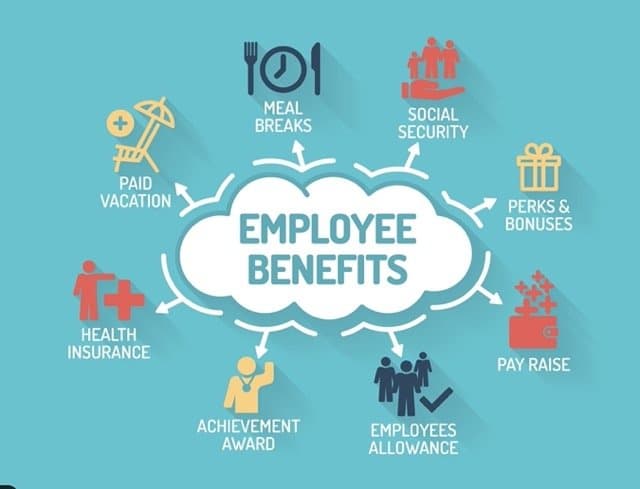
Dollar General’s 401(k) is a real foothold in a job that can otherwise feel short-term. The company lists the Dollar General Corp 401(k) Savings and Retirement Plan across retail, distribution, fleet, and corporate roles, which means retirement saving is built into the benefits package for a huge share of the workforce. The catch is that the plan only helps if you actually use it, keep track of it, and understand the rules before a job change or cash-out temptation gets in the way.
What the plan is, and who can use it
Dollar General’s careers pages include the 401(k) Savings & Retirement Plan as a standard benefit, alongside tuition support, employee discounts, identity theft protection, and legal-plan access. The company also makes clear that those pages are only highlights and that individual eligibility requirements may apply, so the benefits summary is not the same thing as the full plan document. That matters in a company with more than 19,000 stores and more than 200,000 employees, because benefit access can vary by role, location, and status.
The broader context is worth keeping in mind. Dollar General was founded in 1939, and its investor materials say the company’s mission is Serving Others. In practice, that mission runs through a giant hourly workforce spread across stores, distribution centers, fleet operations, and offices in Goodlettsville, Tennessee. For employees who may move between jobs over time, the 401(k) is one of the few benefits that can keep growing after a shift ends.
Why a 401(k) matters at Dollar General
A 401(k) works best when you treat it like a regular payroll decision, not a once-a-year administrative task. Even a small contribution can build a habit, and that habit matters in retail, where schedules change, hours fluctuate, and many workers do not stay in one role forever. The biggest advantage is consistency: every payday is another chance to save before the money gets absorbed by bills, gas, child care, or the next emergency.
That is especially relevant at a company as large and layered as Dollar General. People often move from stores to distribution centers, from part-time to full-time, or from one employer to another altogether. A retirement account can travel with you, but only if you keep track of it.
What to check before you enroll or change contributions
The first thing to do is find your login and make sure your contact information is current. Capitalize’s plan lookup page identifies the plan as the Dollar General Corp 401(K) Savings and Retirement Plan and offers guidance on how to locate and sign in to the account. If you have never looked at the plan since onboarding, now is the time to learn where it lives, how your statements are delivered, and what to do if you forget your credentials.
Before you set a contribution level, verify how payroll deductions work and how much you can comfortably afford to save each pay period. If you can only start small, that is still better than waiting for a perfect moment that never arrives. The important move is to make the savings automatic so the decision happens with each paycheck instead of by accident at tax time.
- whether you are eligible yet
- when enrollment takes effect after you sign up
- whether Dollar General offers an employer match in your situation
- how vesting works, if a match exists
- what happens to contributions if your hours or job status change
There are a few details you should never guess about:
Dollar General’s careers pages do not spell out match percentages or vesting rules, so those details belong in the plan documents or with the plan administrator. That is not a minor technicality. A worker who assumes a match exists, or assumes it vests immediately, can make decisions that cost real money.
How to think about the company match
Independent plan data from MyPlanIQ estimates that the Dollar General 401(k) plan had total employer matching contributions of $37,935,922 in 2024, with an average employer match of about $168 per employee. That is not an official company statement, so it should be treated as an external estimate rather than a guarantee of what any one employee will receive. Even so, it is a useful reminder that the match can be meaningful at scale, especially in a company with a massive hourly workforce.
For workers, the practical lesson is simple: if there is a match available in your plan, not contributing enough to capture it is leaving money behind. If there is no match, the account can still be worth using because tax treatment and long-term compounding still matter. Either way, the account should be part of your regular pay setup, not a forgotten benefit line.
If you leave Dollar General, do not ignore the account
A lot of workers lose track of old 401(k) accounts when they change jobs, move between stores, or leave retail for something else. Capitalize notes that departing employees may want to keep the account organized, roll it into an IRA, or move it into a new employer plan later. That is the right mindset: do not let an old job’s retirement money disappear into paperwork, especially if you have worked across multiple roles or locations over time.
The biggest mistake is cashing out impulsively. That can trigger taxes and penalties, and it can wipe out years of saving momentum in one afternoon. A better approach is to compare your choices calmly: leave it in the old plan if that is allowed, roll it to an IRA, or move it into a new employer plan if the new one is solid.
A simple checklist that can save you money
A Dollar General worker does not need a finance degree to use the plan well. You need a few habits and a little discipline.
- Sign in early and learn where the account is stored
- Keep your phone, email, and mailing address current
- Review each paycheck to confirm the deduction is happening
- Ask whether you qualify for a match and whether it has a vesting schedule
- Save the plan documents before you change jobs
- Avoid cashing out unless you have compared rollover options first
That last step may be the most important one. The 401(k) is one of the rare benefits that can keep working for you even when the schedule changes, the store changes, or the job changes. At a company built on high volume and constant movement, that kind of long-term stability is worth protecting.
This article was produced by Prism’s automated news system from verified source data, official records, and press releases, then run through automated quality and moderation checks before publishing. The system is built and supervised by the people who set the standards it runs under. Read our full AI policy.
Did this article answer your question?